Duplicate Images in City Records Are Costing New Yorkers Money and Time — Here's Why It Matters
A sprawling problem inside municipal databases is delaying housing permits, property transactions, and benefits claims across all five boroughs.
A sprawling problem inside municipal databases is delaying housing permits, property transactions, and benefits claims across all five boroughs.
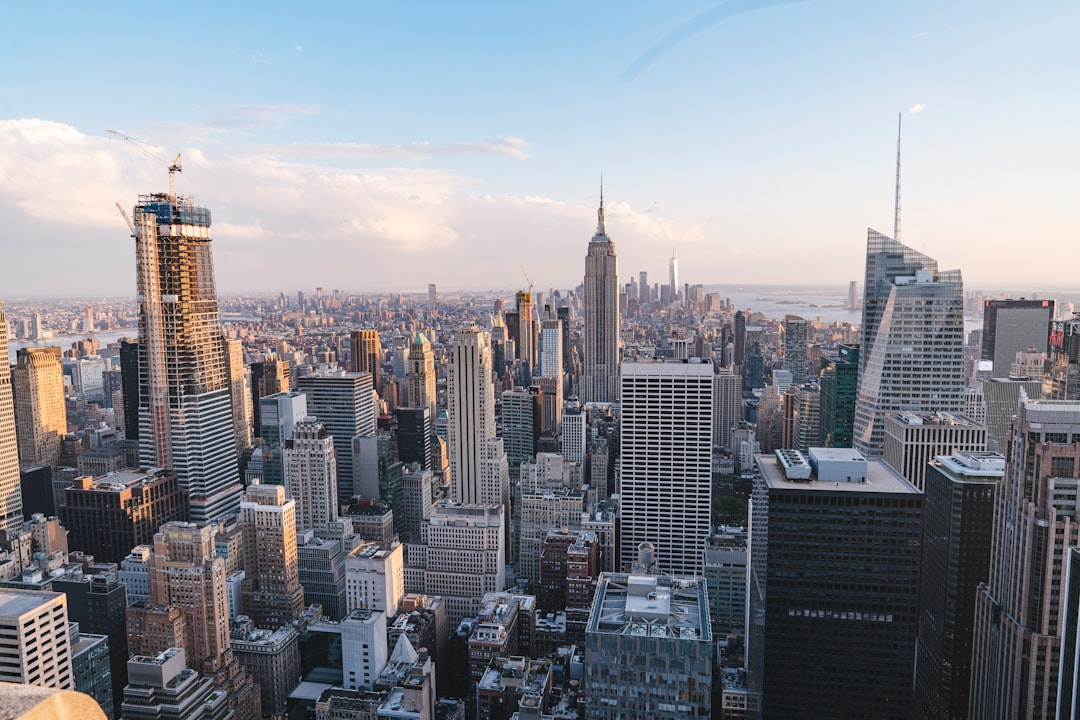
Thousands of duplicate digital images embedded in New York City's property and benefits records databases are creating cascading delays for residents trying to close on homes, obtain construction permits, and access social services — a problem that city technology officials have been working to address since at least January 2026, when the Department of Citywide Administrative Services flagged the issue in an internal audit review.
The problem sounds technical. The consequences are not. When a duplicate image — a scanned deed, a photo ID, an inspection photograph — attaches itself to the wrong file in a city database, clerks cannot easily verify which record is authoritative. That uncertainty freezes transactions. In a city where housing stock is already critically tight and where a single missed permit can idle a construction crew for weeks, the backlog compounds quickly.
The Brooklyn Department of Buildings office at 210 Joralemon Street in Downtown Brooklyn has seen processing times for certain permit applications stretch beyond 30 business days in the first half of 2026, according to city tracking data published on the NYC Open Data portal. The Human Resources Administration's office on Atlantic Avenue in East New York, which handles Medicaid and cash assistance documentation, has also reported a spike in returned applications linked to imaging errors — cases where a scanned document appears duplicated across multiple client files, triggering a manual review requirement.
The New York City Housing Authority, which manages roughly 177,000 apartments across 335 developments, relies on document imaging systems that are decades old in parts of its portfolio. NYCHA's technology modernization plan, outlined in its 2025 Strategic Plan update, specifically identified image file management as a vulnerability. Duplicate records slow down the annual recertification process that tenants must complete to maintain eligibility for their units — a process affecting hundreds of thousands of New Yorkers each year.
The issue also ripples through the work of nonprofit legal services providers. The Legal Aid Society, which operates offices including its Manhattan headquarters at 40 Worth Street, has noted in public testimony before the City Council that documentation errors in city systems can derail housing court proceedings, particularly for tenants fighting eviction who need city-held records to support their cases.
The Adams administration's Office of Technology and Innovation has allocated funds within the fiscal year 2026 budget to upgrade image deduplication software across three major agency systems. The city's adopted FY2026 budget, released in June 2025, included a broader $130 million technology modernization line item for citywide IT infrastructure, though the specific allocation for imaging remediation has not been separately itemized in publicly available documents.
The MTA, which maintains its own parallel records infrastructure for capital project documentation related to the ongoing subway renovation program, confirmed in its 2025 Capital Program disclosure that image management upgrades are part of a wider $500 million IT investment through 2029. Incorrect or duplicated engineering inspection images have, in the past, triggered re-inspection requirements at stations including ones along the A/C/E line in Lower Manhattan.
For residents, the practical upshot is this: if you are waiting on a permit decision, a benefits determination, or a property closing that involves city records, follow up in writing with the relevant agency and ask specifically whether your file has been flagged for a document review hold. The NYC 311 system logs these inquiries and agencies are required to respond within a defined window — typically 14 business days for written service requests. Community organizations including the Association for Neighborhood and Housing Development, which represents community development groups across all five boroughs, have staff who can assist residents in navigating agency review processes when a file appears stuck. The summer construction season, already compressed by permit delays, makes resolving these holdups more urgent with each passing week.
How does this story make you feel?
Spread the word
About this article
Published by The Daily New York
Daily brief
Free, in your inbox before 7am. Weekdays.
More in News