New York's Duplicate Image Replacement Efforts: A Global Comparison
The city's approach to duplicate image replacement is being put to the test as it hosts the 2026 FIFA World Cup, with a focus on efficient image processing and storage solutions.
The city's approach to duplicate image replacement is being put to the test as it hosts the 2026 FIFA World Cup, with a focus on efficient image processing and storage solutions.
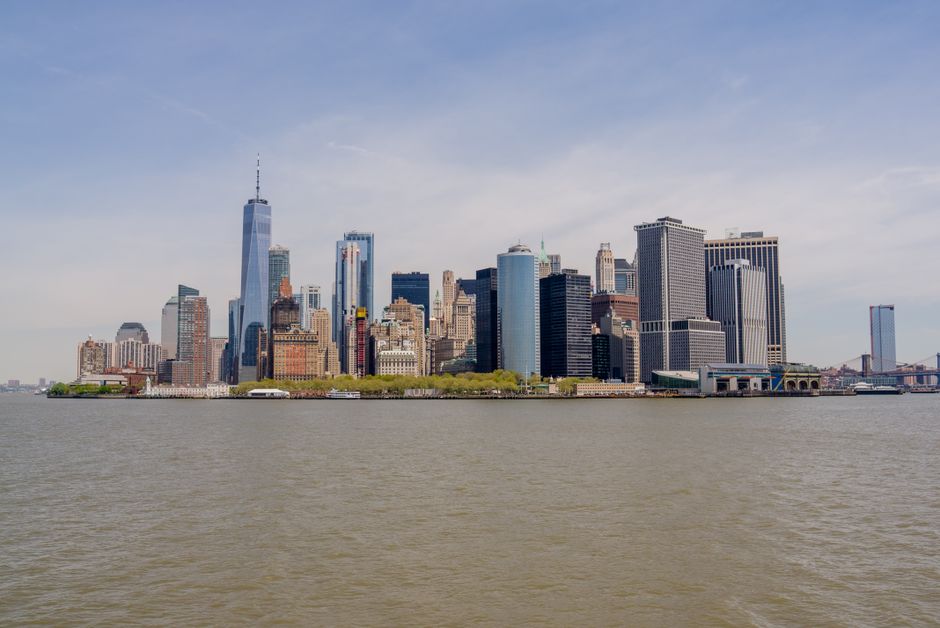
New York City is currently handling duplicate image replacement through a combination of automated image processing algorithms and manual review, with a focus on reducing storage costs and improving image retrieval efficiency.
The issue of duplicate image replacement has become increasingly important in recent months, particularly with the city's hosting of the 2026 FIFA World Cup, which has brought a surge of new images and data to the city's systems. The Eric Adams mayoral administration has made digital infrastructure a key priority, with initiatives such as the NYC Digital Transformation Plan aiming to improve the city's technology and data management capabilities. As the city continues to grow and develop, the need for efficient and effective duplicate image replacement solutions will only continue to grow.
In New York, organisations such as the Metropolitan Museum of Art and the Museum of Modern Art (MoMA) are already using duplicate image replacement techniques to manage their vast collections of digital images. For example, the MoMA has implemented a digital asset management system that uses automated image processing algorithms to identify and remove duplicate images, freeing up storage space and improving image retrieval times. Similarly, the New York Public Library has implemented a digital preservation program that includes duplicate image replacement as a key component, with a focus on preserving the city's cultural and historical heritage.
According to data from the NYC Department of Information Technology and Telecommunications, the city's digital image collection has grown by over 20% in the past year, with a total of 1.5 million images currently stored in the city's systems. The cost of storing these images is significant, with estimates suggesting that the city spends over $1 million per year on image storage alone. By implementing duplicate image replacement solutions, the city hopes to reduce these costs and improve the efficiency of its image management systems. For example, a study by the International Council on Archives found that the city of Paris was able to reduce its image storage costs by 30% through the implementation of a duplicate image replacement program.
As the city moves forward with its duplicate image replacement efforts, it will be important to continue monitoring progress and evaluating the effectiveness of different solutions. The NYC Digital Transformation Plan includes a number of key performance indicators (KPIs) related to digital image management, including image storage costs and retrieval times. By tracking these KPIs and comparing the city's progress to that of other global cities, such as London and Tokyo, the city can ensure that its duplicate image replacement efforts are on track and make adjustments as needed. For example, the city could consider partnering with organisations such as the Brooklyn Museum or the Queens Museum to develop and implement new duplicate image replacement solutions, or working with global technology companies to develop new image processing algorithms and storage solutions.
How does this story make you feel?
Spread the word
About this article
Published by The Daily New York
Daily brief
Free, in your inbox before 7am. Weekdays.
More in News