news
New York Housing Ads Featured Same Fake Photo for Years Unfixed
A deep dive into the duplicate-image problem plaguing the city's rental listings, and the bureaucratic and market forces that let it fester.
How we reported this
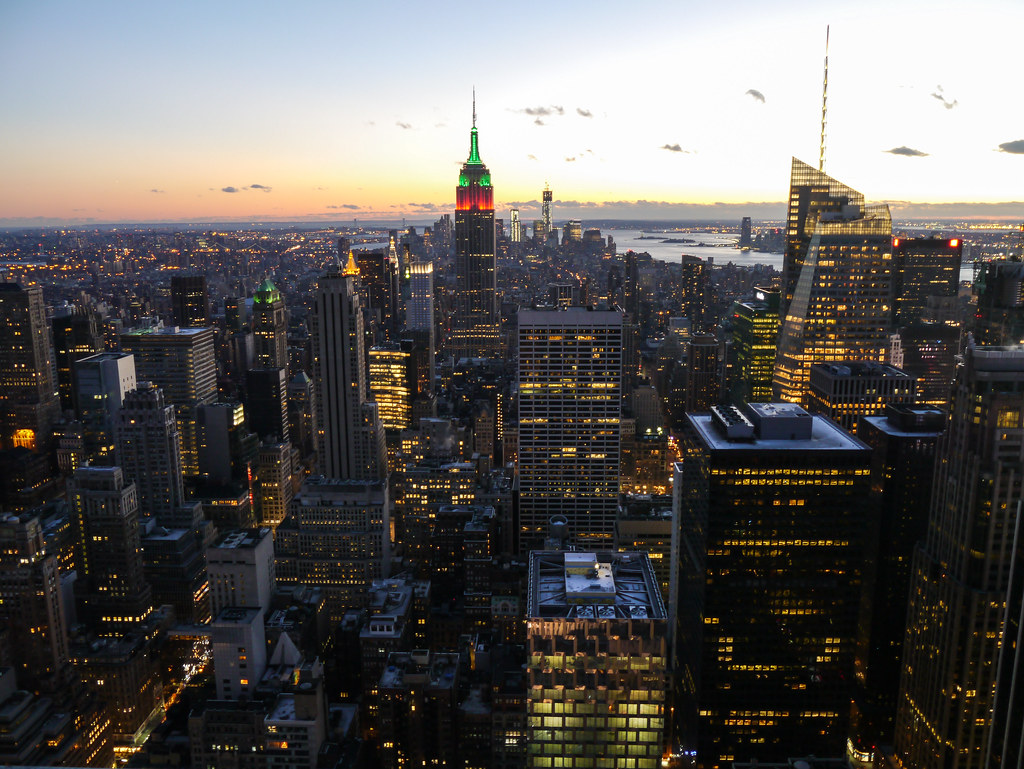
Walk into any of the dozens of apartment-hunting offices along Queens Boulevard or scroll through StreetEasy on a July afternoon, and you will almost certainly encounter it: the same sun-drenched living room photo listed under four different addresses in Crown Heights, the same granite-countertop kitchen appearing in Inwood and Flatbush simultaneously. Duplicate listing images have quietly become one of the most persistent distortions in New York City's already punishing rental market, and the story of how that happened involves a decade of weak enforcement, a fragmented brokerage industry, and digital platforms that prioritized volume over verification.
The issue matters acutely right now because New York is in the middle of two colliding pressures. The city is hosting FIFA World Cup matches at MetLife Stadium through July, drawing an estimated influx of hundreds of thousands of visitors who are scrambling for short-term rentals at a moment when Local Law 18, the 2023 measure that sharply restricted Airbnb-style short-term rentals, has already squeezed the furnished-apartment supply. Into that vacuum, bad-faith listings with recycled or wholly fabricated photographs have proliferated, real estate compliance advocates say, creating fertile ground for fraud at the worst possible time.
The Long Road to a Known Problem
The mechanics of duplicate imagery in rental listings stretch back to roughly 2012, when smartphone photography became good enough that brokers began building informal photo libraries, a collection of shots from one renovated unit in Astoria that could stand in, plausibly, for a similar unit three blocks away. At the time, the Real Estate Board of New York, known as REBNY, ran a listing service called RLS that theoretically required accurate photography, but enforcement relied largely on broker self-policing within member firms. The incentive to cheat was obvious: a bright, staged photo draws clicks; a dim, accurate one does not.
StreetEasy, which Zillow acquired in 2013, became the dominant consumer-facing portal for New York rentals and eventually carried millions of listings. The platform introduced measures to flag suspicious duplicates, but the sheer scale, more than 100,000 active rental listings at peak season, made automated detection incomplete and manual review impractical. The New York City Department of Consumer and Worker Protection has jurisdiction over deceptive trade practices in advertising, but rental listing imagery occupied a regulatory gray zone: technically covered by truth-in-advertising rules, practically almost never enforced because complaints required aggrieved parties to file individually, and most renters simply moved on once they secured an apartment.
A 2021 report by the Urban Justice Center's Community Development Project found that rental listing fraud disproportionately affected low-income New Yorkers searching in neighborhoods like East New York, the South Bronx, and central Harlem, people who often could not afford to tour multiple apartments before committing to an application fee. That dynamic made duplicate and misleading images more than an inconvenience; they functioned as an economic trap.
Where the System Stands Today
The Adams administration's housing agenda, centered on the City of Yes for Housing Opportunity zoning reforms approved in late 2024, focused overwhelmingly on production, adding units, rather than on listing transparency. The New York State Legislature passed a package of renter-protection bills in 2019 under the Housing Stability and Tenant Protection Act, but those provisions addressed lease terms and security deposits, not advertising integrity. No city or state rule currently mandates that a rental photo depict the specific unit being advertised rather than a comparable one in the same building.
REBNY updated its listing standards in 2023 to require that photos correspond to the actual unit offered, not a model apartment. But REBNY membership is voluntary, and the thousands of independent brokers operating across Brooklyn and the Bronx are not bound by its rules.
For renters navigating this Fourth of July weekend, a traditional lease-turnover date in New York, when thousands of September 1 apartments come to market, the practical upshot is grim but manageable. Request a video walkthrough dated within the past 72 hours. Cross-check the listing address on Google Street View. And file complaints with the Department of Consumer and Worker Protection at their office on Broadway and Chambers Street if you encounter a blatant mismatch. The system is imperfect, but the paper trail matters when disputes eventually reach housing court.