Behind the Headlines: The Data Statistics and Numbers Behind New York's Infrastructure Projects
A closer look at the numbers driving the city's major transport initiatives, from congestion pricing to subway investments
A closer look at the numbers driving the city's major transport initiatives, from congestion pricing to subway investments
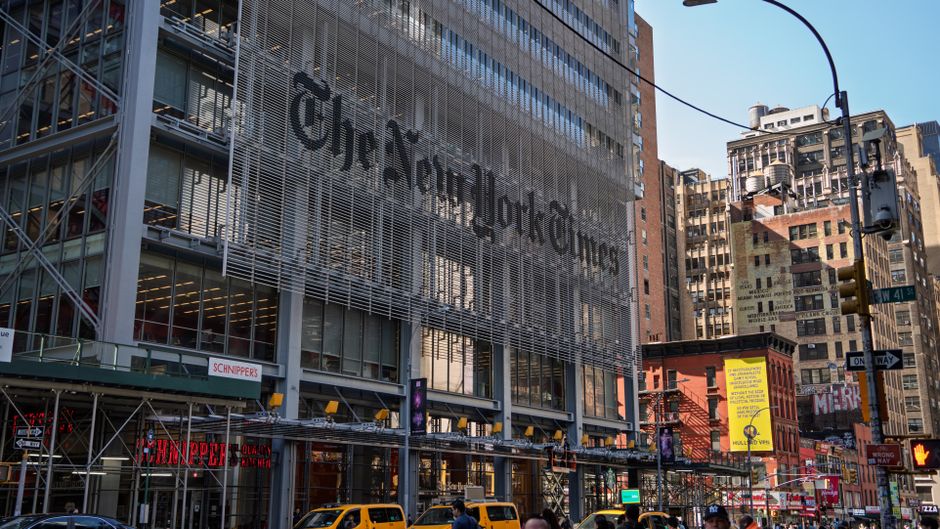
New York City's infrastructure projects have reached a critical juncture, with the implementation of congestion pricing set to begin in January 2027, affecting over 800,000 daily commuters who pass through Manhattan's Central Business District.
The city's infrastructure crisis matters now more than ever, as the Eric Adams mayoral administration grapples with a housing affordability crisis, a crime debate, and policing reform, all while preparing to host the 2026 FIFA World Cup. The success of these projects will be crucial in maintaining the city's reputation as a global hub, attracting businesses, tourists, and residents alike. With the city's population projected to reach 9 million by 2030, the need for efficient and reliable transportation systems has become increasingly urgent.
In neighborhoods like Astoria, Queens, and Washington Heights, Manhattan, residents are already feeling the effects of inadequate infrastructure. The lack of reliable subway service and congested roads has led to increased commute times, with the average New Yorker spending over 40 hours per year stuck in traffic. Organisations like the Metropolitan Transportation Authority (MTA) and the New York City Department of Transportation (NYCDOT) are working to address these issues, with projects like the Second Avenue Subway expansion and the rehabilitation of the Brooklyn Bridge.
A closer examination of the data reveals the scope of the challenge facing the city. According to the MTA, the average weekday subway ridership is over 5.5 million, with peak hours seeing trains run at 98% capacity. The implementation of congestion pricing is expected to reduce traffic in Manhattan by 15%, generating an estimated $1 billion in annual revenue, which will be invested in subway upgrades and expansions. The cost of these projects is substantial, with the MTA's 2020-2024 Capital Program totaling $51.5 billion, including $7.1 billion for subway signal modernization and $6.1 billion for station renovations.
As the city moves forward with these projects, residents and commuters can expect significant changes to the transportation landscape. The MTA has announced plans to increase subway service by 10% on select lines, including the 4, 5, and 6 trains, which run through bustling areas like Grand Central Terminal and Times Square. Additionally, the NYCDOT has launched initiatives like the NYC Streets Plan, which aims to improve pedestrian safety and reduce traffic congestion on streets like Fifth Avenue and Broadway.
How does this story make you feel?
Spread the word
About this article
Published by The Daily New York
Daily brief
Free, in your inbox before 7am. Weekdays.
More in News