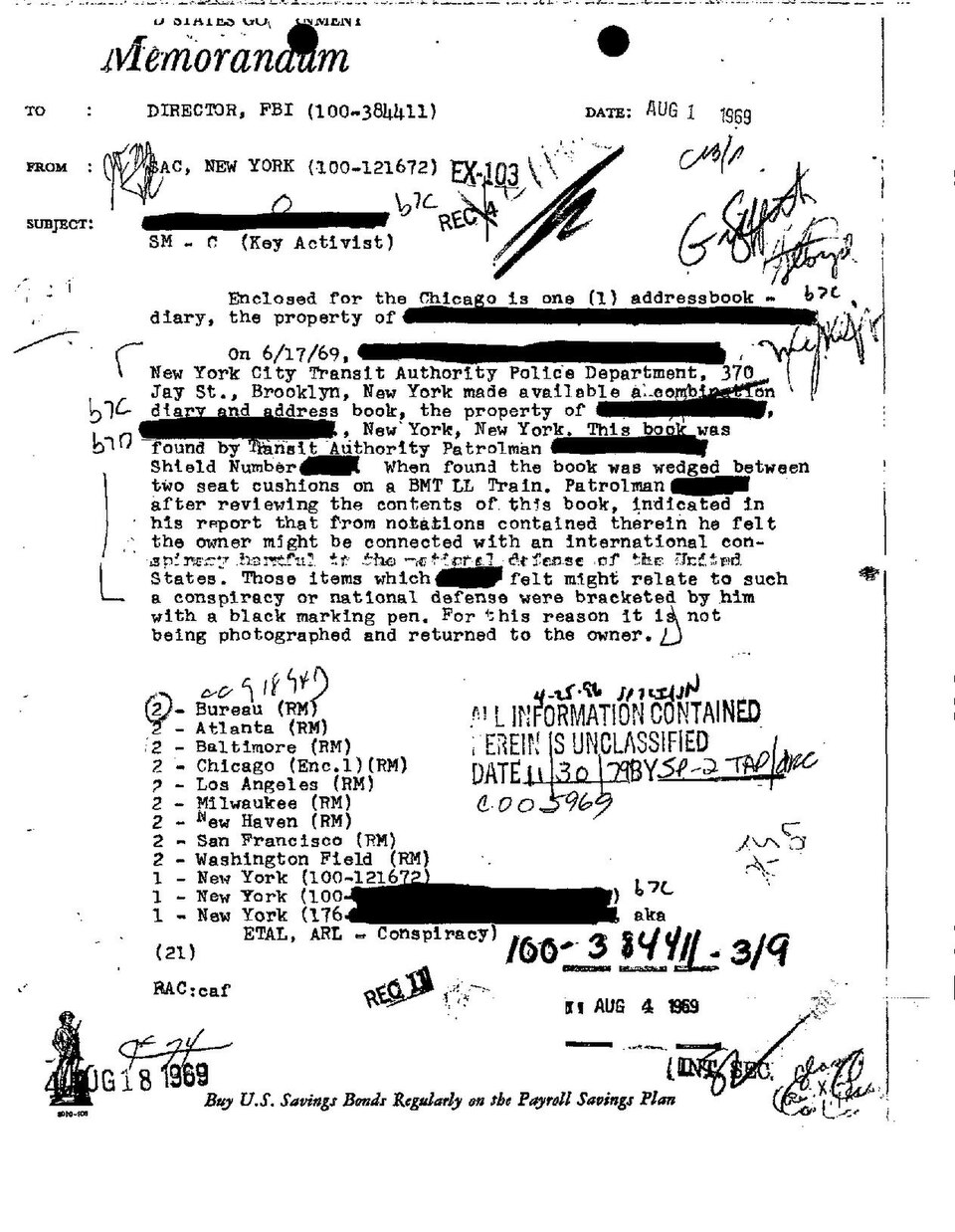
New York City's digital records infrastructure has a garbage problem. Across municipal databases maintained by agencies ranging from the Department of City Planning to the Board of Elections, duplicate image files have quietly accumulated for years, inflating storage costs, slowing document retrieval, and in some cases burying critical public records under layers of redundant scans. The problem did not arrive overnight. It was built, gradually, through a decade of rushed digitization campaigns, incompatible software migrations, and chronic underfunding of the city's Office of Technology and Innovation.
The timing could hardly be worse. With FIFA World Cup matches scheduled at MetLife Stadium beginning in June 2026, the city spent the past 18 months accelerating digitization of venue permits, zoning variances near Hudson Yards, and transit upgrade documentation tied to the MTA's Capital Program. That sprint created exactly the conditions — compressed timelines, multiple scanning vendors, no unified deduplication standard — that technology administrators say generate duplicate image crises in large archival systems.
A Problem Years in the Making
The roots of the current mess trace back to at least 2014, when the de Blasio administration launched an aggressive push to digitize paper records held at the Municipal Archives on Chambers Street in Lower Manhattan. The effort was laudable. The execution created seams. Different city agencies used different scanning contractors, exported files in different formats, and uploaded batches to separate repositories that were later consolidated without deduplication sweeps. By the time the Adams administration inherited the system, redundant image files existed across at least four separate platforms, according to city technology procurement documents reviewed as public records.
The Department of Records and Information Services, which oversees the Municipal Archives, acknowledged the deduplication challenge in its fiscal year 2025 budget justification, requesting additional funds for what it described as database integrity work. The City Council's Technology Committee held a hearing on archival modernization in March 2025 at City Hall, where department officials testified about the scale of the remediation effort needed. No single figure has been officially published for the total volume of duplicate files, but the department's own procurement language referenced storage inefficiencies affecting multiple terabytes of scanned government documents.
The problem ripples outward. Journalists, housing advocates, and lawyers who rely on the city's ACRIS property records system — maintained by the Department of Finance and accessible online — have long complained that duplicate deed images slow searches for parcels in neighborhoods like Bushwick, where rapid ownership transfers have made transparent record-keeping essential during the ongoing housing affordability debate. Community land trust organizers working along the Broadway corridor in Brooklyn have reported pulling the same document twice in a single ACRIS session, a symptom of backend duplication that the Finance Department has not publicly resolved.
What the City Is Doing — and What Comes Next
The Office of Technology and Innovation, which consolidated several city tech agencies under the Adams administration's reorganization in 2022, has been piloting an automated deduplication tool across a subset of Planning Department records since late 2024. The pilot focused initially on environmental review documents filed for projects in the Gowanus rezoning area, where hundreds of scanned submissions had been uploaded by multiple parties during the public comment period. Results from that pilot have not been released publicly.
For residents and researchers who regularly use city databases, the practical advice is straightforward: when pulling records from ACRIS or the Department of Buildings' DOB NOW portal, cross-reference filing dates and document identification numbers rather than relying on image previews alone. Duplicates typically share the same underlying document number but carry different upload timestamps — a discrepancy that, once spotted, can save hours of redundant review.
The deeper fix requires sustained investment. The Municipal Archives building on Chambers Street is operating with a digitization budget that has not kept pace with the volume of new records generated annually by a city of 8.3 million people. Until the Office of Technology and Innovation publishes the results of its Gowanus pilot and extends deduplication protocols system-wide, the redundancy problem will continue compounding — one scanned page at a time.