NYC's Duplicate Image Problem: What Happens Next and the Key Decisions Ahead
City agencies and developers are wrestling with how to overhaul outdated digital asset systems before the 2026 FIFA World Cup spotlight hits New York's infrastructure.
City agencies and developers are wrestling with how to overhaul outdated digital asset systems before the 2026 FIFA World Cup spotlight hits New York's infrastructure.
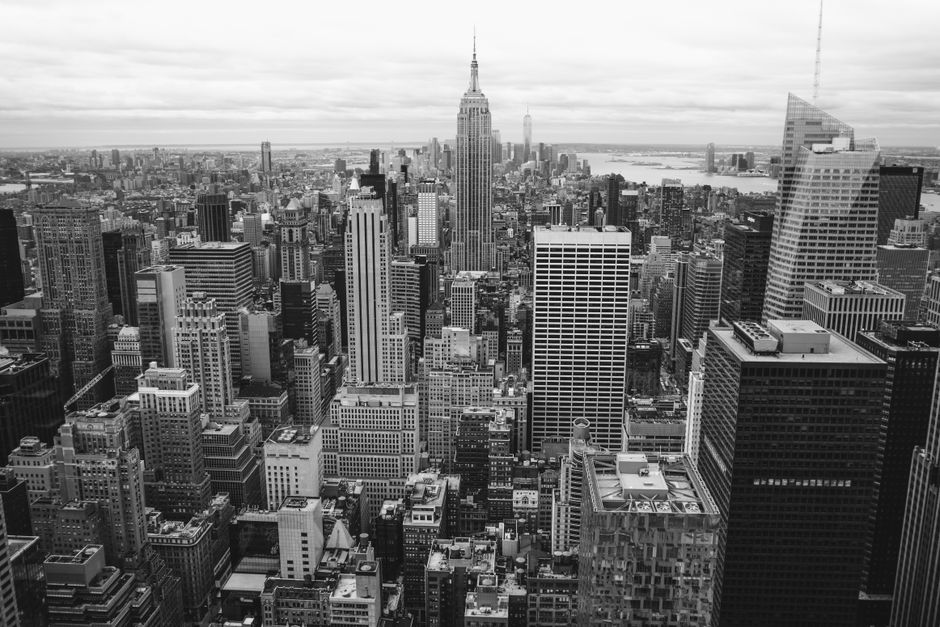
New York City's sprawling network of public-facing digital systems — from the MTA's real-time service boards to the Department of City Planning's interactive zoning maps — is carrying a growing liability: thousands of duplicate, outdated, or mismatched images embedded across government platforms, and no unified policy for cleaning them up. The problem has quietly compounded for years, but three converging pressures are finally forcing the question of what to do next.
The immediate trigger is the FIFA World Cup, which kicks off in the United States in June 2026 and places MetLife Stadium in East Rutherford at the center of global attention, with New York City serving as the primary host hub. City agencies responsible for tourism promotion, transit wayfinding, and public communications have been auditing their digital content since late 2025, and several have discovered that venue images, neighborhood photography, and promotional graphics exist in multiple conflicting versions across their content management systems.
The duplication issue isn't cosmetic. When two versions of an image carry different metadata — different copyright holders, different accessibility tags, different resolution specifications — agencies risk publishing content they don't have rights to, or serving visually impaired users with broken alt-text descriptions. NYC's Local Law 26 of 2022 mandated digital accessibility compliance across city websites, with enforcement benchmarks that several agencies have not fully met as of mid-2026. The MTA, which manages more than 470 subway stations and maintains digital displays at dozens of major transfer points including Times Square-42nd Street and Atlantic Terminal in Brooklyn, updated its CMS platform in early 2025 but did not fully migrate legacy image libraries at the time.
At the Department of City Planning, staff have flagged redundant photography in the NYC Zoning and Land Use Application portal, known as ZAP, where neighborhood context images uploaded by different borough offices sometimes show the same block from different years — occasionally contradicting current construction or rezoning status. That matters because developers, attorneys, and community board members rely on those visuals when preparing land use applications and testifying at public hearings.
The broader context is the city's housing affordability push. The Adams administration has staked considerable political capital on accelerating housing approvals, and any friction in the ZAP portal — including confusing or duplicate imagery that muddies a project's neighborhood context — adds time to already slow review cycles. The average land use review under the Uniform Land Use Review Procedure runs roughly seven months, according to City Planning's own published timelines.
Three forks in the road are coming before the end of summer. First, the city's Office of Technology and Innovation, which sits at 253 Broadway in Lower Manhattan, is expected to release updated digital asset governance guidelines by September 2026 — guidelines that would, for the first time, require agencies to adopt a single approved digital asset management platform rather than maintaining siloed image libraries. Whether agencies will be given budget to comply is unresolved.
Second, the MTA's Capital Program Oversight Committee is scheduled to review a line item in the 2025-2029 Capital Program covering digital content infrastructure at high-traffic stations. The figure attached to that line item has not been publicly confirmed, but procurement documents filed with the state's Contract Reporter suggest the scope includes image library consolidation at no fewer than 12 major station complexes, with Grand Central Madison and Penn Station among the sites named.
Third, City Council members representing districts near World Cup host zones — including parts of Midtown Manhattan and the Bronx — have asked the Mayor's Office of Media and Entertainment to inventory all city-owned photography used in international promotional materials. That inventory is due by July 31.
For agencies, the practical path forward is straightforward even if the political will is uncertain: consolidate before September, tag every asset with rights clearance and accessibility metadata, and establish a deprecation protocol so outdated images are retired rather than left dormant in old folders. Doing nothing carries a real cost — both in legal exposure under copyright law and in the reputational math of hosting the world's biggest sporting event on broken infrastructure, digital or otherwise.
How does this story make you feel?
Spread the word
About this article
Published by The Daily New York
Daily brief
Free, in your inbox before 7am. Weekdays.
More in News