Understanding the Roots of New York City's Current Political Landscape
A closer look at the background context and key events that have shaped the city's government and policies
A closer look at the background context and key events that have shaped the city's government and policies
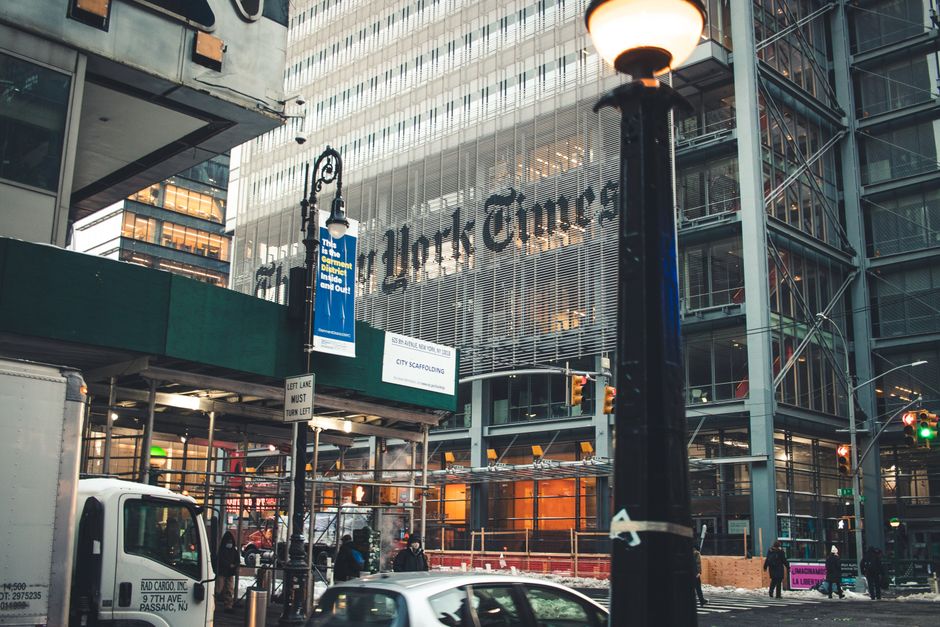
New York City's government is at a critical juncture, with the Eric Adams mayoral administration navigating a complex web of challenges, including a housing affordability crisis, debates over crime and policing reform, and the implementation of congestion pricing.
The current state of city politics matters now because it will have a lasting impact on the lives of New Yorkers, from the cost of living and access to affordable housing, to the safety of neighborhoods and the efficiency of the city's transportation systems. The city's response to these challenges will also influence its reputation as a hub for business, tourism, and culture, with the 2026 FIFA World Cup hosting serving as a high-profile test of its capabilities.
In neighborhoods like Jackson Heights, Queens, and Bushwick, Brooklyn, the effects of gentrification and rising housing costs are evident, with long-time residents facing displacement and small businesses struggling to stay afloat. Organisations like the New York City Housing Authority and the Metropolitan Transportation Authority are working to address these issues, with initiatives like the NYCHA's Plan to Preserve Public Housing and the MTA's Subway Investment Program. Meanwhile, iconic venues like Times Square and Central Park continue to attract tourists and locals alike, but also pose challenges for city planners and policymakers seeking to balance economic development with community needs.
According to data from the NYC Department of Housing Preservation and Development, the city's rent-stabilized housing stock has decreased by 12% since 2014, with the median rent for a one-bedroom apartment in Manhattan now exceeding $3,000 per month. As of June 2026, the city's overall vacancy rate stands at 2.5%, down from 3.5% in 2020. These statistics underscore the urgency of the housing affordability crisis and the need for effective policy solutions.
As the city moves forward, residents and stakeholders will be watching closely to see how the Adams administration addresses these pressing issues. With the congestion pricing program set to launch in 2027, and the FIFA World Cup scheduled to take place in 2026, the city will be under intense scrutiny. To navigate these challenges, New Yorkers can stay informed about local policy initiatives and participate in community engagement opportunities, such as the NYC Council's public hearings and the Mayor's Office of Community Engagement's outreach programs. By understanding the background context and key events that have shaped the city's government and policies, residents can better advocate for their needs and contribute to the development of a more equitable and sustainable city for all.
How does this story make you feel?
Spread the word
About this article
Published by The Daily New York
Daily brief
Free, in your inbox before 7am. Weekdays.
More in News