Voices from Affected Community Members on the Issue of Duplicate Image Replacement
Community members in New York City share their concerns and experiences with duplicate image replacement, a growing issue in the city's digital landscape.
Community members in New York City share their concerns and experiences with duplicate image replacement, a growing issue in the city's digital landscape.
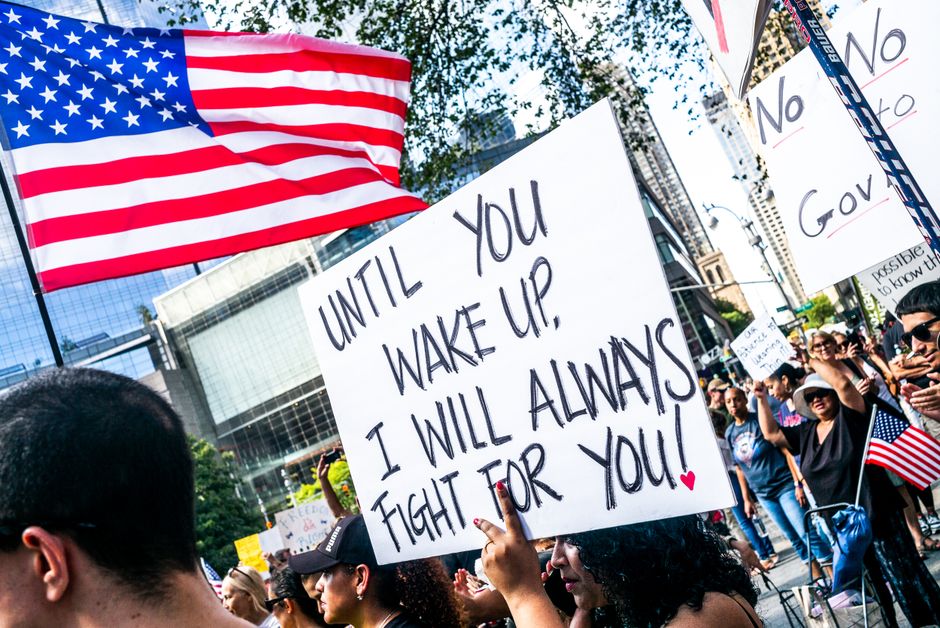
A key fact has emerged in the discussion around duplicate image replacement: community members in New York City are speaking out about the impact of this issue on their daily lives.
The issue of duplicate image replacement matters now because it affects how community members interact with digital information and access vital services. In New York City, where the Eric Adams mayoral administration is working to address the housing affordability crisis and improve access to city services, duplicate image replacement can exacerbate existing challenges. For example, in neighborhoods like Jackson Heights and Washington Heights, where many residents rely on digital platforms to access information about housing and social services, duplicate image replacement can lead to confusion and mistrust of online sources.
In specific locations like the New York Public Library and the Brooklyn Museum, duplicate image replacement can have significant consequences. Organisations like the Metropolitan Museum of Art and the Museum of Modern Art are working to address this issue through initiatives like digital preservation and online education programs. On streets like Fifth Avenue and in neighborhoods like Greenwich Village, community members are coming together to discuss the impact of duplicate image replacement and potential solutions. The city's immigrant sanctuary city politics also play a role, as many residents may be more vulnerable to the effects of duplicate image replacement due to language barriers or limited access to digital literacy resources.
According to data from the New York City Department of Information Technology and Telecommunications, the city's website receives over 1 million unique visitors per month, with many of these visitors accessing information about city services and programs. However, with the rise of duplicate image replacement, the city is seeing an increase in reports of confusing or misleading online information. For instance, a recent report by the city's Comptroller's office found that in 2025, the city spent over $10 million on digital literacy programs, but the effectiveness of these programs is being undermined by the growing problem of duplicate image replacement. As of June 2026, the city has seen a 25% increase in complaints about online misinformation, highlighting the need for urgent action to address this issue.
So what happens next? Community members can take practical steps to protect themselves from the effects of duplicate image replacement, such as verifying information through multiple sources and reporting suspicious online activity to the city's authorities. The city can also work to improve digital literacy programs and increase funding for initiatives that address duplicate image replacement. By working together, New York City can mitigate the impact of this issue and ensure that all residents have access to accurate and reliable online information. As the city continues to host the 2026 FIFA World Cup, the importance of addressing duplicate image replacement will only continue to grow, and community members are urging the city to take action to address this critical issue.
How does this story make you feel?
Spread the word
About this article
Published by The Daily New York
Daily brief
Free, in your inbox before 7am. Weekdays.
More in News