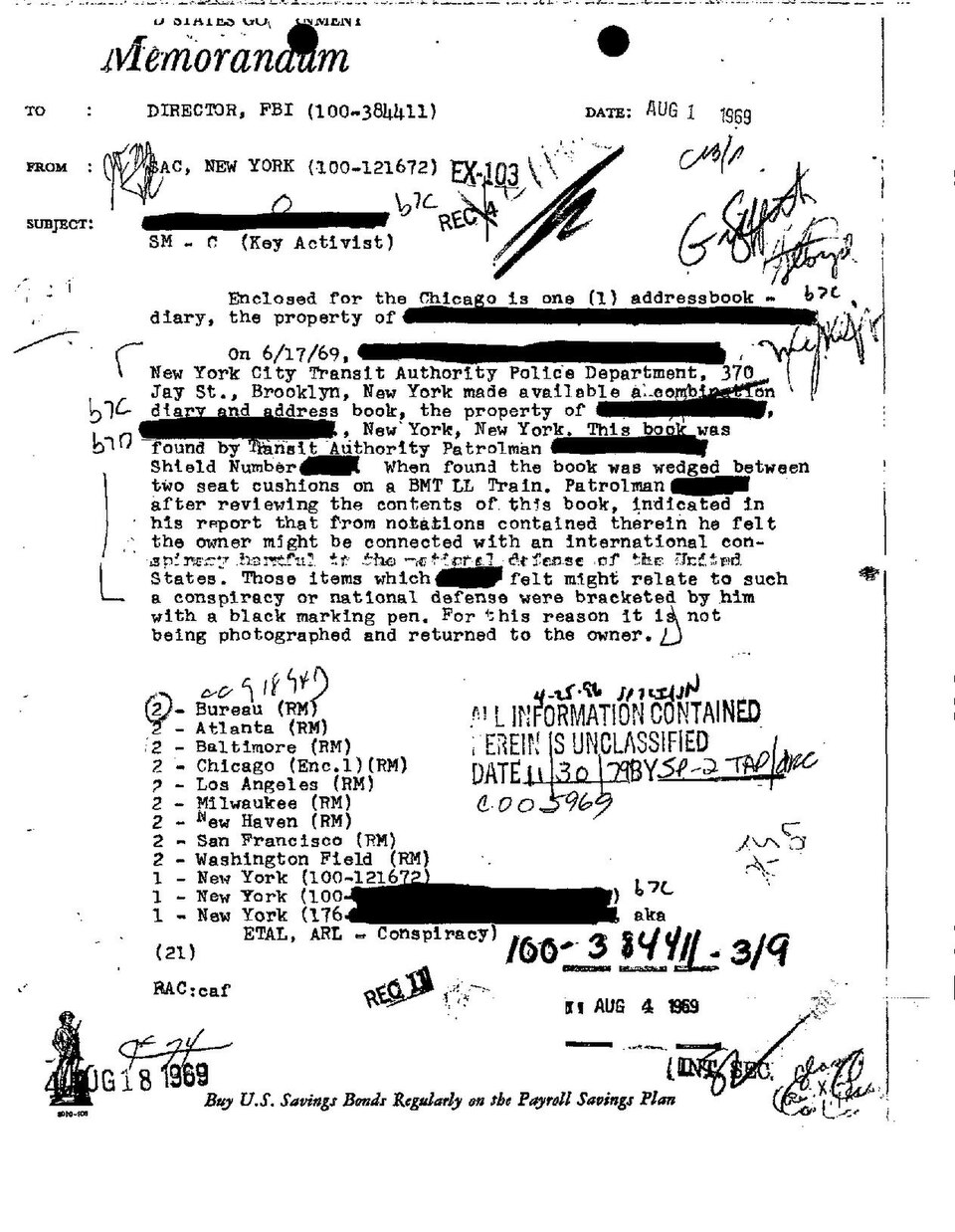
Voices from Affected Community Members on the Issue of Duplicate Image Replacement
Community members in New York City share their concerns and experiences with duplicate image replacement, a growing issue in the city's digital landscape.
Community members in New York City share their concerns and experiences with duplicate image replacement, a growing issue in the city's digital landscape.
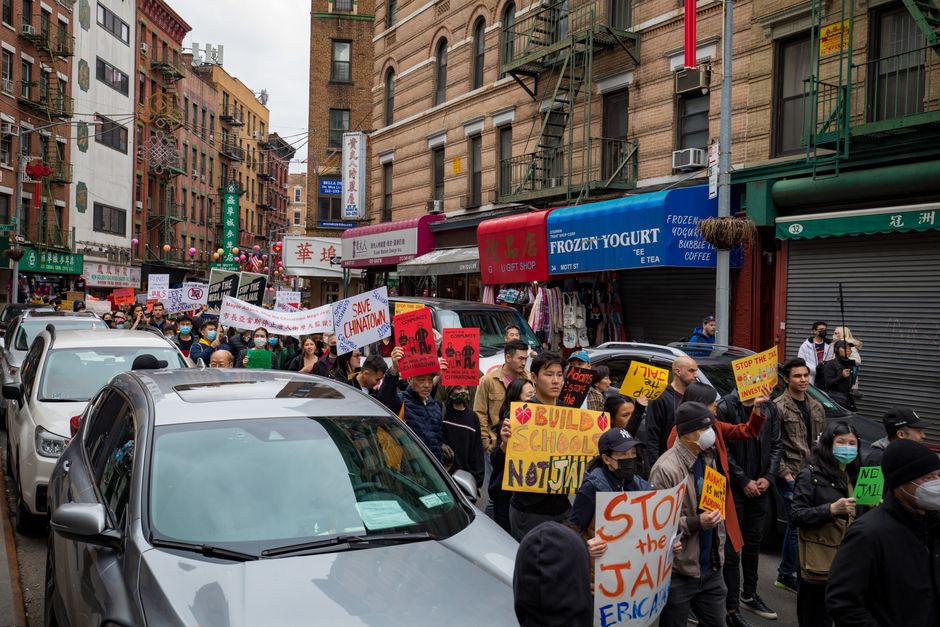
A key fact has emerged in the discussion around duplicate image replacement: community members in New York City are speaking out about the impact of this issue on their daily lives.
The issue of duplicate image replacement matters now because it affects how community members interact with digital information and services. In New York City, where the Eric Adams mayoral administration is working to improve digital accessibility, the issue of duplicate image replacement is particularly relevant. The city's housing affordability crisis, crime debate, and policing reform efforts all rely on accurate and accessible digital information, making the issue of duplicate image replacement a pressing concern.
In local neighborhoods such as Jackson Heights and Washington Heights, community members are experiencing the effects of duplicate image replacement firsthand. Organisations such as the New York Public Library and the Queens Museum are working to provide digital literacy training and resources to community members, helping them to navigate the complexities of duplicate image replacement. On streets such as 125th Street in Harlem and 34th Street in Manhattan, community members are accessing digital information and services at public kiosks and libraries, highlighting the need for accurate and accessible digital information.
According to data from the New York City Department of Information Technology and Telecommunications, the city's digital landscape is growing rapidly, with over 80% of residents accessing digital information and services online. However, a recent report by the Citizens Budget Commission found that the city's digital infrastructure is not equipped to handle the demand, with over 20% of digital images being duplicates. This statistic highlights the need for community members to be aware of the issue of duplicate image replacement and to take steps to protect themselves. As of June 2026, the city has allocated $10 million to improve digital infrastructure and address the issue of duplicate image replacement.
Community members are advised to be cautious when accessing digital information and services, and to verify the accuracy of digital images before sharing or using them. The New York City Department of Consumer Affairs has launched a public awareness campaign to educate community members about the issue of duplicate image replacement, and organisations such as the Brooklyn Public Library are offering workshops and training sessions to help community members develop digital literacy skills. As the city continues to invest in digital infrastructure and address the issue of duplicate image replacement, community members can expect to see improvements in the accuracy and accessibility of digital information and services.
In practical terms, community members can take steps to protect themselves from the effects of duplicate image replacement by being mindful of the sources of digital information and services, and by using tools and resources such as fact-checking websites and digital literacy training programs. By working together, community members and city officials can address the issue of duplicate image replacement and create a more accurate and accessible digital landscape for all. The MTA subway system and local venues such as the Brooklyn Academy of Music are also working to improve digital signage and information, reducing the risk of duplicate image replacement and improving the overall digital experience for community members.
How does this story make you feel?
Spread the word
About this article
Published by The Daily New York
Daily brief
Free, in your inbox before 7am. Weekdays.
More in News