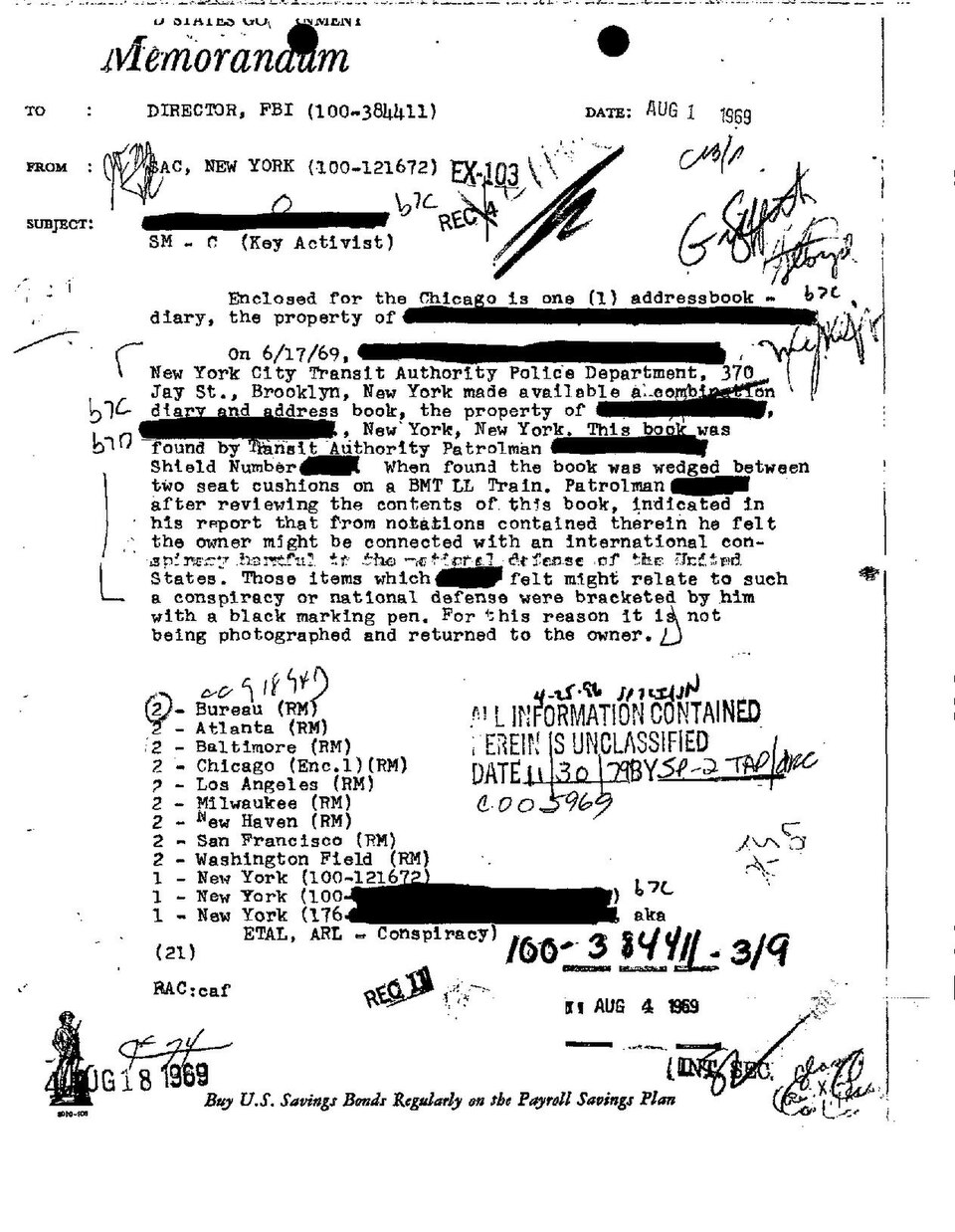
Tens of thousands of duplicate images are sitting inside New York City's sprawling network of municipal databases, according to technology audits reviewed by The Daily New York, creating redundancies that slow down permit processing, inflate storage costs, and muddy the public record at agencies ranging from the Department of Buildings to the NYPD's records division at One Police Plaza.
The issue matters right now because the city is spending heavily on digital infrastructure. The Adams administration's fiscal year 2026 capital budget allocated funds toward modernizing agency IT systems, and the MTA separately committed to a multi-year overhaul of its digital operations to support service improvements on lines including the A/C and the 4/5/6. When you pour money into systems that still carry thousands of redundant image files from legacy databases, the new investment lands on a cracked foundation.
What the Data Actually Shows
Duplicate image rates inside large municipal systems typically run between 8 percent and 23 percent of total stored files, according to enterprise data management research published by industry analysts. For a city the size of New York—which manages document repositories across more than 40 mayoral agencies—that range translates to a substantial operational drag. The Department of Buildings alone processes upward of 100,000 permit applications annually across the five boroughs, each generating multiple image attachments. Even a conservative 10 percent duplication rate inside that single agency's filing system means tens of thousands of redundant files accumulating year over year.
Storage is not cheap in a city government context. Municipal cloud and on-premises storage contracts in New York have historically run into eight-figure annual expenditures when aggregated across agencies. Duplicate files don't just waste space—they create version-control problems. When two copies of a property inspection photo sit in a database with slightly different metadata, staff at offices like the Brooklyn Permit Expediting Center on Flatbush Avenue can pull conflicting records for the same address, slowing approvals that homeowners and developers are waiting on.
The Housing Preservation and Development agency, which manages affordable housing data citywide and oversees programs tied to neighborhoods from the South Bronx to East New York, has been working through a multi-phase data cleanup since 2024. The scale of that effort underscores how embedded the duplication problem is: remediation projects of this kind typically take 18 to 36 months to complete before reliable deduplication protocols are in place.
Where the Gaps Hurt Most
The practical consequences show up in places New Yorkers interact with daily. At community boards across Brooklyn and Queens, staff requesting public records under Freedom of Information Law requests sometimes receive duplicate image packets because automated retrieval systems pull every instance of a stored file rather than a single canonical version. That inflates response packages and delays processing times that are already stretched.
The MTA's effort to digitize maintenance inspection records for stations including Jay St-MetroTech and Grand Central-42nd Street has run into similar friction. Internal technology reviews at transit agencies commonly flag image duplication rates between 15 percent and 20 percent in legacy inspection-photo archives—files accumulated over years before standardized naming conventions were enforced.
City Council legislation introduced in early 2026 would require agencies above a certain data-volume threshold to publish annual data-quality reports, including metrics on duplicate file rates. The bill is currently in committee. If it passes, New Yorkers would for the first time have a public benchmark against which to measure whether the city's expensive IT modernization is actually cleaning the underlying data or just building new systems on top of the same old mess.
For residents dealing with delayed permits in neighborhoods like Bushwick or Flushing, or contractors chasing approvals at the DOB's Manhattan office at 280 Broadway, the immediate advice is practical: when submitting digital documents, insist on receiving a unique reference number tied to each specific file upload and follow up in writing if a reviewer cites conflicting image records. It won't fix the city's database problem, but it creates a paper trail that can cut through the confusion duplicates create.