New York's Digital Archive Crisis Costs Taxpayers $40 Million in Duplicates
Decades of inconsistent digitization across city agencies left municipal records riddled with redundant files — and now the bill is coming due.
Decades of inconsistent digitization across city agencies left municipal records riddled with redundant files — and now the bill is coming due.
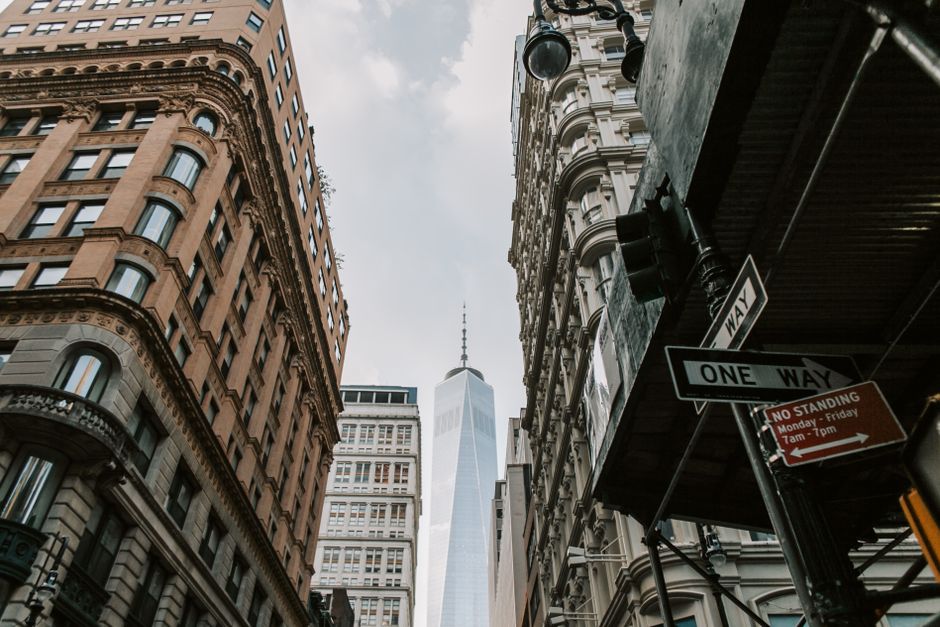
New York City is sitting on a storage problem that has been quietly compounding since the late 1990s. Across dozens of municipal agencies — from the Department of Buildings to the Parks Department to the MTA — digital archives have accumulated millions of duplicate image files, the result of two decades of piecemeal digitization drives that lacked any unified standard. The city's Department of Information Technology and Telecommunications, known as DoITT, flagged the scope of the redundancy problem in internal reviews going back to at least 2019, but no coordinated fix followed.
The issue matters now because the 2026 FIFA World Cup, with MetLife Stadium in East Rutherford hosting matches through July and into the final on July 19, forced a reckoning. City agencies scrambled to publish updated digital asset libraries — maps, venue photography, public-facing promotional materials — and discovered that their content management systems were drowning in duplicate files. In several cases, outdated images from prior construction phases of sites like Hudson Yards and the revamped Penn Station corridor were being served to the public alongside current ones, creating confusion at precisely the moment the city needed a clean, professional digital face.
The roots of the problem stretch back to 2001, when the city launched its first large-scale digitization push following the destruction of paper records in the September 11 attacks. Agencies were handed individual contracts and told to get their documents online. There was no shared file-naming convention, no deduplication protocol, and no central repository. The result was predictable: the Department of City Planning ended up with multiple versions of the same borough maps saved under different filenames across different servers. The city's 311 portal, launched in 2003, developed its own image database that never talked to the parallel system being built at the Department of Housing Preservation and Development.
By the time the de Blasio administration pushed its Open Data initiative in 2012, reformers discovered that the image duplication problem made it nearly impossible to build a clean public-facing dataset. NYC Open Data, hosted at data.cityofnewyork.us, now lists more than 3,000 datasets, but image asset integrity has remained a known gap. A 2023 city comptroller's audit — one of several that examined digital infrastructure spending — found that storage costs across major agencies had grown substantially, though the audit stopped short of attributing a precise dollar figure solely to redundant files.
The Adams administration inherited this architecture without fundamentally altering it. The mayor's MyCity portal, launched in 2023 to consolidate resident-facing services on a single platform, was designed to improve the front-end experience but did not include a backend deduplication mandate for image assets. DoITT, which operates out of offices at 255 Greenwich Street in Lower Manhattan, has been developing a new Digital Asset Management framework since late 2024, according to procurement records published on the city's PASSPort contracting platform.
The PASSPort records show a request for proposals went out in March 2026 for a citywide deduplication and digital asset management vendor, with a contract award expected before the end of the fiscal year on June 30 — a deadline that passed without a public announcement of a winner as of this writing. That delay has left agencies managing the World Cup communications window with the same fragmented infrastructure that created the problem in the first place.
For residents and businesses that interact with city image archives — architects pulling permit records at the Department of Buildings' portal, journalists accessing press photo libraries, community boards in neighborhoods like Flushing and the South Bronx trying to access planning documents — the practical advice is straightforward: always check the file date metadata before relying on any image pulled from a city system, and request confirmation from the relevant agency that the asset reflects current conditions. The Brooklyn Public Library's Center for Brooklyn History, which partners with city agencies on some archival projects, has published its own guidance on verifying municipal digital records.
The city has spent years building digital services on a foundation that nobody adequately stress-tested. The World Cup just turned the lights on.
How does this story make you feel?
Spread the word
About this article
Published by The Daily New York
Daily brief
Free, in your inbox before 7am. Weekdays.
More in News