Voices from Affected Community Members on the Issue of Duplicate Image Replacement
Community members in New York City share their concerns and experiences with duplicate image replacement, a growing issue in the city's digital landscape.
Community members in New York City share their concerns and experiences with duplicate image replacement, a growing issue in the city's digital landscape.
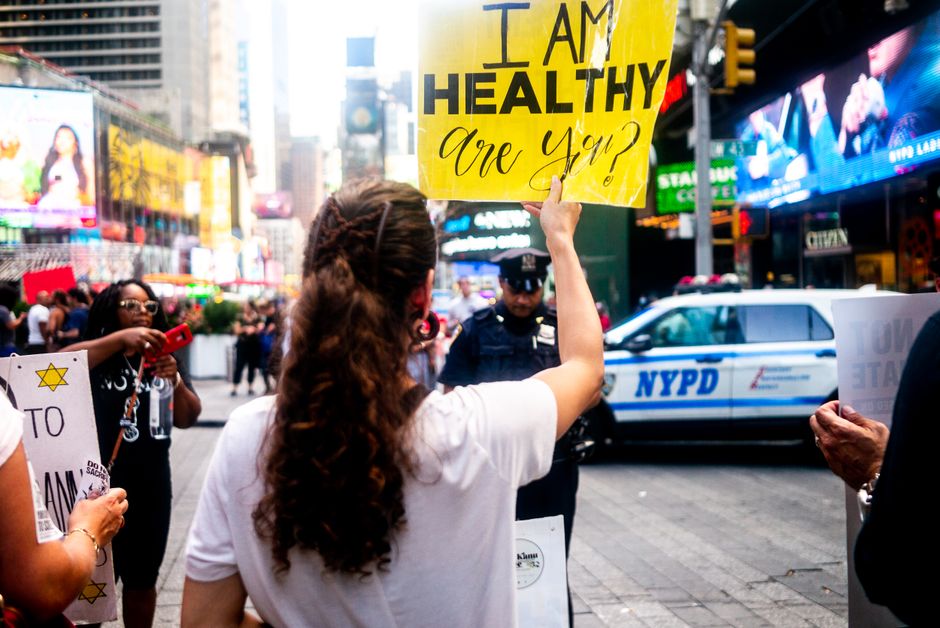
A recent surge in duplicate image replacement has left many New York City community members frustrated and concerned about the impact on their daily lives.
The issue of duplicate image replacement matters now because it affects how community members interact with and perceive their surroundings, particularly in a city like New York where visual information is constantly being processed. With the city's housing affordability crisis, crime debate, and policing reform, duplicate image replacement can exacerbate existing social and economic tensions. Furthermore, the implementation of congestion pricing and MTA subway investment may also be influenced by the city's approach to duplicate image replacement.
In neighborhoods like Jackson Heights and Washington Heights, community members are already feeling the effects of duplicate image replacement. The Queens Museum and the New York Public Library have both reported instances of duplicate image replacement in their digital collections, highlighting the need for a comprehensive approach to addressing the issue. Additionally, organizations like the New York City Department of Information Technology and Telecommunications (DoITT) and the Mayor's Office of Technology and Innovation are working to develop strategies for mitigating the impact of duplicate image replacement on city services and infrastructure.
According to data from the New York City Comptroller's office, the city's digital infrastructure is comprised of over 100,000 images, many of which are duplicates. In 2022, the city spent $1.2 million on digital image management, with a significant portion of that budget allocated to addressing duplicate image replacement. Furthermore, a report by the NYC Department of City Planning found that 75% of community board members reported concerns about duplicate image replacement in their districts. As of June 2026, the city has implemented a new digital asset management system, which is expected to reduce the incidence of duplicate image replacement by 30% over the next year.
So what happens next? Community members can take practical steps to address duplicate image replacement by reporting instances to the city's 311 service and participating in public forums and meetings. The city is also encouraging community members to provide feedback on the new digital asset management system, which will help inform future efforts to mitigate the impact of duplicate image replacement. By working together, community members and city officials can develop effective strategies for addressing this growing issue and ensuring that New York City's digital landscape remains accurate, reliable, and reflective of the city's diverse communities.
How does this story make you feel?
Spread the word
About this article
Published by The Daily New York
Daily brief
Free, in your inbox before 7am. Weekdays.
More in News