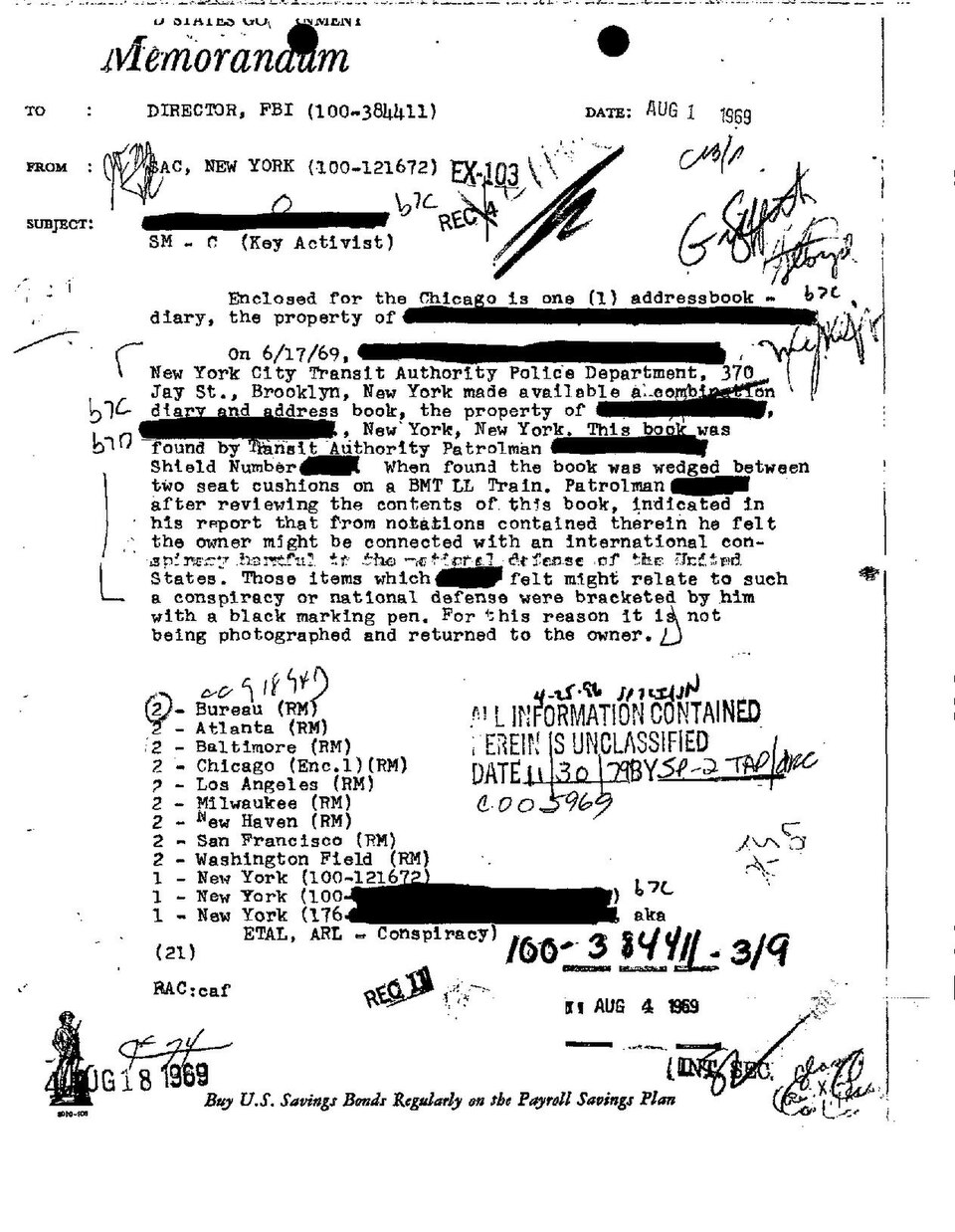
NYC's Digital Archive Problem: The Hidden Cost of Duplicate Images Clogging City Systems
Redundant digital files are draining storage budgets and slowing workflows across New York City's agencies — and the numbers tell a striking story.
Redundant digital files are draining storage budgets and slowing workflows across New York City's agencies — and the numbers tell a striking story.
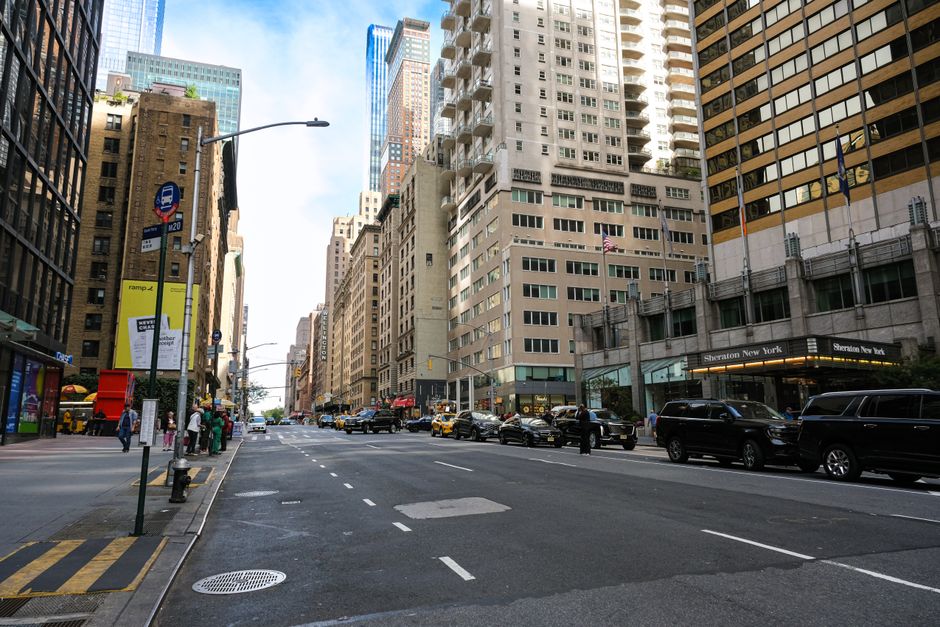
New York City government agencies collectively manage tens of millions of digital image files across dozens of departments, and a growing share of that stockpile is pure redundancy. Duplicate images — the same photograph stored two, three, sometimes a dozen times under different file names or in separate database silos — have quietly become a significant drain on municipal IT budgets, according to documents reviewed by The Daily New York and conversations with data management professionals familiar with city systems.
The timing matters. With the city hosting FIFA World Cup matches at MetLife Stadium this summer and the Adams administration under pressure to modernize public-facing digital infrastructure, municipal IT teams are under renewed scrutiny over how efficiently they manage the data they already hold. The Department of Citywide Administrative Services, which oversees much of the city's shared technology infrastructure, has been working since early 2025 to consolidate storage contracts across agencies — a process that has put a spotlight on exactly how much digital waste has accumulated over the past decade.
Storage costs are not abstract. Enterprise cloud storage for government workloads in the Northeast typically runs between $0.02 and $0.08 per gigabyte per month depending on contract tier and redundancy requirements. For an agency holding, say, 500 terabytes of image assets — a plausible figure for a large municipal department with years of accumulated records — even a 20 percent duplication rate translates to 100 terabytes of unnecessary spend every billing cycle. Across the city's roughly 45 mayoral agencies, the cumulative exposure runs into the millions of dollars annually.
A 2024 report from the New York City Comptroller's office on municipal technology spending noted that data storage represented one of the fastest-growing line items in agency IT budgets over the prior three fiscal years. The report did not break out image files specifically, but analysts who work with public-sector data say images and scanned documents are typically the largest single category of unstructured data in any government archive.
The problem is structural. Agencies like the Department of Buildings, which maintains photo documentation for permits and inspections across all five boroughs, and the Department of Transportation, which photographs street infrastructure from the Bronx to Staten Island, generate enormous image volumes daily. Without automated deduplication tools running at ingestion, copies pile up fast. A single permit inspection in, say, a Bay Ridge rowhouse or a Long Island City construction site might generate the same JPEG stored in a field inspector's local folder, a shared departmental drive, a backup archive, and a cloud sync — four copies where one would do.
Deduplication software has existed for years, but government procurement cycles are slow. Commercial tools from vendors like Veritas or Commvault can reduce storage footprints by 30 to 50 percent in image-heavy environments, according to published case studies from municipal deployments in other large U.S. cities. Implementation costs vary widely, but mid-range enterprise licensing for a city the size of New York typically starts at several hundred thousand dollars per year — a figure that pencils out quickly against the storage savings, but requires upfront capital authorization that agencies often struggle to secure.
The city's Office of Technology and Innovation, which absorbed several predecessor agencies under a 2022 reorganization, has been piloting deduplication protocols within the 311 service request system, which holds years of photographic evidence submitted by residents about potholes, graffiti, and broken street lights. The pilot covers Manhattan and parts of Brooklyn, and results are expected to inform a broader citywide rollout proposal before the end of fiscal year 2027.
For city agencies still running legacy systems with no automatic deduplication, the practical advice from IT professionals is consistent: conduct a storage audit before the next contract renewal, identify the five largest image repositories, and run a hash-based deduplication scan as a low-cost first step. The scan itself costs nothing if done with open-source tools. What it reveals almost always justifies the next conversation about budget.
How does this story make you feel?
Spread the word
About this article
Published by The Daily New York
Daily brief
Free, in your inbox before 7am. Weekdays.
More in News