Manhattan Downsizing: Where Empty-Nesters Move in NY
Empty-nesters are leaving Manhattan for Brooklyn, Queens, and Westchester. Discover which neighborhoods offer the best value and space for luxury downsizers.
Empty-nesters are leaving Manhattan for Brooklyn, Queens, and Westchester. Discover which neighborhoods offer the best value and space for luxury downsizers.

Listen to this article · 3:47
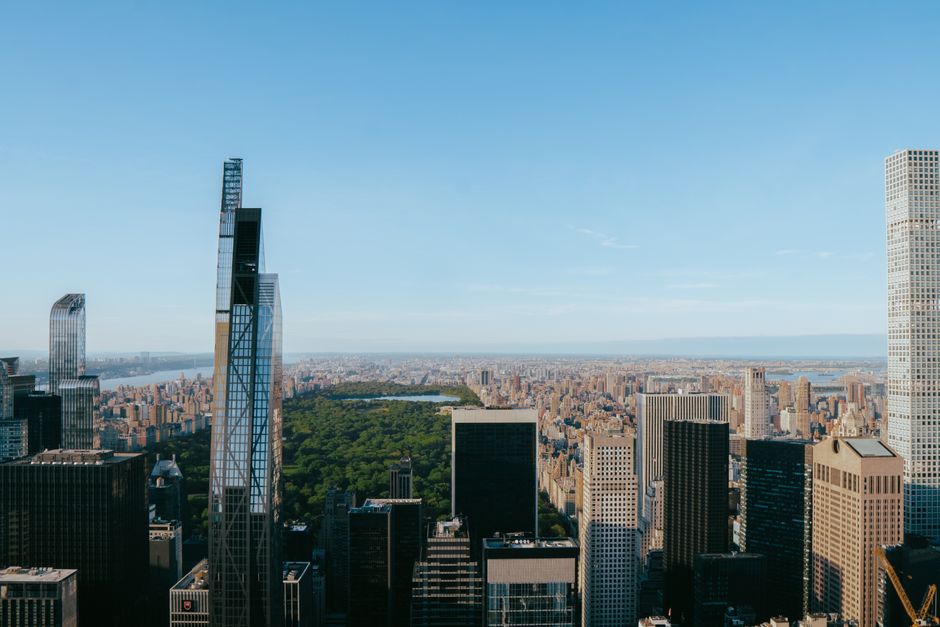
For decades, the downsizer's journey was predictable: sell the Upper West Side brownstone, buy a smaller place in the same neighborhood, stay put. But 2026 tells a different story. Empty-nesters are no longer afraid to move, and they're discovering that the real estate calculus has shifted dramatically in favor of neighborhoods that offer space, amenities, and—crucially—capital gains.
The trend is reshaping pockets of Brooklyn, Queens, and Westchester, where recently renovated condos and low-rise residential buildings are attracting sellers who've realized their $1.3 million Manhattan co-op can buy something substantially larger elsewhere. A two-bedroom in a pre-war building on the Upper East Side, once considered the holy grail, now commands the same price as a four-bedroom townhouse in Park Slope, or a sprawling condo with outdoor space in Forest Hills.
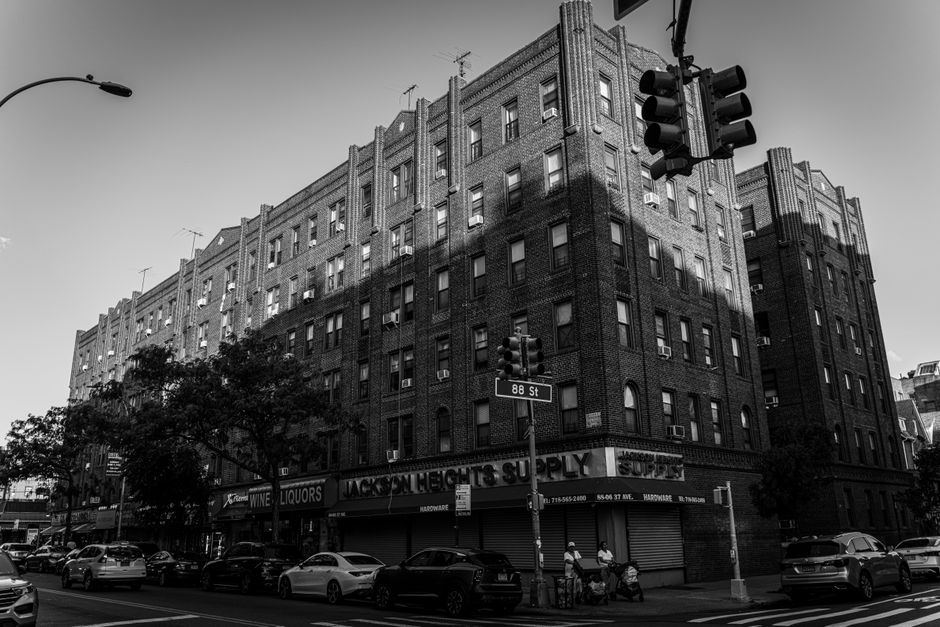
Park Slope and Prospect Heights remain obvious choices, but savvier downsizers are looking east. In Forest Hills, Queens—long overlooked by Manhattan money—Victorian-era homes and mid-rise co-ops are fetching $900,000 to $1.2 million, offering nearly double the square footage of comparable Manhattan properties. The neighborhood's tree-lined streets, proximity to Forest Park, and reinvigorated commercial strips along Austin Street have attracted a wave of empty-nesters seeking what one local broker calls "Manhattan accessibility without Manhattan claustrophobia."
Astoria and Long Island City are playing a similar role for downsizers in their 60s and 70s who want urban energy without isolation. Waterfront condos with gyms, doormen, and river views—amenities once exclusive to Manhattan's elite buildings—are now available for $1.1 million to $1.4 million, with far fewer annual fees than comparable co-op boards demand.
Across the city line, Scarsdale and Bronxville in Westchester have become an unexpected magnet. A five-bedroom Colonial with an updated kitchen and acre of land runs $1.5 million to $2 million—prices that feel almost reasonable to sellers unloading East Side penthouses. The trade-off is clear: space, privacy, and excellent school systems (still relevant for downsizers with grandchildren nearby) in exchange for a 45-minute commute.
What's driving the shift? Rising co-op maintenance fees—some now exceeding $4,000 monthly—are making downsizing economically irrational if you're simply moving sideways in the same building. Meanwhile, pandemic-era remote work has made outer-borough commutes less punishing. And perhaps most importantly, the mental calculus around "staying in the neighborhood" has simply changed. Empty-nesters increasingly see relocation as an opportunity, not a loss.
This article was compiled by AI from the sources linked above and screened before publishing. See our editorial standards.
How does this story make you feel?
Spread the word
About this article
Published by The Daily New York
Daily brief
Free, in your inbox before 7am. Weekdays.
More in Property