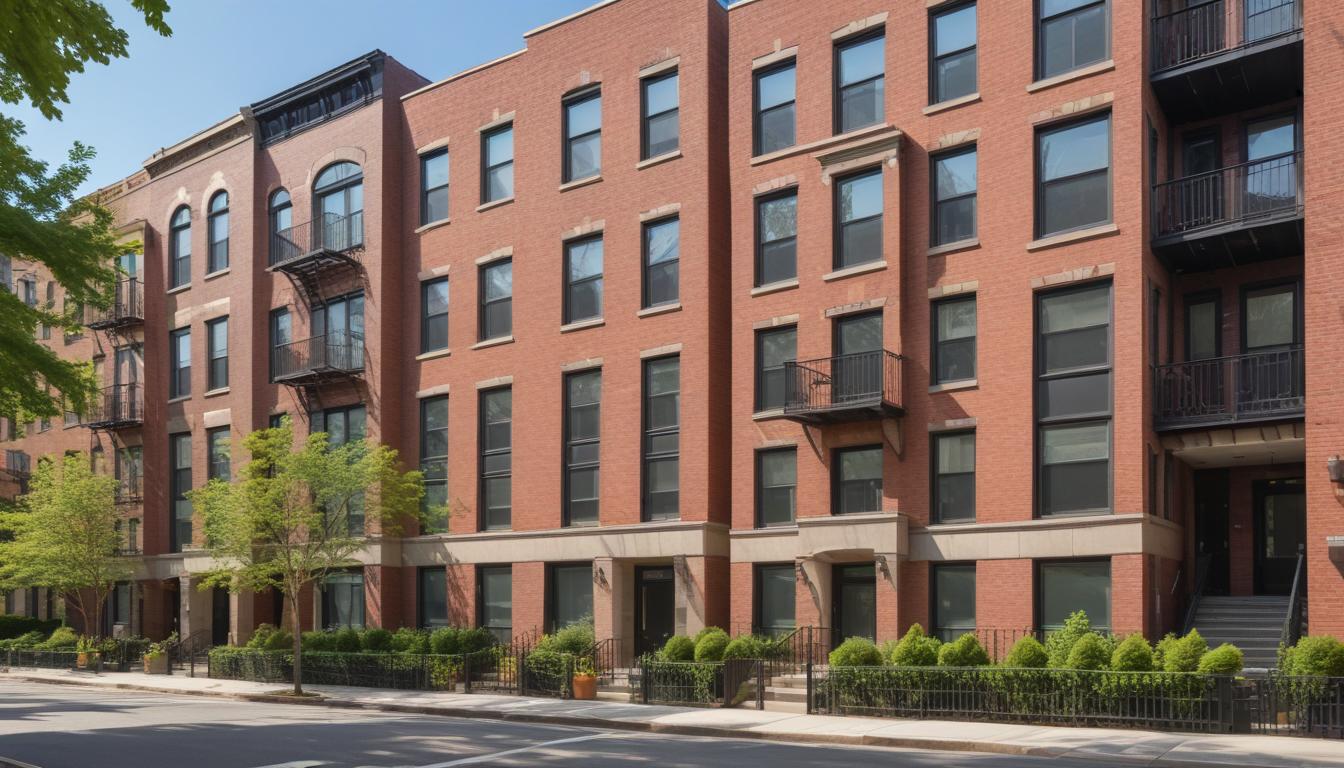
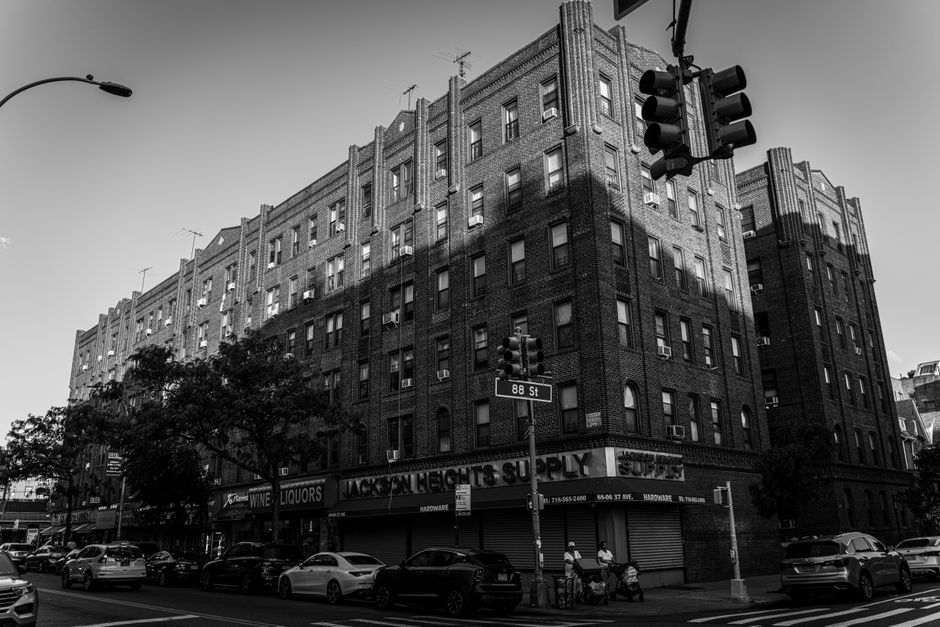
New York's property development landscape has shifted dramatically. The city's Department of City Planning reported over 12,000 residential units in active construction across the five boroughs as of mid-2026, with the majority concentrated in Brooklyn's Williamsburg and Greenpoint neighborhoods, plus Queens' Long Island City and Astoria corridors. For first-time buyers with budgets hovering near the city's $800,000 median, understanding how these projects move from approval to occupancy has become essential.
The approval process itself remains the critical bottleneck. New residential developments typically require Uniform Land Use Review Procedure (ULURP) certification, a process that can span 18 to 36 months from initial Community Board review through final City Council sign-off. Developers must navigate zoning variances, environmental assessments, and affordable housing requirements under the city's mandatory Inclusionary Housing program. For buyers, this timeline matters: projects announced today may not see model apartments open until 2028 or 2029, affecting both pricing strategy and market conditions when you're ready to commit.
Location remains paramount. A new mixed-use development on Franklin Street in Greenpoint, approved last year, is offering two-bedroom units starting at $795,000—undercutting the neighborhood's resale median by roughly 8 percent. Meanwhile, projects in Long Island City, once heralded as the next frontier, have seen slower sales velocity as early adopters have begun listing. First-time buyers should focus on neighborhoods where infrastructure improvements align with development: the Second Avenue subway expansion and the planned bus rapid transit on 14th Street have made those corridors particularly attractive to developers.
Incentive programs can significantly alter affordability calculations. Buyers purchasing in certain designated areas may qualify for property tax abatements under the city's Affordable New York Housing Program, effectively reducing carrying costs by 20 to 30 percent for the first decade of ownership. The NYC Department of Housing Preservation and Development website provides updated lists of eligible projects by zip code.
Practical steps: attend sales events hosted by major developers like Silverstein Properties, Related Companies, and Brookfield, which typically launch model units 12 to 18 months before occupancy. Review projects' approved community benefit agreements on the city's CEQR (City Environmental Quality Review) database—these sometimes include below-market units reserved for first-time buyers. Finally, secure pre-approval from lenders familiar with pre-construction financing; many traditional banks require 20 to 25 percent down for units in buildings still under construction.
The window is open, but it's closing. With inventory constraints and rising interest rates, understanding the approval-to-occupancy pipeline isn't just helpful—it's essential to locking in today's prices before the market shifts again.
This article was compiled by AI from the sources linked above and screened before publishing. See our editorial standards.