Manhattan Landlords Face Yield Squeeze as Rental Income Fails to Keep Pace with Purchase Prices
New York's investment property returns are narrowing, with gross yields hovering near historic lows even as acquisition costs soar.
New York's investment property returns are narrowing, with gross yields hovering near historic lows even as acquisition costs soar.

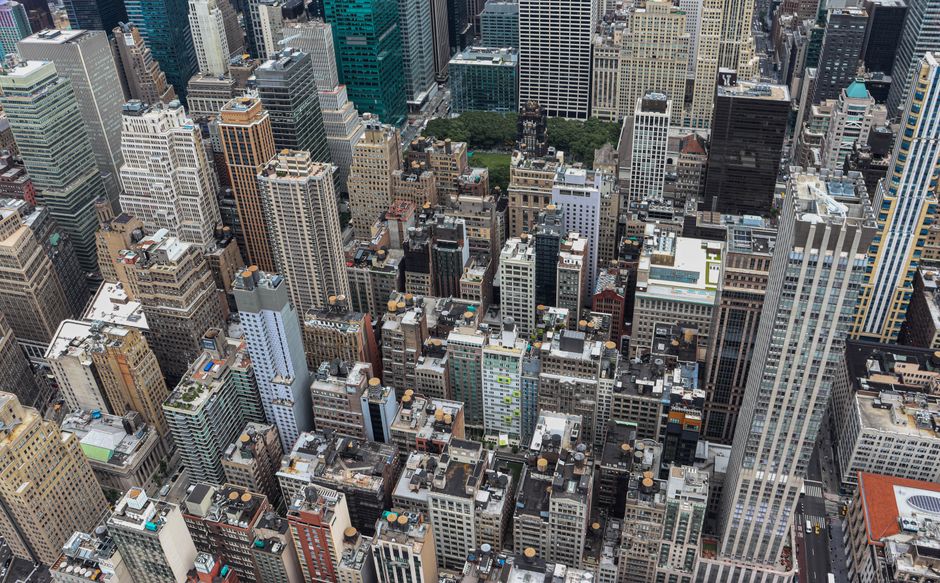
For New York property investors, the math is getting harder. While median home prices across the city hover around $800,000 and Manhattan co-ops command $1.3 million or more, the rental income that justifies those purchases is lagging dangerously behind.
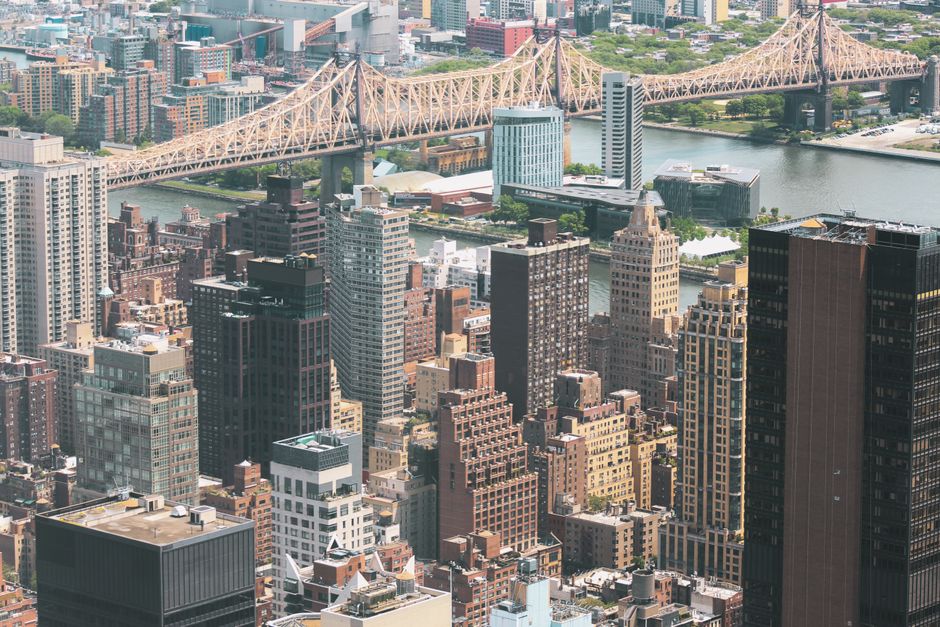
Current gross yields on investment properties in Manhattan's premium neighborhoods—think the Upper West Side or Tribeca—now sit between 2.5 and 3.5 percent annually. In Brooklyn's hot markets like Williamsburg and Park Slope, yields edge slightly higher at 3.5 to 4.2 percent, reflecting the borough's continued appeal to younger renters and families. Queens, still the city's growth engine, offers comparatively better returns at 4 to 5 percent—but supply constraints and rising property values are eroding that advantage quickly.
The disconnect is stark. A $1.5 million co-op in Manhattan generating $48,000 in annual rent delivers just 3.2 percent gross yield before accounting for property tax, maintenance fees, insurance, and vacancy. That $48,000 must cover not only those operational costs but also mortgage interest, capital gains expectations, and the opportunity cost of capital tied up in equity.
Property tax in New York City remains a critical variable, consuming roughly 0.8 to 1.2 percent of assessed property value annually depending on the neighborhood and building class. Combined with co-op/condo board fees (often $400 to $1,000 monthly in Manhattan) and building insurance, net yields compress to 1 to 2 percent for many traditional rental strategies.
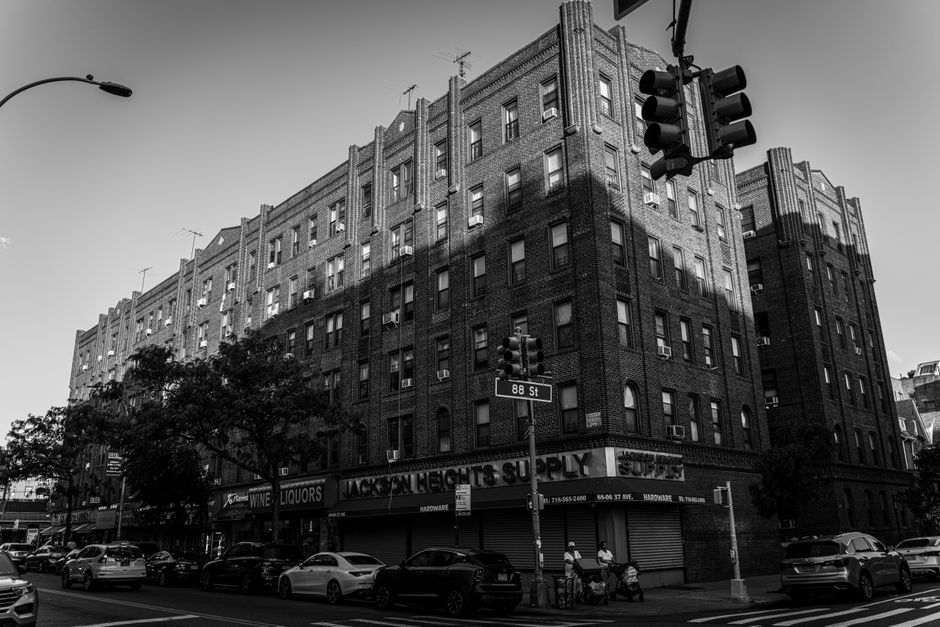
Savvier investors are pivoting. The expansion of accessory dwelling unit (ADU) zoning across outer boroughs is creating hybrid income opportunities: primary residence plus secondary unit rental. Investors eyeing two-to-three-family homes in Astoria, Jackson Heights, or Sunset Park can achieve 5 to 6 percent net yields by combining owner-occupancy tax advantages with dual rental streams.
Commercial conversion plays—particularly along emerging corridors near new subway infrastructure improvements—continue to attract institutional capital seeking 6 to 8 percent returns, though regulatory uncertainty and higher financing costs have tempered deal flow.
Market fundamentals suggest yields will remain compressed through 2026 and beyond. High-net-worth immigration, persistent rental demand, and limited new inventory keep purchase prices elevated. For landlords banking on appreciation rather than cash flow, that calculus may hold. For yield-focused investors, New York increasingly demands operational sophistication and diversified income strategies—or a willingness to look beyond the five boroughs.
This article was compiled by AI from the sources linked above and screened before publishing. See our editorial standards.
How does this story make you feel?
Spread the word
About this article
Published by The Daily New York
Daily brief
Free, in your inbox before 7am. Weekdays.
More in Property