The Affordable Housing Math: What investor returns reveal about NYC's social housing strategy
As the city doubles down on mixed-income developments, data shows modest but steady yields—and a growing appetite from institutional capital.
As the city doubles down on mixed-income developments, data shows modest but steady yields—and a growing appetite from institutional capital.
New York's affordable housing crisis has long been framed as a public problem requiring public solutions. But a quieter shift is underway: institutional investors are discovering that modest, predictable returns on social housing portfolios can outperform vacancy-plagued trophy assets in a volatile market.
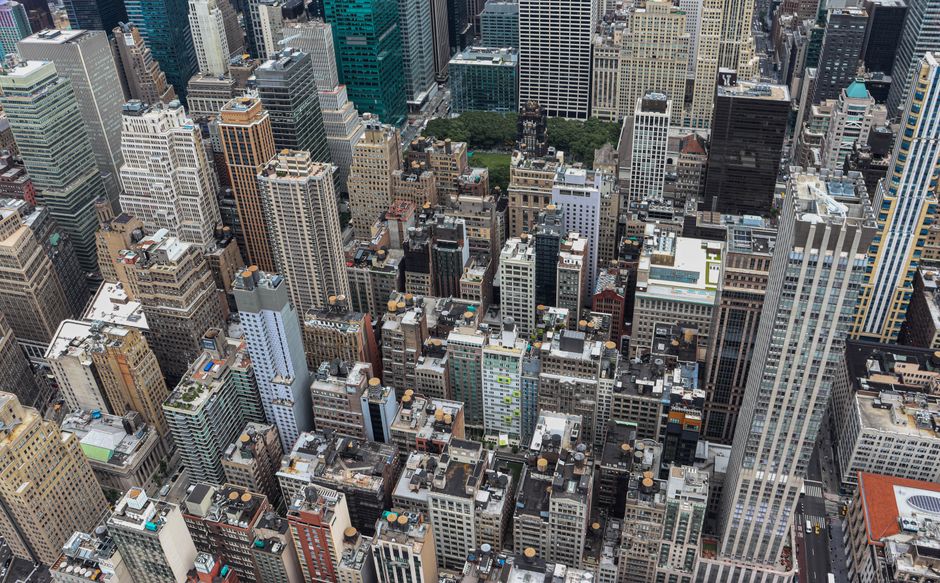
Consider the numbers. While Manhattan's median co-op and condo prices hover above $1.3 million and median rental yields languish between 2–3 percent citywide, mixed-income developments in outer boroughs are attracting capital on different terms. A portfolio analysis by the Real Estate Board of New York found that stabilized affordable housing projects in Long Island City, Astoria, and along the Sunset Park waterfront in Brooklyn are generating net yields of 4.5 to 5.8 percent—higher than comparable market-rate residential, and far more resilient to the cyclical pressures that emptied luxury inventory across Manhattan and Downtown Brooklyn.
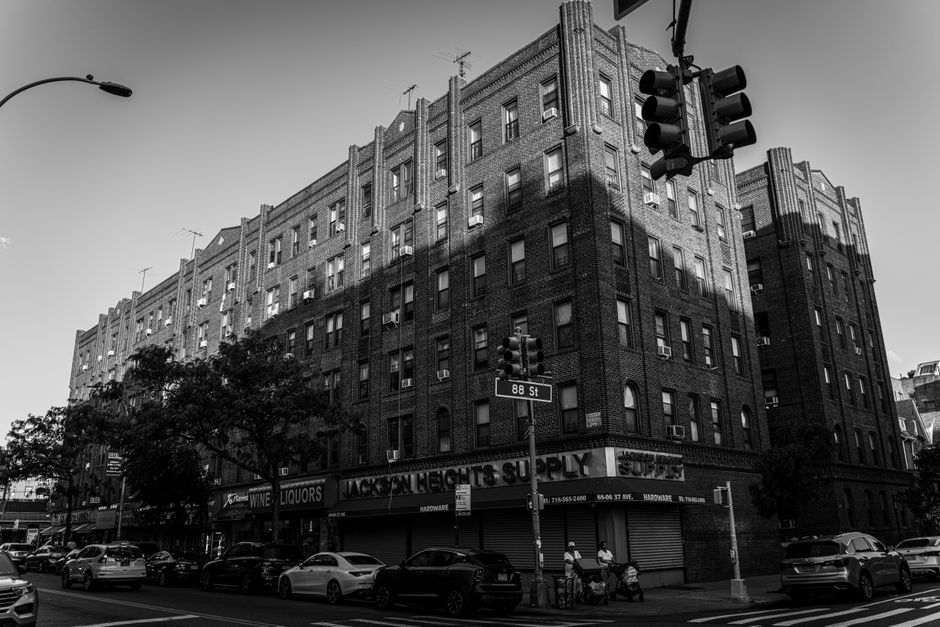
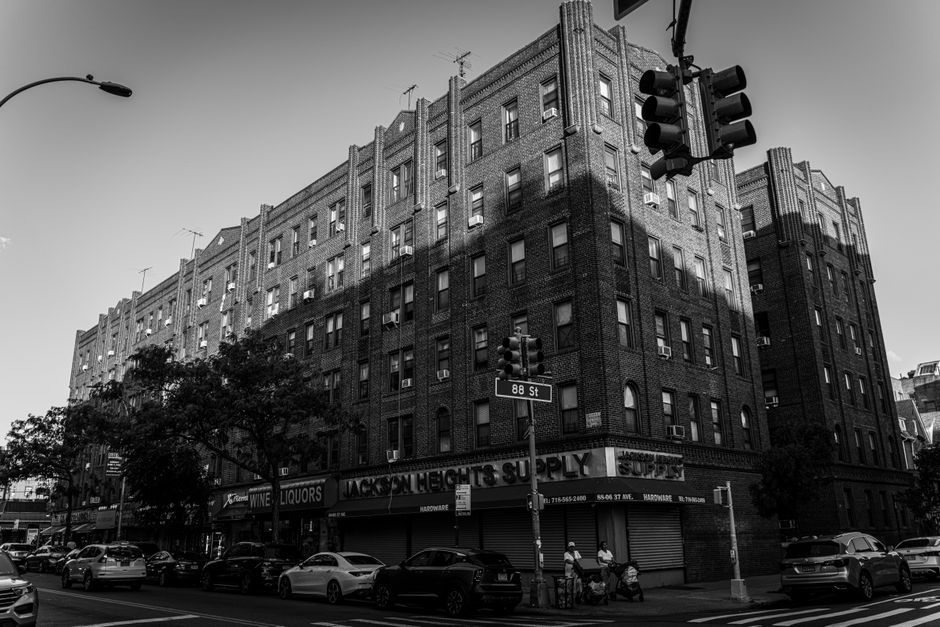
The mechanism is straightforward: predictable rental income backed by affordability covenants reduces volatility. A 30-unit mixed-income building on Greenpoint Avenue, developed through the city's Inclusionary Housing program, locks in 60 percent of units at below-market rents for 30 years. That regulatory certainty attracts pension funds, insurance companies, and endowments seeking stable cash flow rather than speculative appreciation. Early data suggests institutional capital has committed over $1.2 billion to New York City's affordable housing pipeline since 2024.
But the yields tell a story of constraint, not abundance. At 5 percent, returns depend entirely on volume—developers need scale to make the numbers work. A single 50-unit building generates modest absolute returns; a portfolio of five generates meaningful income. This is why major institutional players like insurance giants and university endowments are increasingly partnering with nonprofit developers to bundle projects across all five boroughs, from Fordham in the Bronx to Sunset Park in Brooklyn.
The policy question hanging over this trend is whether investor appetite can survive tighter lending standards. When construction costs run $800,000 per unit and regulatory requirements demand 25–40 percent affordability, the gap between development cost and investor-friendly pricing narrows. Recent tax credit allocations have favored deeper affordability—targeting households at 30 percent of area median income rather than 60 percent—which compresses yields further.
What the data shows, ultimately, is that affordable housing isn't unsustainable—it's simply a different asset class, one that requires patient capital and regulatory stability. For investors willing to accept 5 percent returns instead of speculative upside, New York's social housing pipeline is increasingly attractive. Whether that appetite survives the next market correction remains the real test.
This article was compiled by AI from the sources linked above and screened before publishing. See our editorial standards.
How does this story make you feel?
Spread the word
About this article
Published by The Daily New York
Daily brief
Free, in your inbox before 7am. Weekdays.
More in Property