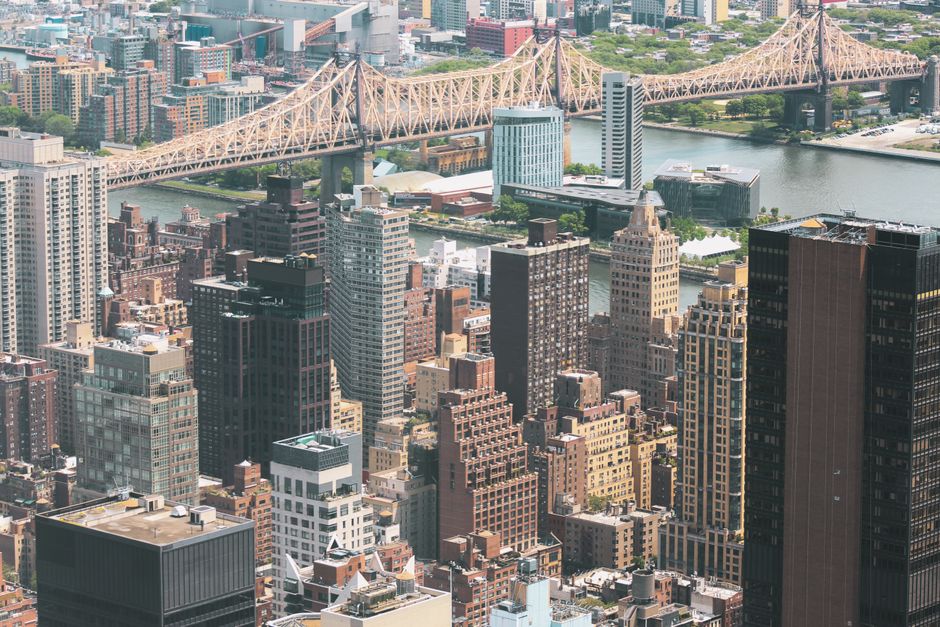
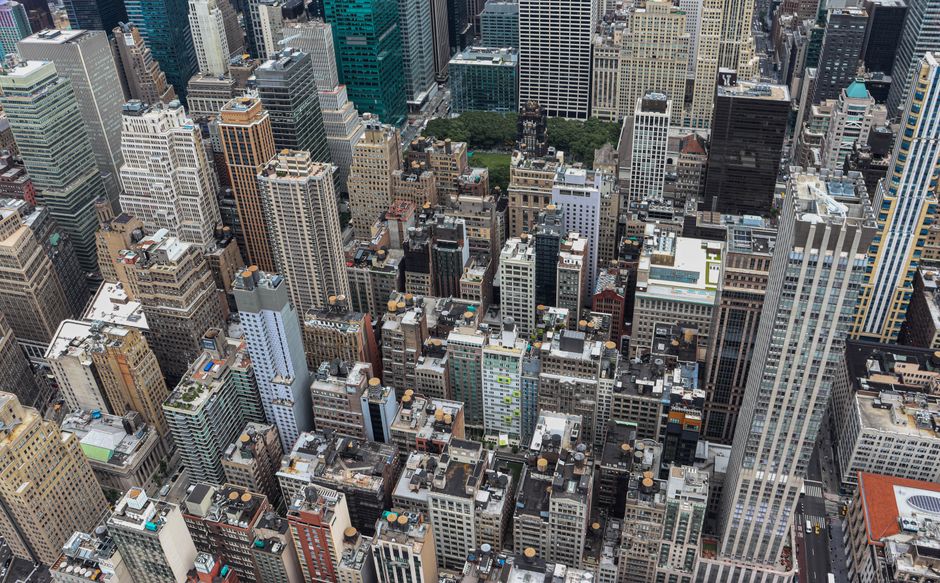
New York's affordable housing crisis has reached a critical inflection point. As the median home price hovers near $800,000 across the five boroughs—and Manhattan co-ops and condos routinely exceed $1.3 million—a perfect storm of factors is simultaneously squeezing supply and inflating demand in ways that haven't been seen since the early 2020s.
The primary culprit remains straightforward: limited inventory. According to recent housing authority data, New York City lost approximately 8,500 naturally affordable units in the past three years, even as the population continued growing. Gentrification along the G train corridor in Brooklyn, persistent investment buying in Long Island City, and the conversion of rental buildings to condominiums in neighborhoods like Astoria have all accelerated the squeeze. Meanwhile, construction costs—labor, materials, regulatory compliance—have rendered new development economically viable only at luxury price points.
But policy is beginning to shift the equation. The city's expanded ADU (accessory dwelling unit) zoning initiative, rolled out across outer boroughs including parts of Sunset Park and Forest Hills, is slowly unlocking secondary housing potential on single-family lots. Early adoption data suggests modest but meaningful impact: homeowners in eligible areas are beginning to recognize the financial viability of adding rental units, though permitting delays remain a persistent bottleneck.
The 'Home for a Home' initiative, meanwhile, has targeted vulnerable overseas families relocating to New York, creating a specialized pipeline that's beginning to ease pressure on emergency housing services. Though modest in scale, it signals municipal recognition that housing insecurity is not purely domestic.
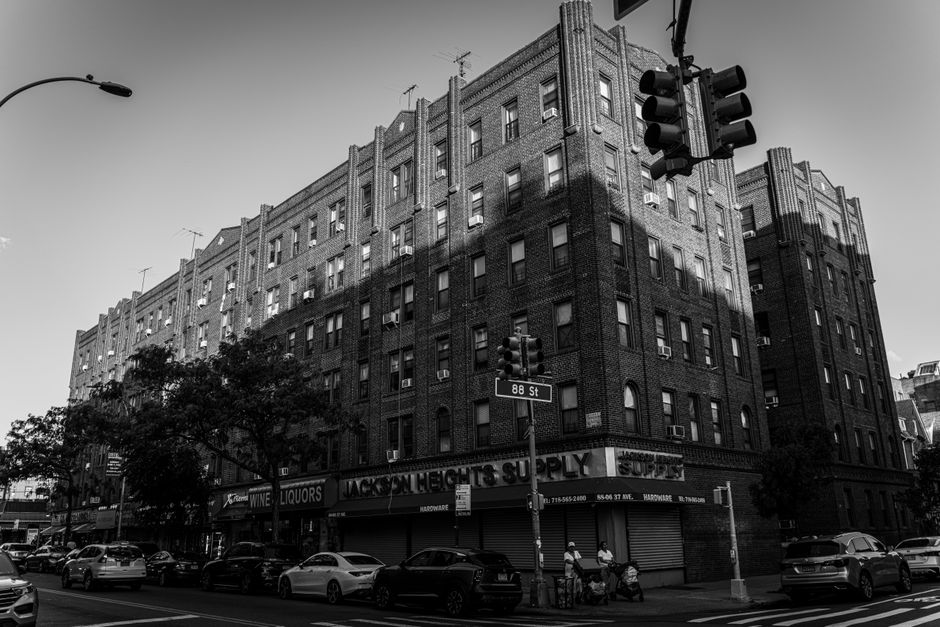
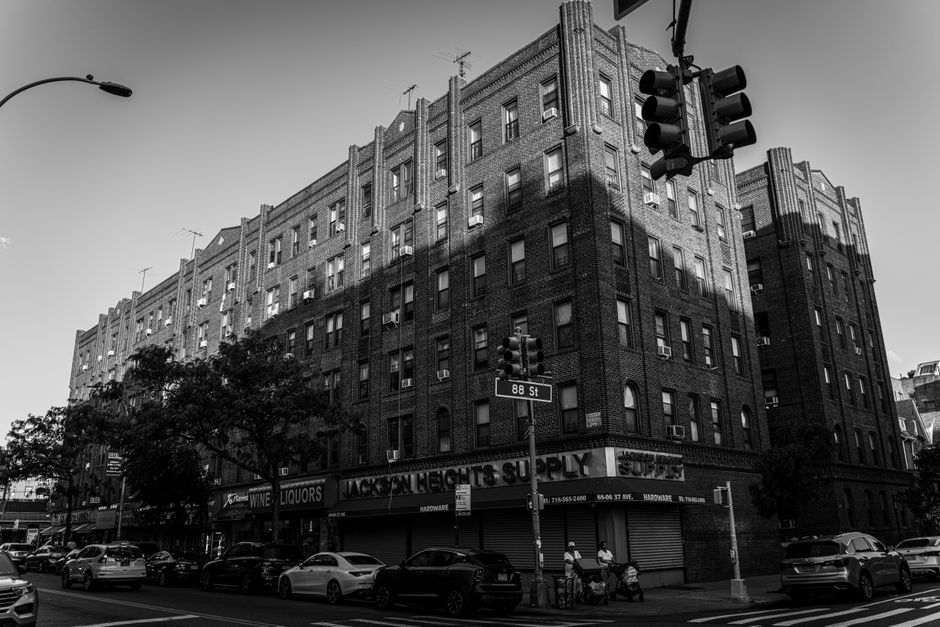
For first-time buyers in 2026, the calculus is unforgiving but not hopeless. Queens neighborhoods—particularly along the 7 train in Woodside and Jackson Heights—still offer modest entry points below $600,000, though bidding wars remain common. Brooklyn's more affordable pockets, including parts of Sunset Park and Red Hook, are appreciating rapidly but remain relatively accessible.
The critical insight: don't wait for prices to fall. Housing authority economists now project continued appreciation of 3-4 percent annually, outpacing wage growth for most households. Buyers capable of securing financing should move decisively; those seeking assistance should investigate city and state down-payment programs through Housing Preservation and Development, which remain underutilized despite expanded eligibility.
The structural answer—dramatically increasing affordable unit production—remains elusive. But tactical positioning now—whether through ADU investment, targeted borough selection, or aggressive pursuit of down-payment assistance—can still make the difference between housing security and perpetual rental precarity.
This article was compiled by AI from the sources linked above and screened before publishing. See our editorial standards.