How New York's Zoning Overhaul Is Reshaping the Rental Map
City planning reforms are driving tenants toward unexpected neighborhoods—and away from Manhattan's stratospheric rates.
City planning reforms are driving tenants toward unexpected neighborhoods—and away from Manhattan's stratospheric rates.
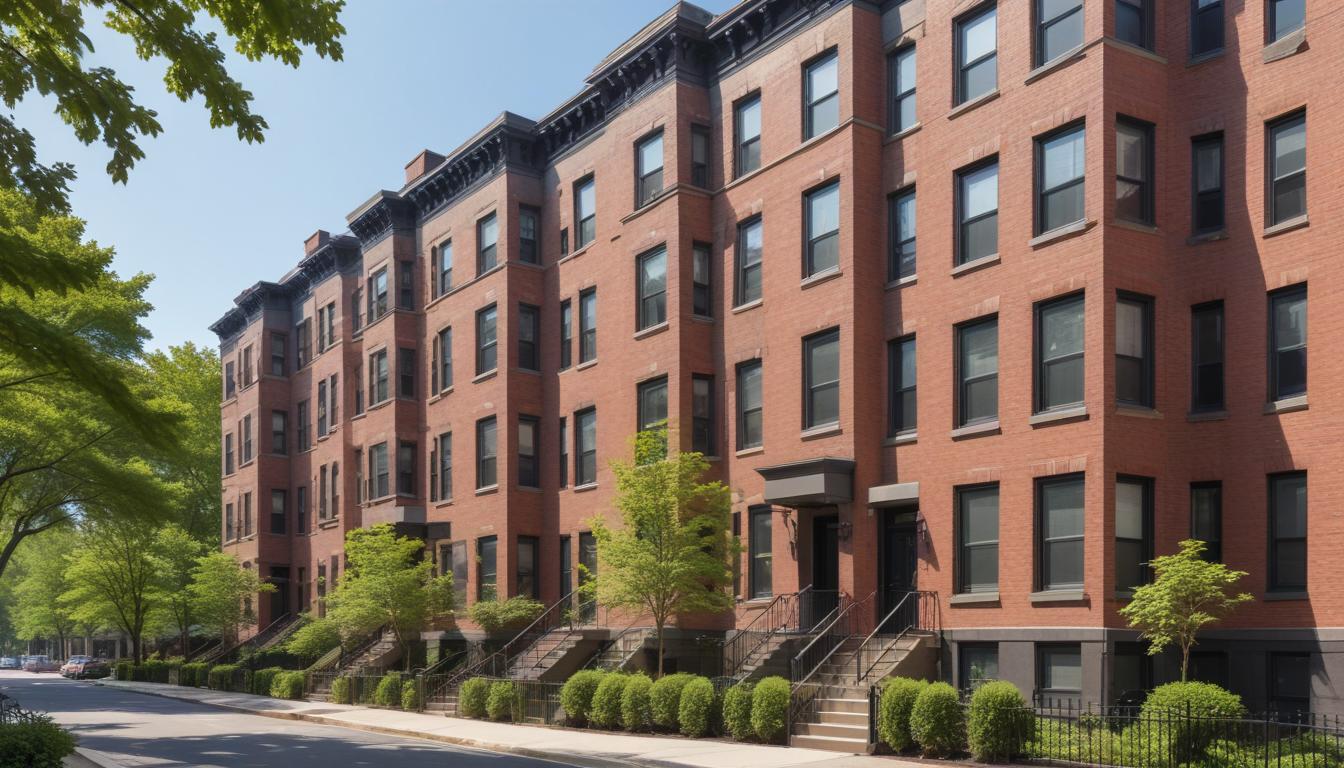
New York's rental market has always been a study in extremes: Manhattan studios commanding $2,800 a month while identical footprints in Astoria go for $1,950. But a series of zoning decisions and regulatory shifts over the past 18 months is fundamentally rewriting which neighborhoods offer genuine value—and which are headed for affordability crisis.
The catalyst has been the city's expansion of as-of-right zoning for accessory dwelling units (ADUs) and the ongoing rezoning initiatives across East New York, Inwood, and parts of Long Island City. These policy changes are accelerating tenant migration patterns in ways that suggest the traditional outer-borough escape route may no longer be the bargain it once was.
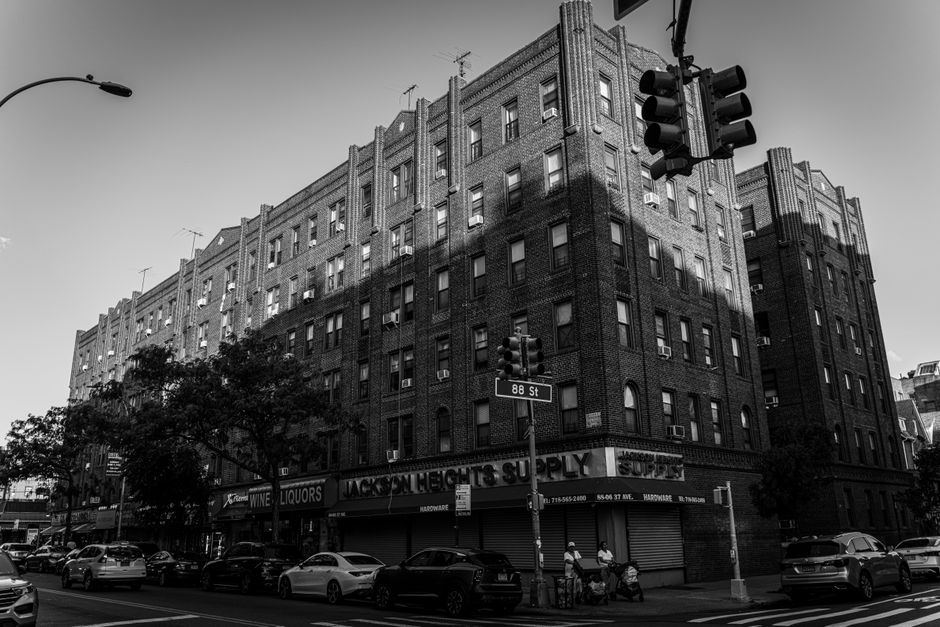
Current median rents tell part of the story. A one-bedroom in Williamsburg averages $2,600; the same unit in Astoria runs $2,100; in Jackson Heights, $1,875. But the trajectory matters more than the snapshot. Areas like Sunset Park and Gowanus—historically affordable—are experiencing double-digit year-over-year increases as developers anticipate upzoning approval. The city's decision to allow more housing density in these neighborhoods has paradoxically accelerated gentrification pressure before new units actually materialize.
Meanwhile, neighborhoods farther from Manhattan's core are experiencing a counterintuitive benefit. The ADU zoning change, which permits homeowners in certain areas to legally add rental units, has stabilized prices in pockets of Bayside, Flushing, and Forest Hills. These areas are now attracting tenants priced out of Brooklyn, though transit connectivity remains a friction point.
The Community Board approval process, which gained new transparency requirements under recent reforms, has also introduced unpredictability. Projects moving through the Department of City Planning now face longer review timelines, meaning speculative rent increases have intensified in neighborhoods awaiting zoning decisions. Landlords in areas facing potential upzoning have already raised rates preemptively.
For renters, the practical implication is clear: neighborhoods 40 to 50 minutes from Midtown via the F train or bus are becoming the new frontier for value. A two-bedroom in Kew Gardens runs roughly $2,200; similar space in Ditmas Park, still underzoned but improving transit access, hovers around $2,350. These represent genuine savings compared to the $3,100+ premium for equivalent space in Park Slope.
The longer game, however, depends on whether new housing supply actually materializes from these rezoning efforts—or whether policy uncertainty simply pushes prices higher across the board. For now, tenants hunting for value should monitor Community Board calendars as closely as rental listings.
This article was compiled by AI from the sources linked above and screened before publishing. See our editorial standards.
How does this story make you feel?
Spread the word
About this article
Published by The Daily New York
Daily brief
Free, in your inbox before 7am. Weekdays.
More in Property