Why NYC Investment Property Yields Are Tightening—And What Smart Buyers Need to Know Now
Rising acquisition costs and regulatory shifts are reshaping the landlord playbook across New York's hottest rental markets.
Rising acquisition costs and regulatory shifts are reshaping the landlord playbook across New York's hottest rental markets.
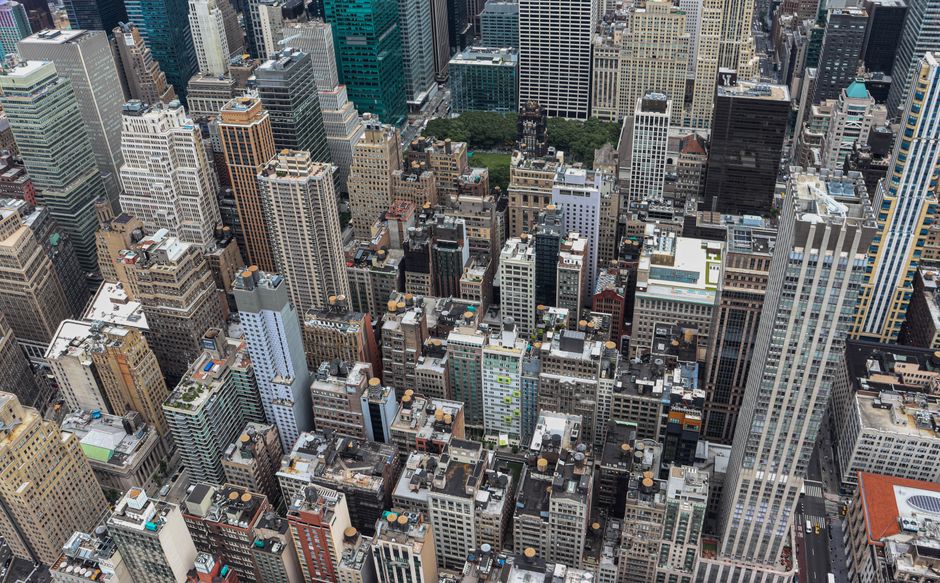
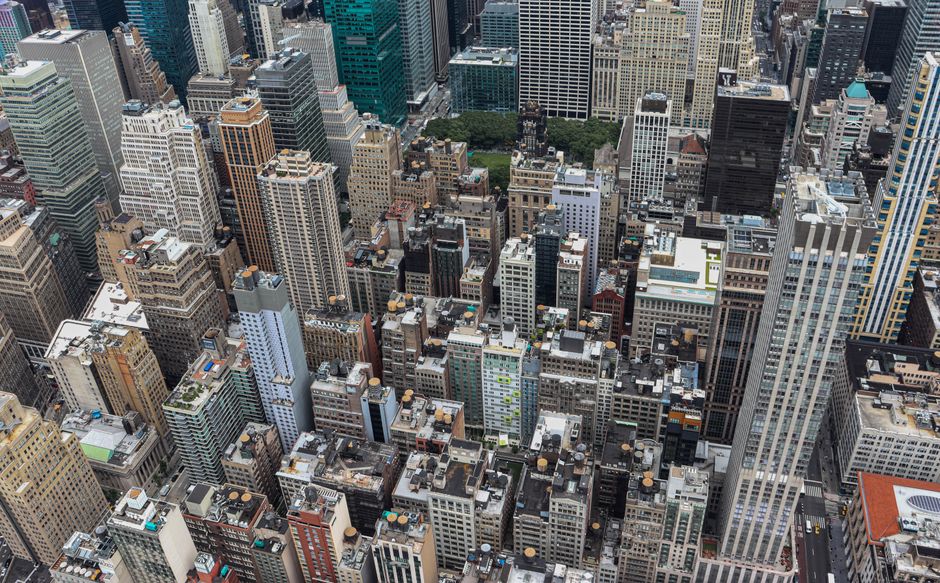
New York's investment property landscape has fundamentally shifted in the past 18 months, and landlords who haven't recalibrated their strategy risk locking themselves into thin margins. The headline story: yields are compressing even as prices remain stubbornly elevated, creating a high-stakes environment where due diligence separates winners from underwater investors.
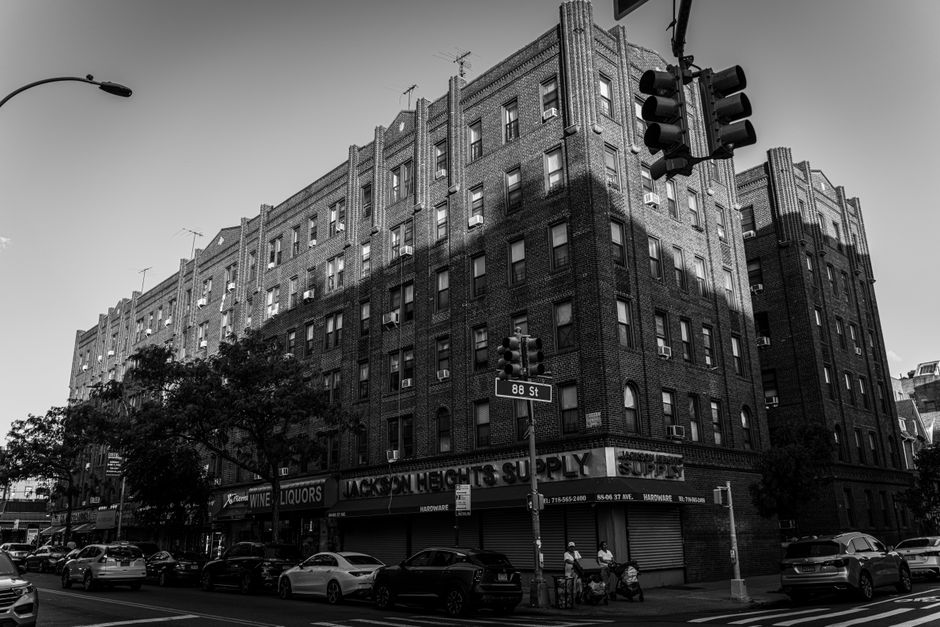
The numbers tell the story. While the NYC median home price hovers around $800,000 citywide, Manhattan multifamily assets are trading at cap rates between 2.5% and 3.5%—well below the historical 4% to 5% norm. Brooklyn neighborhoods like Williamsburg and Park Slope, once considered value plays, now command $950,000 to $1.2 million for modest two-bedroom investment properties, with gross rental yields of just 3.8% to 4.2%. Queens—particularly Astoria and Long Island City—remains marginally more attractive at 4.5% to 5%, but competition from institutional investors has intensified dramatically.
Three macro forces are driving this compression. First, the Federal Reserve's rate environment, while stabilizing, has made debt service more expensive than it was in 2021. Second, New York City's recent Local Law 97 carbon emissions regulations and rising property taxes are eroding net operating income on older stock. Third, a shortage of rental inventory—vacancy rates in Manhattan stand below 2%—has paradoxically inflated purchase prices beyond what rents can justify.
For buyers entering this market now, the implications are stark. The old model of buying a two-family townhouse in Bed-Stuy or a small multifamily in Washington Heights and relying on appreciation to offset modest yields is increasingly risky. Instead, successful investors are targeting: newly rezoned neighborhoods where ADU (accessory dwelling unit) potential hasn't fully priced in; value-add opportunities requiring cosmetic or systems upgrades in outer-borough markets; and longer hold periods—five to ten years minimum—to weather the current yield environment.
Industry organizations like the Real Estate Board of New York have emphasized the importance of stress-testing assumptions. Rising insurance premiums, unpredictable rent regulation changes, and the lingering uncertainty around short-term rental restrictions in certain neighborhoods all demand conservative underwriting.
The takeaway: June 2026 is not a market for passive investors banking on price appreciation. Successful landlords are those who understand their specific neighborhood's regulatory headwinds, have realistic rent growth expectations, and build sufficient equity cushion to weather a potential softening. In today's NYC market, yield discipline isn't just prudent—it's essential.
This article was compiled by AI from the sources linked above and screened before publishing. See our editorial standards.
How does this story make you feel?
Spread the word
About this article
Published by The Daily New York
Daily brief
Free, in your inbox before 7am. Weekdays.
More in Property