What Investor Returns Really Look Like in Today's NYC Market
As rental yields compress and property values stabilize, institutional money is revealing where New York's housing market actually pencils out.
As rental yields compress and property values stabilize, institutional money is revealing where New York's housing market actually pencils out.
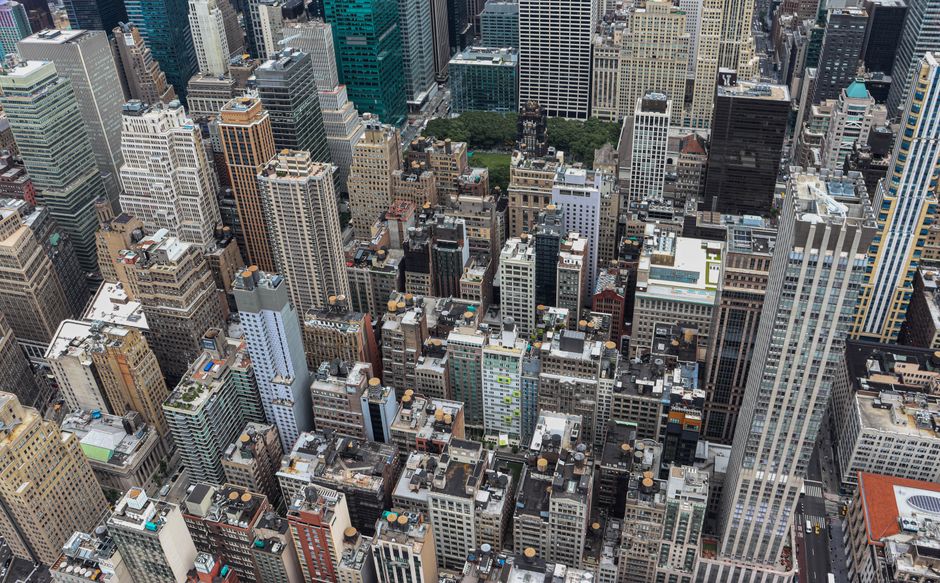
For the first time in a decade, New York's investment property returns are telling a sobering story. While median home prices hover around $800,000 citywide—with Manhattan co-ops and condos commanding $1.3 million and beyond—the actual cash yield investors are pulling from rentals has fallen to levels that demand serious scrutiny.
Recent data from institutional investors tracking rental performance across the five boroughs shows net yields between 2.5 and 3.2 percent annually in prime neighborhoods like Park Slope, Brooklyn and Long Island City, Queens. In Manhattan south of 96th Street, yields have contracted further, often dipping below 2.5 percent once property taxes, maintenance, and vacancy are factored in. Compare that to the S&P 500's historical average return of roughly 10 percent, and the calculus becomes clear: investors are betting on price appreciation, not income.
The squeeze is tightest in Brooklyn's hottest corridors. A two-bedroom in Williamsburg or Greenpoint—neighborhoods that saw median prices climb 18 percent year-over-year through 2025—now generates rental income that barely covers carrying costs. A $1.2 million brownstone with $4,800 monthly rent delivers a gross yield of just 4.8 percent, before expenses.
Queens tells a different story. In neighborhoods like Astoria and Jackson Heights, where median prices remain $600,000 to $750,000, investor yields sit more comfortably between 3.5 and 4.2 percent. It's attracting a different class of buyer—owner-occupants and smaller institutional funds—but the margin for error remains thin.
What's shifting the calculus? Regulatory headwinds are a factor. New York's expansion of accessory dwelling unit zoning and rent-stabilization policies create uncertainty that investors price into valuations. The city's rental market remains robust, with median asking rents in Manhattan now exceeding $3,700 for a one-bedroom, yet conversion to ownership value hasn't tracked proportionally.
Real Estate Board of New York data suggests institutional capital is becoming more selective. Investment sales across the city fell 12 percent in the first half of 2026 compared to the previous year, signaling that yield-focused buyers are waiting for better entry points—or looking elsewhere.
For owner-occupants, this presents opportunity. Investors chasing returns have largely stepped back from residential product, reducing competition at the $500,000 to $900,000 price point where household buyers cluster. That's not a recovery in affordability, but it's a reset in who's buying and why.
This article was compiled by AI from the sources linked above and screened before publishing. See our editorial standards.
How does this story make you feel?
Spread the word
About this article
Published by The Daily New York
Daily brief
Free, in your inbox before 7am. Weekdays.
More in Property