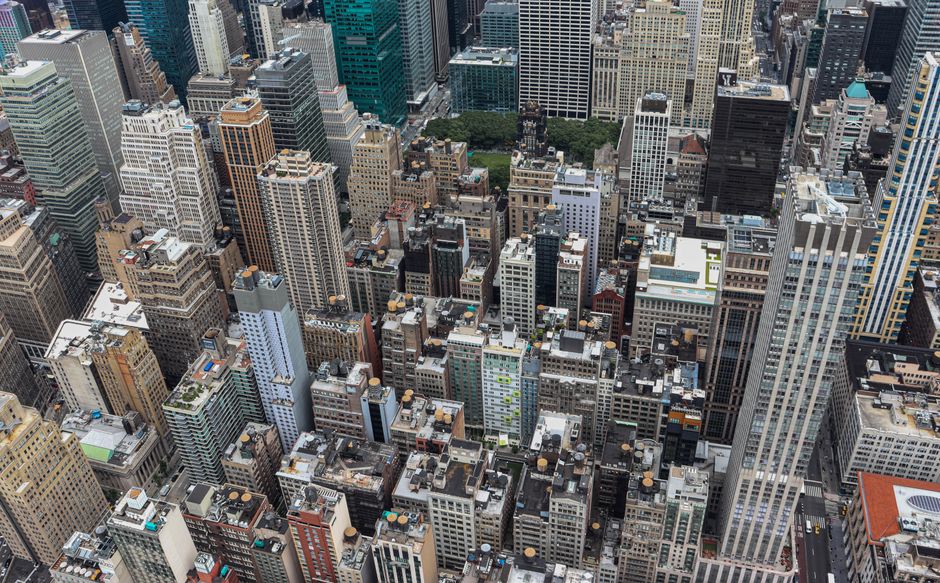
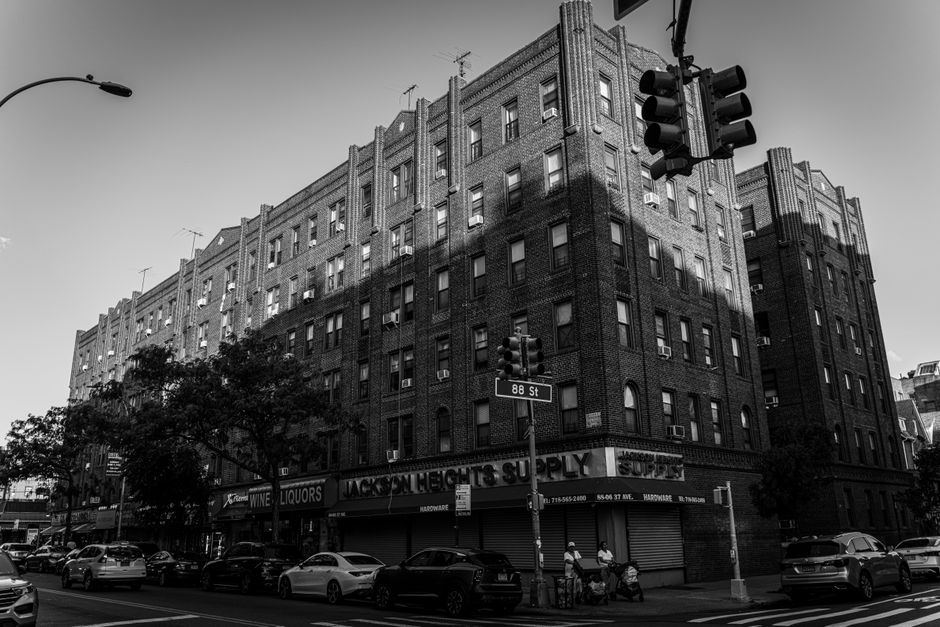
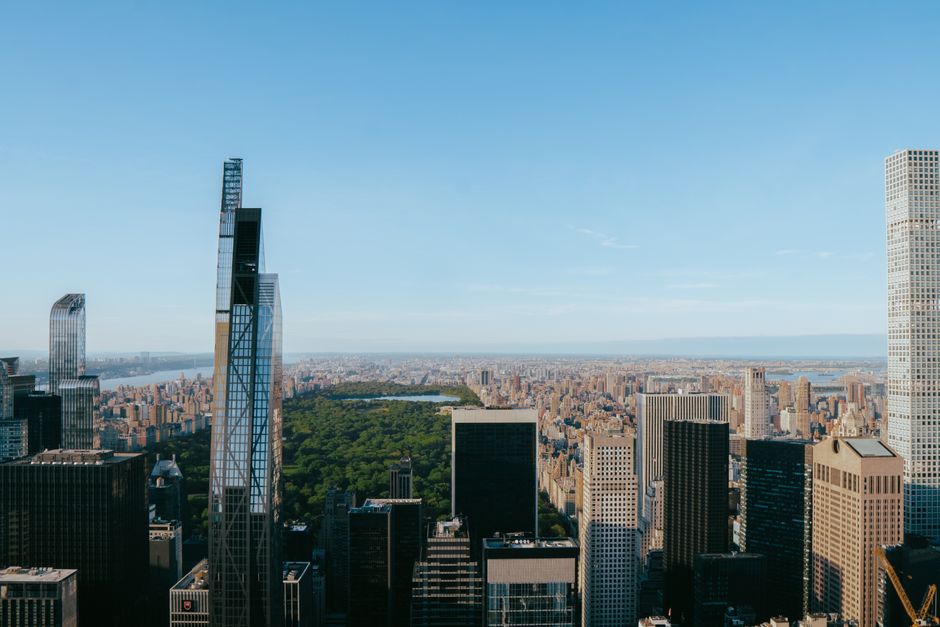
The debate over development in New York City has become increasingly polarized, nowhere more visibly than in neighborhoods like Sunset Park and Jackson Heights, where proposed projects routinely spark heated Community Board meetings and social media campaigns. On one side, residents fight to preserve neighborhood character and prevent displacement. On the other, housing advocates and developers argue that blocking projects worsens the very affordability crisis residents fear.
Recent data underscores the tension. Manhattan's median home price has climbed past $800,000, while Brooklyn and Queens increasingly absorb overflow demand—particularly in areas like Astoria and Long Island City, where median rents now hover around $2,400 monthly. Yet restrictive zoning and community opposition have kept new housing supply artificially constrained, exacerbating the shortage.
"Every new building brings gentrification," is the refrain heard at countless local meetings. Residents cite legitimate concerns: property tax increases, school overcrowding, and the documented pattern whereby new development attracts wealthier residents and pushes out existing communities. In neighborhoods where affordable housing stock is already scarce, the fear is visceral.
But housing economists counter that opposition itself drives prices upward. When developers cannot build, existing housing stock remains finite, making every apartment a bidding war. In this view, blocking a 120-unit mixed-use project on a vacant Williamsburg lot doesn't preserve affordability—it guarantees that only the wealthy will remain.
The stakes feel personal because they are. A family in Ditmas Park watches their property taxes climb 30 percent in five years, making their longtime home unaffordable. Simultaneously, a young couple earning combined $120,000 annually cannot find a one-bedroom within their budget anywhere in the five boroughs.
Smart developers increasingly build in affordable units as conditions for approval—the city now requires 25 to 30 percent affordability in new projects, depending on subsidy levels. This compromise appeals to neither side entirely. Community boards worry it's insufficient; developers say requirements are unsustainable.
The real estate market will ultimately decide much of this. Rising land prices on underutilized sites create irresistible pressure to build. But the neighborhoods that have most successfully managed growth—like parts of Long Island City, where early community engagement shaped development—suggest that opposition itself isn't the problem. Rather, transparency and genuine input earlier in the process matter more than binary yes-or-no fights at final approval stages.
For New York to accommodate growth while preserving neighborhood identity, both sides must accept uncomfortable truths: neighborhoods do change, and restriction alone solves nothing.
This article was compiled by AI from the sources linked above and screened before publishing. See our editorial standards.