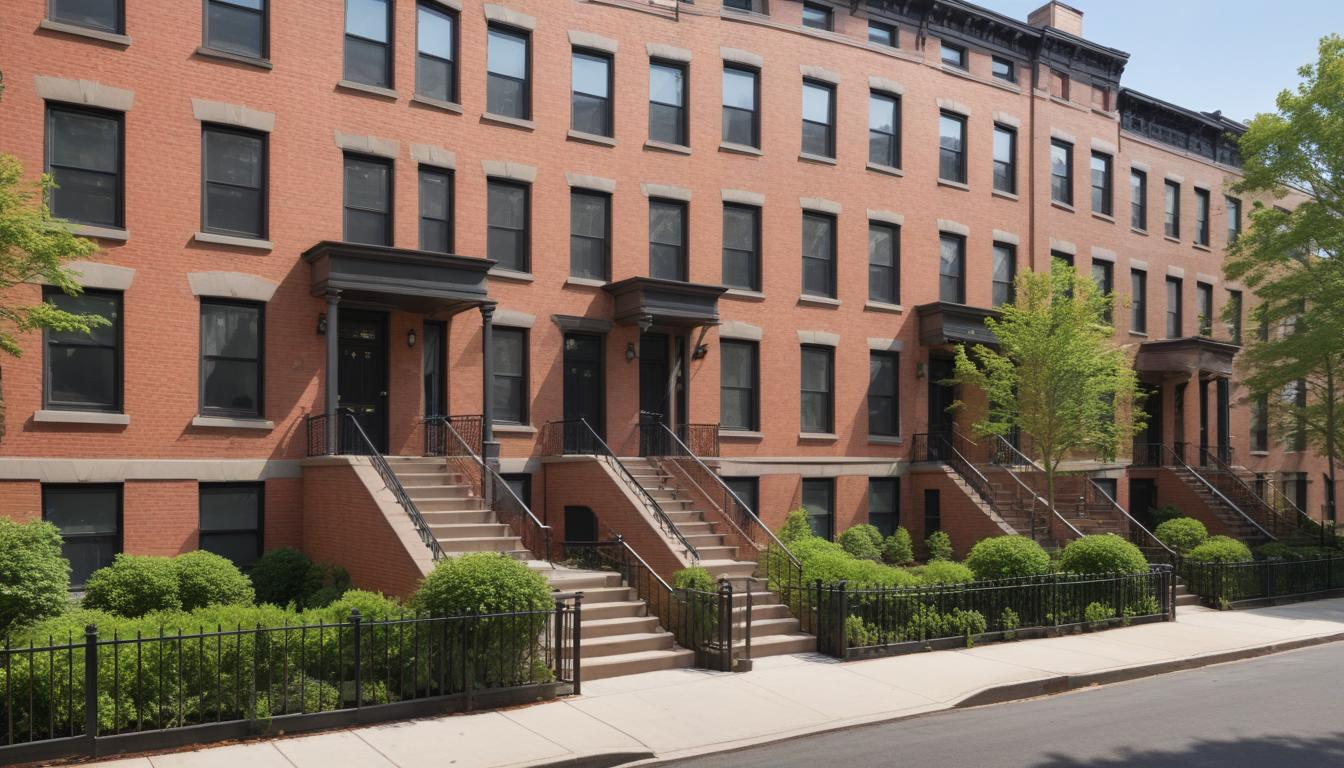
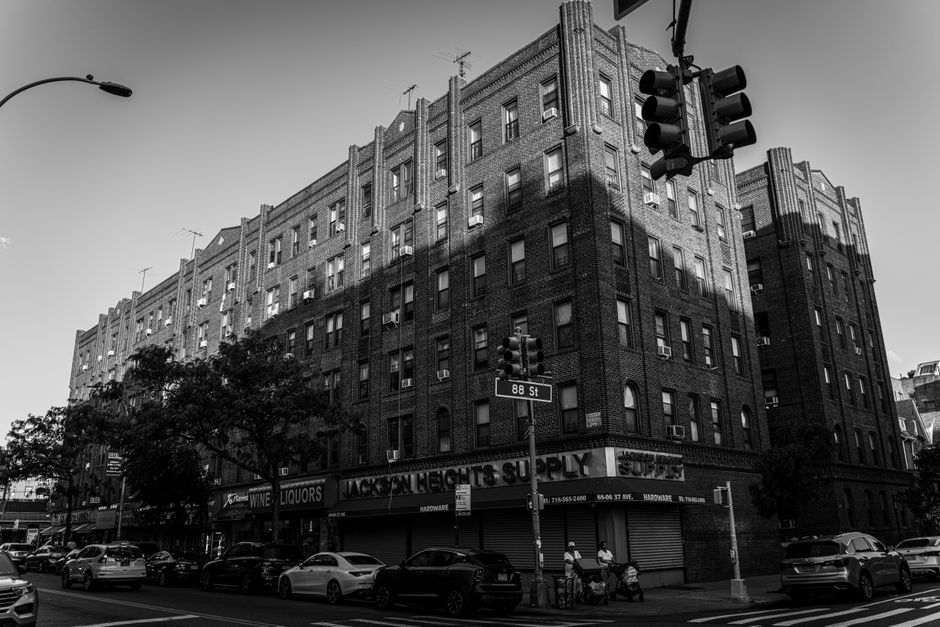
The median home price across New York City has plateaued near $800,000, yet affordable units are vanishing. For first-time buyers and working families, understanding what's driving this paradox is essential to navigating today's fractured market.
Two forces are colliding. On one hand, the city's expanded Accessory Dwelling Unit (ADU) zoning—which now permits backyard apartments across most residential neighborhoods—promised to unlock supply. Early data from Community Board meetings in Astoria, Queens and Park Slope, Brooklyn shows increased applications. But construction costs, permit processing delays, and financing constraints mean few projects close before 18 months. Meanwhile, demand from remote workers fleeing expensive coastal metros continues pushing prices upward, particularly in outer-borough neighborhoods like Red Hook and Long Island City that once offered genuine value.
The other force is regulatory. New York City's revised inclusionary housing requirements now mandate that new residential projects include 25 percent affordable units—up from previous thresholds—or contribute to the housing trust fund. Developers respond by either building fewer total units or seeking tax abatements to offset costs. Either way, the total affordable pipeline shrinks relative to citywide demand.
The result is a tiered market. Manhattan co-op and condo prices have stabilized around $1.3 million-plus, reflecting limited inventory and high capital gains. Brooklyn and Queens have become the contested terrain. A two-bedroom in Williamsburg now averages $950,000; in nearby Greenpoint, $875,000. Yet a comparable unit in Sunset Park or Ridgewood, just miles away, hovers around $650,000—still out of reach for households earning under $100,000 annually.
What buyers should know: first, rental demand remains extraordinarily high, with median rents across the city exceeding $3,200 monthly. This creates investor competition for modest single-family homes and small multifamily buildings. Second, the city's housing trust fund—bolstered by development contributions—is financing new affordable stock in neighborhoods like East Harlem and the South Bronx, but these are long-term plays, not immediate relief. Third, federal down-payment assistance programs through nonprofits like Community Housing Trust and NeighborWorks have expanded, though eligibility is tightening.
For buyers looking now, the math has shifted. Properties within a 15-minute transit radius of Manhattan command premiums that outpace wage growth. Neighborhoods further out—Jamaica, Astoria, Sunset Park—remain relatively accessible but are appreciating faster than the previous cycle. The window for moderate-priced entry points is narrowing as zoning changes take effect and development accelerates.
The city's affordability crisis isn't solved by policy alone. Until construction velocity matches household formation and wages keep pace with prices, knowledge and timing matter more than ever.
This article was compiled by AI from the sources linked above and screened before publishing. See our editorial standards.