First-Time Buyers' Playbook: How to Navigate NYC's Neighbourhood Investment Boom in 2026
With Manhattan prices exceeding $1.3M and outer boroughs surging, here's where emerging buyers can build equity without overstretching.
With Manhattan prices exceeding $1.3M and outer boroughs surging, here's where emerging buyers can build equity without overstretching.
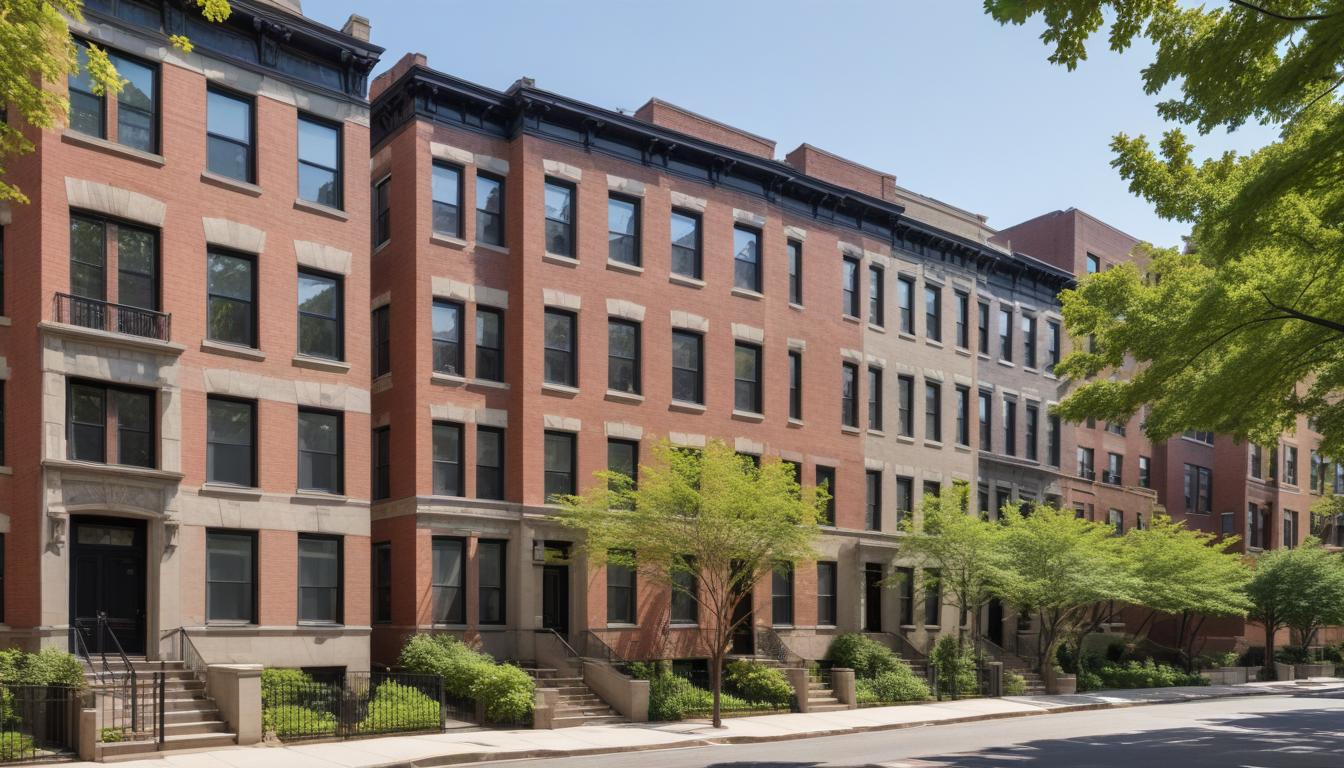
The New York property market has fundamentally shifted for first-time buyers. Manhattan's median for co-ops and condos now hovers above $1.3 million, effectively pricing out traditional entry-level purchasers. Yet opportunity exists—just not where it once did.
The smart play is looking beyond Fifth Avenue. Astoria, Queens, and Sunset Park, Brooklyn, have emerged as the genuine growth corridors. A modest two-bedroom in Astoria near Ditmars Boulevard still hovers around $650,000–$750,000, compared to $1.1 million for comparable square footage in Park Slope just two neighbourhoods south. The Long Island Rail Road extension discussions and new commercial development along Queens Boulevard are driving quiet appreciation without the speculative frenzy that characterised Williamsburg five years ago.
Sunset Park tells a similar story. Proximity to Brooklyn's waterfront—and the ongoing reclamation of Bush Terminal—means properties west of Fifth Avenue are appreciating at roughly 4–5% annually. A one-bedroom starter unit runs $520,000–$620,000, accessible for buyers with combined household income above $120,000 and 15–20% down payment saved.
For those with slightly deeper pockets, Bay Ridge and Bensonhurst offer genuine value. Yes, the neighbourhoods lack the cultural cachet of Greenpoint, but their housing stock is predominantly single and two-family homes. First-time buyers with renovation appetite can acquire a semi-detached property for $800,000–$950,000, live in one unit, and rent the other—effectively subsidising their mortgage while building equity. The M train's expansion plans, still uncertain, haven't yet inflated prices here.
The practical roadmap: Get pre-approved early. Lenders now require 750+ credit scores for competitive rates; even modest blemishes cost you 0.5% on a mortgage. Second, accept that your first property likely won't be your forever home. Building $150,000–$200,000 equity over five years in an up-and-coming pocket, then selling to upgrade, is the realistic wealth-building trajectory for household incomes under $250,000.
Finally, use local resources. The Community Development Trust and local Community Boards maintain up-to-date data on zoning changes and neighbourhood infrastructure investments. The city's expanded Accessory Dwelling Unit programme also means some properties now have secondary income potential—a major lever for first-time buyers stretching their budgets.
The median NYC home price of $800,000 is no mirage. It's simply concentrated in outer boroughs and secondary neighbourhoods where the real appreciation happens. First-time buyers who buy for location stability rather than hype will find 2026 a reasonable entry point—just not in the places your parents bought thirty years ago.
This article was compiled by AI from the sources linked above and screened before publishing. See our editorial standards.
How does this story make you feel?
Spread the word
About this article
Published by The Daily New York
Daily brief
Free, in your inbox before 7am. Weekdays.
More in Property