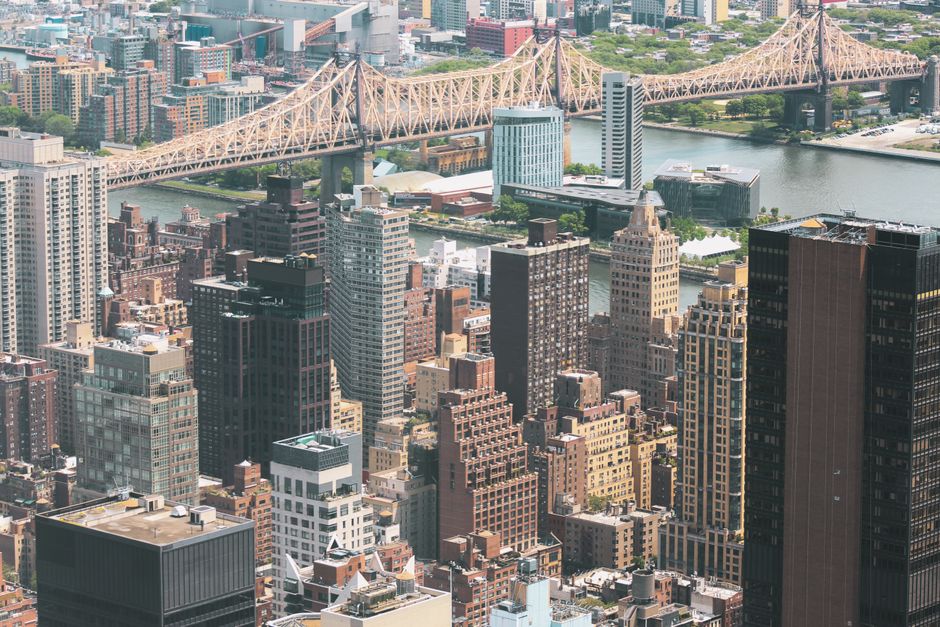
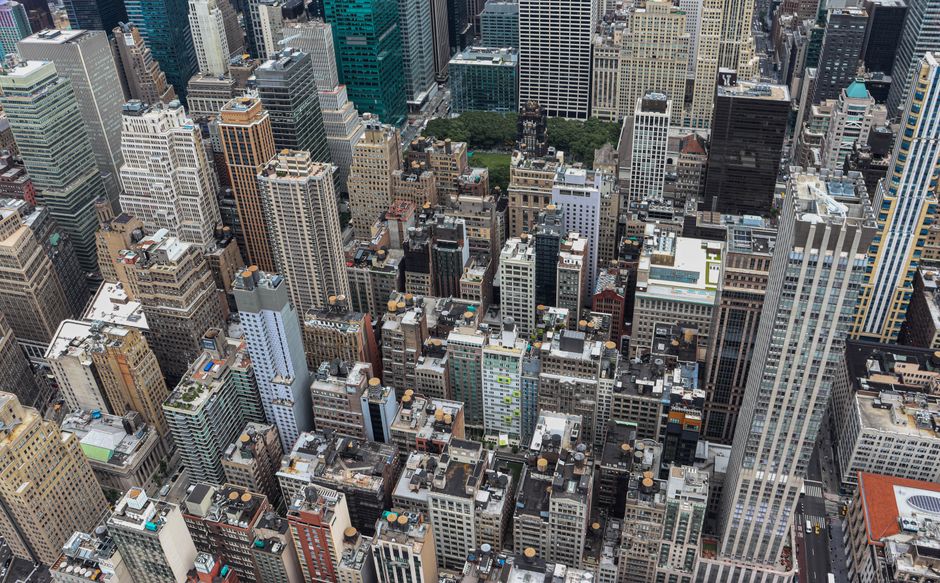
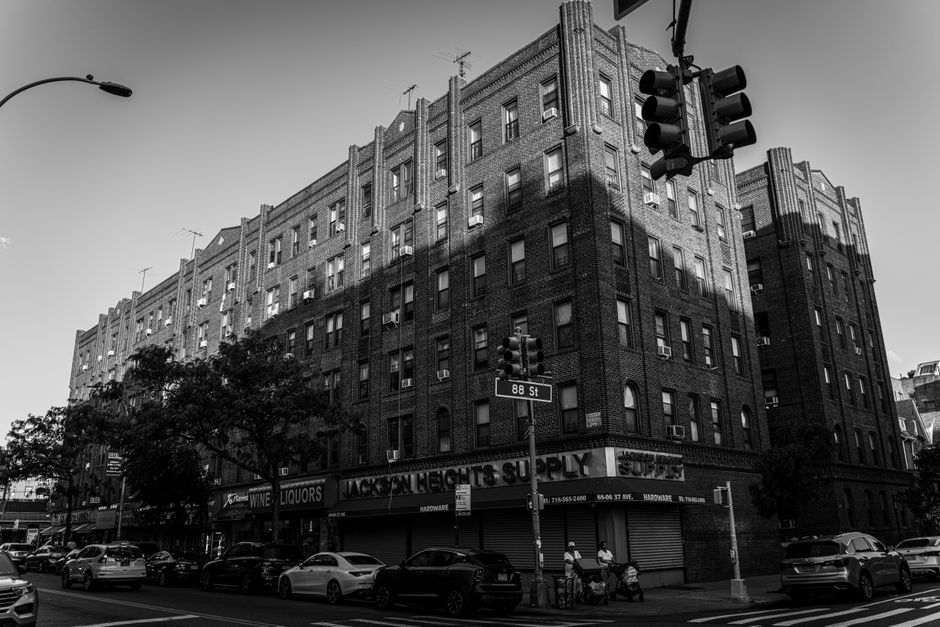
Long Island City's Industrial Waterfront Becoming New York's Next Investment Powerhouse
As Manhattan prices surge past $1.3 million and Brooklyn gentrification peaks, savvy investors are turning to Queens' rapidly transforming waterfront corridor.
As Manhattan prices surge past $1.3 million and Brooklyn gentrification peaks, savvy investors are turning to Queens' rapidly transforming waterfront corridor.
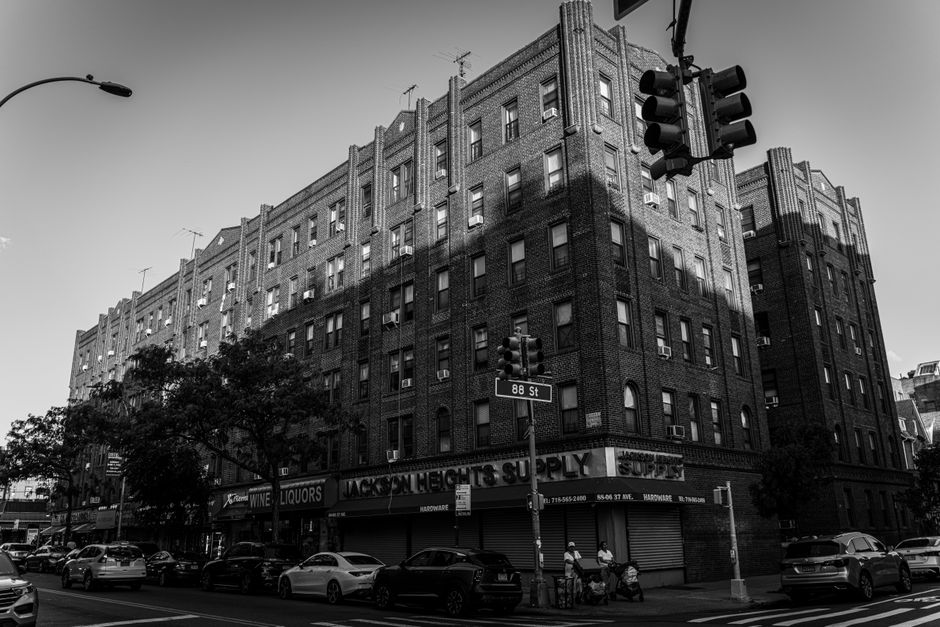
For years, Long Island City was synonymous with warehouses, parking lots, and forgotten industrial spaces. Today, the Queens neighborhood has become the city's most compelling investment thesis—a rare pocket where institutional capital, infrastructure investment, and genuine housing scarcity are converging to reshape the entire borough's trajectory.
The numbers tell a striking story. While Manhattan median prices hover near $1.3 million and Brooklyn's Park Slope and Williamsburg markets have cooled considerably, Long Island City properties along the East River have appreciated 23% over the past 18 months. A two-bedroom conversion loft that sold for $680,000 in early 2024 is now valued at $840,000. New development pricing along Jackson Avenue and Court Square has climbed to $1,150 per square foot—still 35% below comparable Manhattan addresses, yet with dramatically improved transit and cultural amenities.
What's driving this shift? The opening of the Queensboro Plaza station overhaul, expected completion of the Long Island City Waterfront Greenway, and Amazon's expanding presence in the neighborhood—despite the company's pandemic-era hesitation—has signaled long-term confidence. The Queens Museum, relocated to a refurbished 1964 World's Fair building, has become a genuine cultural anchor. Restaurants like Astead and Rezdôôd have attracted serious dining attention beyond the Manhattan establishment.
Real estate firms report that investor inquiries for Long Island City multifamily developments have tripled since early 2025. Developers are increasingly targeting young professionals and families priced out of Brooklyn—the same demographic that made Williamsburg unaffordable a decade ago. The transit advantage is undeniable: direct N, W, and Q train access to Midtown Manhattan in under 15 minutes rivals much of outer Brooklyn.
However, affordability concerns persist. Despite lower prices than Manhattan, Long Island City's median rent of $2,850 for a one-bedroom represents a 41% increase since 2022. Local advocates argue that without substantial affordable housing mandates on new development, the neighborhood risks repeating Brooklyn's gentrification cycle—rapid appreciation followed by community displacement.
The City Council's expansion of accessory dwelling unit (ADU) zoning has opened modest opportunities for smaller-scale investment along the neighborhood's quieter blocks near Astoria Boulevard. But institutional money is focused on larger parcels near the waterfront, where the conversion calculus favors deep-pocketed players.
For investors watching Manhattan saturation and Brooklyn maturation, Long Island City represents a calculated risk with asymmetric upside—provided the neighborhood can balance growth with genuine affordability. The real question isn't whether prices will rise further. It's whether Long Island City's working-class roots will survive the investment boom.
This article was compiled by AI from the sources linked above and screened before publishing. See our editorial standards.
How does this story make you feel?
Spread the word
About this article
Published by The Daily New York
Daily brief
Free, in your inbox before 7am. Weekdays.
More in Property