Why NYC Housing Prices Keep Climbing—and What Smart Buyers Should Do Now
Remote work, limited inventory, and shifting neighbourhood demand are reshaping the market in unexpected ways heading into summer 2026.
Remote work, limited inventory, and shifting neighbourhood demand are reshaping the market in unexpected ways heading into summer 2026.
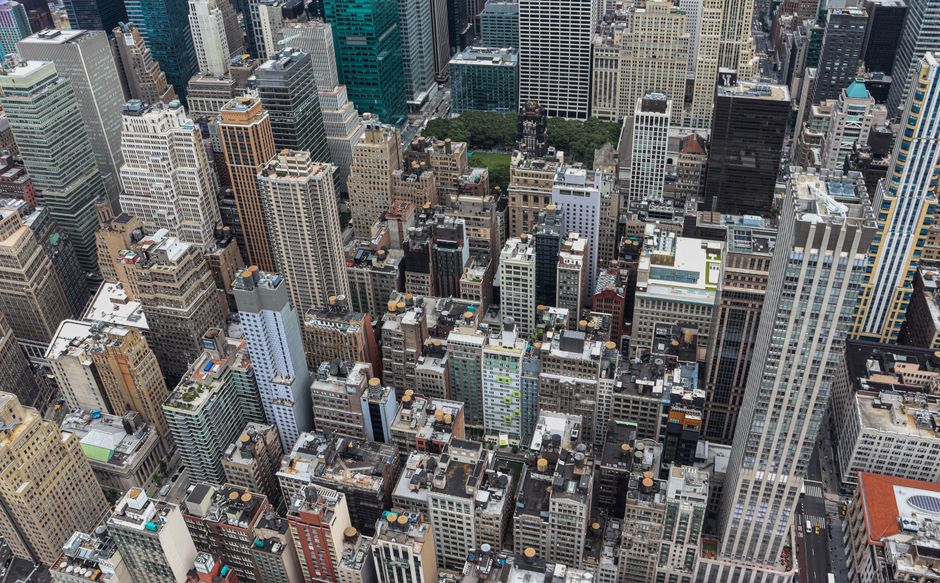
New York's housing market remains locked in an affordability squeeze, but the drivers behind today's prices tell a more nuanced story than simple supply-and-demand shortages. Understanding what's actually fueling costs—and where opportunities still exist—matters for anyone considering a purchase in 2026.
Manhattan continues to command premium valuations, with co-op and condo medians hovering above $1.3 million. Yet the real action is elsewhere. Brooklyn and Queens have become the de facto testing ground for what happens when institutional investors, remote workers, and first-time buyers converge. Williamsburg warehouses converted to residential lofts now routinely exceed $1.8 million, while Long Island City developments—anchored by the Queens Plaza subway hub and proximity to Manhattan—are drawing down-payment-stretched professionals willing to trade commute time for square footage.
The persistent remote-work phenomenon remains underestimated. Families who secured flexible arrangements post-pandemic are now competing for three-bedroom homes in neighbourhoods like Park Slope and Astoria, where space-to-dollar ratios are more forgiving than Manhattan. This migration has pushed median prices across outer boroughs to levels that would have seemed impossible five years ago, even as Manhattan itself has stabilised somewhat following the 2023-2024 volatility.
Limited inventory is real but not uniform. Rent-regulated properties remain locked in place; owners sitting on stabilised units have little incentive to sell. Meanwhile, new development has accelerated in emerging areas—Sunset Park's waterfront rezoning is drawing speculative interest, and Astoria's industrial-to-residential conversion continues unchecked. These pockets absorb some demand but often price in future appreciation rather than current value.
For buyers navigating this landscape, timing and geography matter more than ever. The $800,000 median across the city masks vast regional variation. Negotiation room exists in neighbourhoods one subway stop beyond the obvious choices: Sunnyside, Corona, and certain blocks of Sunset Park still offer entry points for serious buyers willing to do homework. Manhattan co-ops, meanwhile, remain transaction-heavy but less competitive than 18 months ago, partly because board approval timelines and maintenance fees have finally deterred some speculative interest.
Rising interest-rate volatility—and mortgage accessibility—now compete with real estate fundamentals as price drivers. Buyers approved for 30-year mortgages at today's rates are effectively paying more per month than those from 2021, shrinking the pool of qualified purchasers without corresponding price reductions.
The takeaway: prices aren't falling citywide, but momentum has fractured. The smart move is hyperlocal analysis—talk to brokers about actual sales in specific buildings and blocks, not neighbourhood trends. Institutional capital is still active, but retail buyers retain leverage in less-glamorous corridors. Patient money wins in 2026.
This article was compiled by AI from the sources linked above and screened before publishing. See our editorial standards.
How does this story make you feel?
Spread the word
About this article
Published by The Daily New York
Daily brief
Free, in your inbox before 7am. Weekdays.
More in Property