Woodside Surges Ahead: New LIRR Hub and Zoning Overhaul Power Queens' Growth Corridor
Transit upgrades and rezoning are reshaping Woodside, turning this Queens enclave into New York’s latest investment hotspot.
Transit upgrades and rezoning are reshaping Woodside, turning this Queens enclave into New York’s latest investment hotspot.
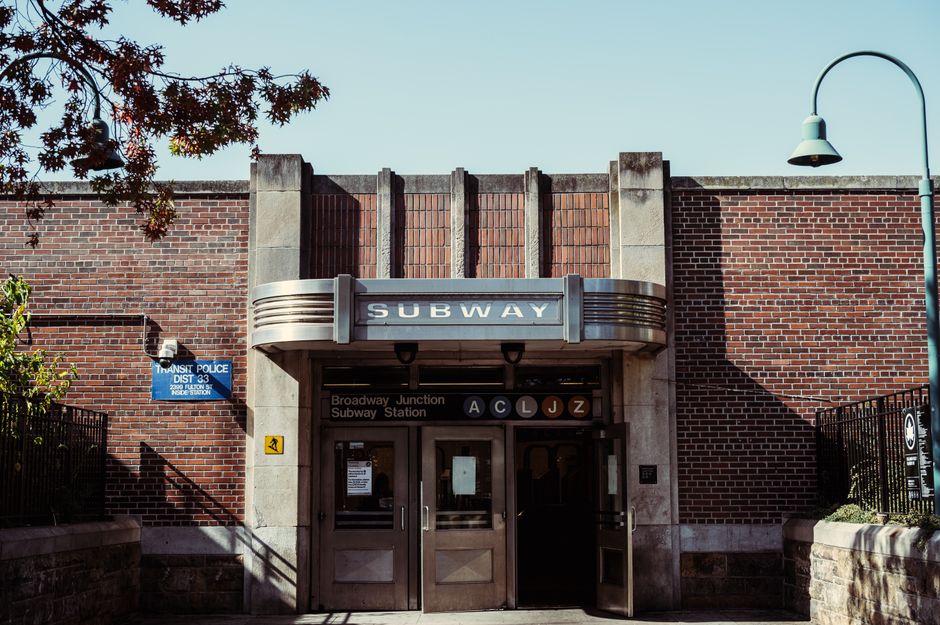
Construction cranes and hard hats are now a familiar sight on Roosevelt Avenue, where the new Woodside-61st Street Long Island Rail Road station expansion is taking shape. The $355 million project is at the heart of a transformation that’s rapidly changing the fortunes of this once-overlooked Queens suburb, catapulting it into the city’s top growth corridor for property investors in 2026.
This matters now more than ever in a city beset by sky-high rents and limited inventory. As Manhattan’s co-op and condo prices push $1.3 million and Brooklyn bids up its hip neighborhoods, developers and buyers are hunting for the next accessible, affordable pocket with strong upside. Woodside, long seen as a commuter passage, is finally stepping into the spotlight, drawing attention thanks to aggressive local infrastructure investment and rezoning initiatives.
Behind the sudden surge sits a confluence of infrastructure and policy changes. The Metropolitan Transportation Authority’s (MTA) expansion at the Woodside LIRR/7 train hub is well underway, with a new concourse, lifts, and direct access tunnels slated for completion in late 2027. This station serves as a key interchange for western Queens, linking local subways to the growing regional rail network. "We’re already seeing foot traffic rise along Roosevelt and 61st—retailers are eying newly vacated ground floors," said a spokesperson from the Woodside on the Move community development group.
Zoning is changing too. Last winter, Community Board 2 approved a new mixed-use overlay for Roosevelt Avenue from 58th to 70th Street, enabling higher-density housing and retail. The city’s Accessory Dwelling Unit (ADU) pilot is allowing homeowners from Laurel Hill Boulevard down to Broadway to add legal garden apartments or rooftop studios, bringing much-needed rental supply online while giving local homeowners new revenue streams.
The numbers back up the buzz. Median sale prices in Woodside jumped 12.5% year-over-year to $730,000 as of June, according to listings aggregator StreetEasy. Two-bedroom co-ops along Skillman Avenue are now routinely asking $600,000 or more—as recently as 2022, similar units sold for under $480,000. On the rental side, new ADU units are fetching $2,000 to $2,500 per month, data from NYC Department of Housing Preservation and Development shows.
“The neighborhood’s changed more in two years than in the previous decade,” said one longtime local real estate agent. With the city’s $113 million multi-use trail project also underway along the Long Island Rail Road embankment, developers expect even more investment momentum over the next 18 months.
For buyers and investors, Woodside’s advantage is clear: transit access, fresh housing stock, and room for growth. But competition is heating up fast. Those eyeing new condos and ADU conversions should move quickly, as city permit applications spiked 18% in the first half of 2026, according to the Department of Buildings. With zoning reforms and MTA works on track, the window for affordable entry into Woodside’s growth corridor is closing faster than many expected.
How does this story make you feel?
Spread the word
About this article
Published by The Daily New York
Daily brief
Free, in your inbox before 7am. Weekdays.
More in Property