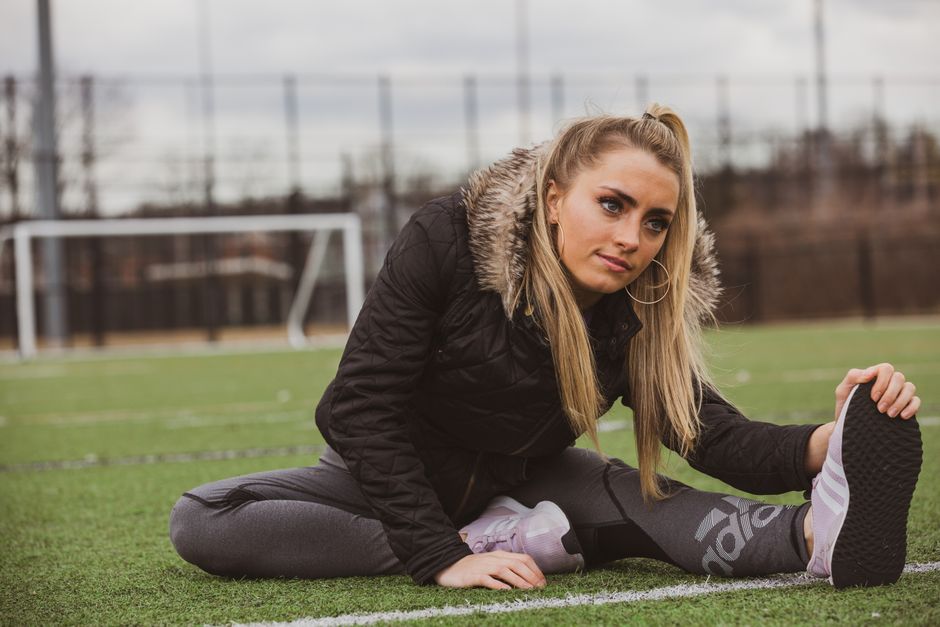
On any given Saturday morning, Astoria Park erupts with the sound of whistles and cheering families. It's the familiar scene of New York City soccer at its most authentic—not the polished MLS spectacle at Yankee Stadium, but the scrappy, vital game that's reshaping how communities connect across the five boroughs.
The New York City Soccer League, operating since 1994, now coordinates over 300 teams across 45 neighborhoods, registering more than 8,000 youth players annually. That explosive growth reflects something larger: local clubs have become social anchors in ways that transcend the 90-minute match.
In Washington Heights, the Dominican-American Sports Association has transformed vacant lots along 155th Street into regulated fields. The organization reports serving 2,400 youth players this season, many from families earning under 300 percent of the federal poverty line. Participation fees cap at $85—roughly half the citywide average for competitive youth leagues—making the sport genuinely accessible.
"Soccer became our gathering point," explains Maria Flores, who coordinates programming for the DASA. Her organization now runs after-school training three days weekly, nutrition workshops monthly, and college recruitment sessions for promising adolescents. Three DASA alumni signed NCAA Division III scholarships last year.
The economic ripple effects are tangible. Local equipment vendors on Roosevelt Avenue in Jackson Heights report 40 percent increases in cleats and shin guard sales since 2023. Family restaurants near Pelham Bay Park in the Bronx have become pre-match gathering spots, with Spanish and Portuguese-language menus reflecting the sport's multicultural footprint.
Even established professional infrastructure is noticing. The New York Red Bulls' community outreach coordinator confirmed 17 partnerships with neighborhood clubs in 2025—up from four in 2022. These partnerships provide coaching clinics, equipment donations, and field access for underserved areas.
The infrastructure challenges remain real. Maintenance budgets for city-maintained fields haven't scaled with demand. Overcrowding at major venues like Randall's Island forces many clubs to negotiate field time at 6 a.m. or after 8 p.m. Youth development remains inconsistent across neighborhoods, with East New York and parts of the South Bronx still underserved.
Yet the momentum is undeniable. These aren't headline-grabbing achievements. They're Wednesday evening training sessions where immigrant and native-born kids share a ball. They're parents discovering community through sideline friendships. They're young athletes learning that their neighborhood, their street, their park matters enough to invest in.
In a city perpetually chasing the next sensation, New York's local soccer clubs are proving that sometimes the most powerful stories happen at ground level.
This article was compiled by AI from the sources linked above and screened before publishing. See our editorial standards.