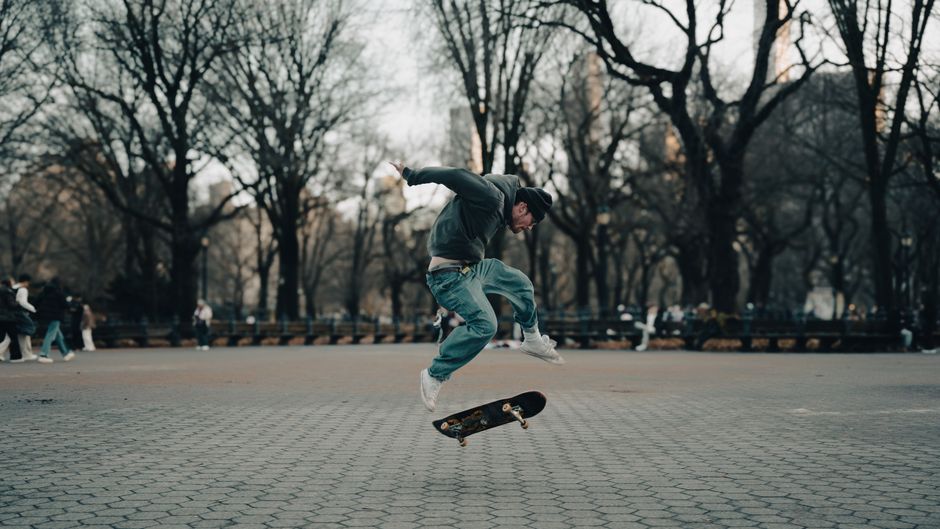
On a Wednesday evening in Astoria, Queens, the blacktop courts at Rainey Park buzz with controlled chaos. Forty teenagers weave between cones, their sneakers pounding the surface as volunteer coaches bark encouragement. There's no corporate sponsorship banner, no state-of-the-art scoreboard—just a community committed to keeping youth sport alive at ground level.
This is where New York's grassroots sport movement thrives. While elite academies and travel teams dominate headlines and extract thousands from families annually, neighbourhood clubs operating on shoestring budgets are democratizing athletics for working-class kids who might otherwise sit on the sidelines.
"We serve about 200 kids across three sites," explains a coordinator at East Harlem Youth Sports, which operates free basketball and soccer programmes across Manhattan. "Families here aren't paying $3,000-a-year club fees. We can't do that. We're funded through city grants, local fundraising, and honestly, our volunteers' own pockets."
The numbers tell a stark story. According to the New York City Parks Department, roughly 85,000 young people participate in free or heavily subsidised city recreation programmes annually—a critical lifeline in a city where youth sports participation among low-income families has declined 23% over the past decade, displaced by rising costs and commercial privatisation.
Sunset Park's Latinos in Action programme operates five neighbourhood sites using converted schoolyards and donated equipment. They've trained 47 volunteer coaches—mostly parents and former athletes—who guide children through football, basketball, and cricket. The investment per child is minimal; the return is immeasurable.
"These aren't just programmes," says a youth development worker who coordinates outreach in Washington Heights. "They're anchors. Kids here get structure, mentorship, belonging. Many have family instability or housing insecurity. Sport becomes this constant."
The movement faces real constraints. City funding for recreation centres has plateaued while maintenance costs soar. The 67 city recreation centres now serve fewer kids than five years ago, despite growing demand. Volunteer burnout is endemic—coordinators juggle day jobs with evening coaching responsibilities.
Yet momentum persists. Community groups from the South Bronx to Bay Ridge are expanding offerings, adding esports alongside traditional sports, recognising how digital-native kids engage differently. Social media organising has amplified fundraising capacity; micro-grants from neighbourhood foundations have multiplied.
As commercial youth sports calcify into an enterprise accessible mainly to affluent families, these grassroots movements remind us what sport's original purpose was: community building, skill development, and joy—freely available to all.
This article was compiled by AI from the sources linked above and screened before publishing. See our editorial standards.