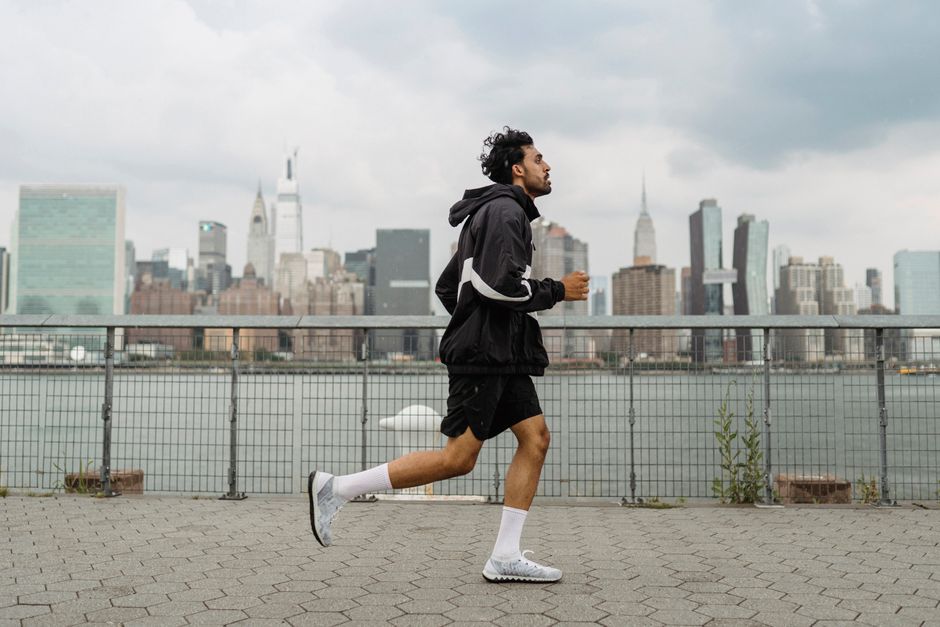
When the Hudson River Greenway expanded to 32 miles of continuous bikeway along Manhattan's western edge, it fundamentally changed the calculus for New York's endurance athletes. Today, that ribbon of asphalt—stretching from Battery Park to the Bronx—serves as the circulatory system for tens of thousands of cyclists and runners training for marathons, triathlons, and ultra-distance events.
"The infrastructure matters more than people realize," says the New York Running Club, which has seen membership climb 28 percent over the past four years. The organization's training groups regularly converge at Central Park's redesigned running paths, where the Jacqueline Kennedy Onassis Reservoir loop remains a pilgrimage site for serious runners, while newer routes through the Ramble and Great Lawn accommodate everyone from casual joggers to sub-three-hour marathoners.
Brooklyn has emerged as an unexpected triathlon hub. Prospect Park's 3.35-mile loop, once dominated by recreational runners, now hosts structured speed-work sessions and beginner-friendly training groups multiple evenings weekly. The park's Prospect Park Alliance has invested in better lighting, improved water stations, and clearer mile markers—modest upgrades that have attracted cycling clubs and triathlon teams from across the region.
For swimmers, the landscape remains more complicated. While Central Park's Loeb Boathouse and several YMCA locations on the Upper West Side and in Brooklyn offer pool access, open-water swimming remains limited to regulated seasons. This summer, the city expanded monitored swimming areas in Prospect Park and Astoria Pool in Queens, responding to demand from the growing triathlon community.
The real game-changer has been the emergence of boutique endurance coaching studios in neighborhoods like Williamsburg, Park Slope, and the Upper West Side. These facilities—combining gym equipment, cycling studios, and coaching expertise—fill gaps that traditional gyms overlook. Monthly memberships range from $200 to $400, reflecting New York's premium fitness market while remaining accessible to committed amateurs.
Infrastructure investments continue. The Tribeca Bridge Project promises to connect Manhattan's eastern waterfront to the Hudson Greenway, potentially creating a circumnavigating loop. Meanwhile, the city's Department of Parks and Recreation has committed to adding 50 miles of protected bike lanes over the next three years, with priority corridors in underserved neighborhoods across the Bronx and Staten Island.
For endurance athletes, New York's infrastructure story reflects a broader shift: the city is no longer content hosting world-class marathons and triathlons once yearly. It's building the everyday pathways, facilities, and resources that transform casual runners into serious competitors—and turn the five boroughs into a year-round training destination.
This article was compiled by AI from the sources linked above and screened before publishing. See our editorial standards.