The numbers tell a story that surprises few who work in youth sports: participation in traditional team sports across New York City's grassroots programs has remained relatively flat over the past three years, hovering around 42 percent of school-age children, while individual fitness activities—think CrossFit kids classes, rock climbing gyms, and parkour studios—have surged by nearly 18 percent, according to data compiled by the NYC Parks Department and cross-referenced with Youth Sports Trust surveys conducted this spring.
What's driving this shift? Accessibility, cost, and the relentless pace of city life offer clues. A standard youth soccer or baseball season in outer boroughs like Forest Hills or Park Slope runs $180 to $320 per child. In Manhattan's more upscale neighborhoods—where families can access programs through institutions like the 92nd Street Y or Chelsea Piers—costs can easily triple. Meanwhile, a single drop-in session at a climbing gym in Long Island City or a skateboard park in Sunset Park averages $15, with no seasonal commitment required.
"Parents want flexibility," explains the emerging pattern in enrollment data. Families juggling multiple children, irregular work schedules, and transit times across the sprawling city increasingly favor activity-based participation over league structures that demand 12-week commitments and weekend tournament travel.
The disparities are geographically stark. The Bronx and central Brooklyn show the lowest youth sports club enrollment—roughly 28 percent—while neighborhoods with stronger institutional support and higher median household incomes, such as Forest Hills, Park Slope, and the Upper West Side, exceed 55 percent. Community centers like Asphalt Green on the East Side and programs in Prospect Park have managed to buck trends by keeping costs under $150 per season, yet they report waitlists.
Perhaps most telling: digital fitness communities—YouTube workout channels, app-based coaching, and online gaming leagues—now engage an estimated 31 percent of city youth, a category that barely existed in grassroots tracking five years ago.
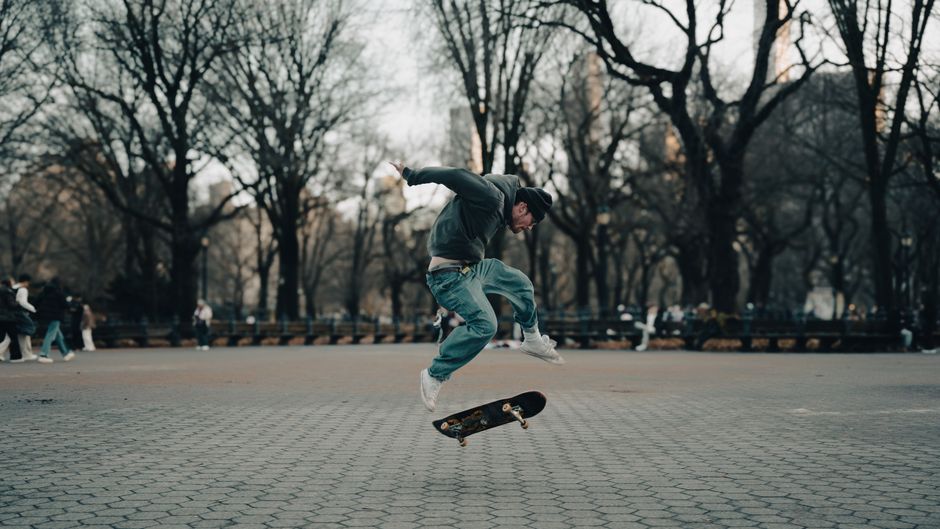
For club directors and Parks Department officials, the message is clear. Young New Yorkers haven't abandoned physical activity; they've simply redefined it. The institutions that survive and thrive will be those that adapt: offering flexible scheduling, transparent pricing, and recognition that a kid logging hours at a Williamsburg skateboard park is just as invested in fitness culture as one suiting up for a Sunday league match in Central Park.
This article was compiled by AI from the sources linked above and screened before publishing. See our editorial standards.