New York's Amateur Sports Boom: What Rising League Participation Reveals About Our Fitness Culture
Data from recreational clubs across the five boroughs shows a dramatic shift in how New Yorkers prioritize health and community.
Data from recreational clubs across the five boroughs shows a dramatic shift in how New Yorkers prioritize health and community.
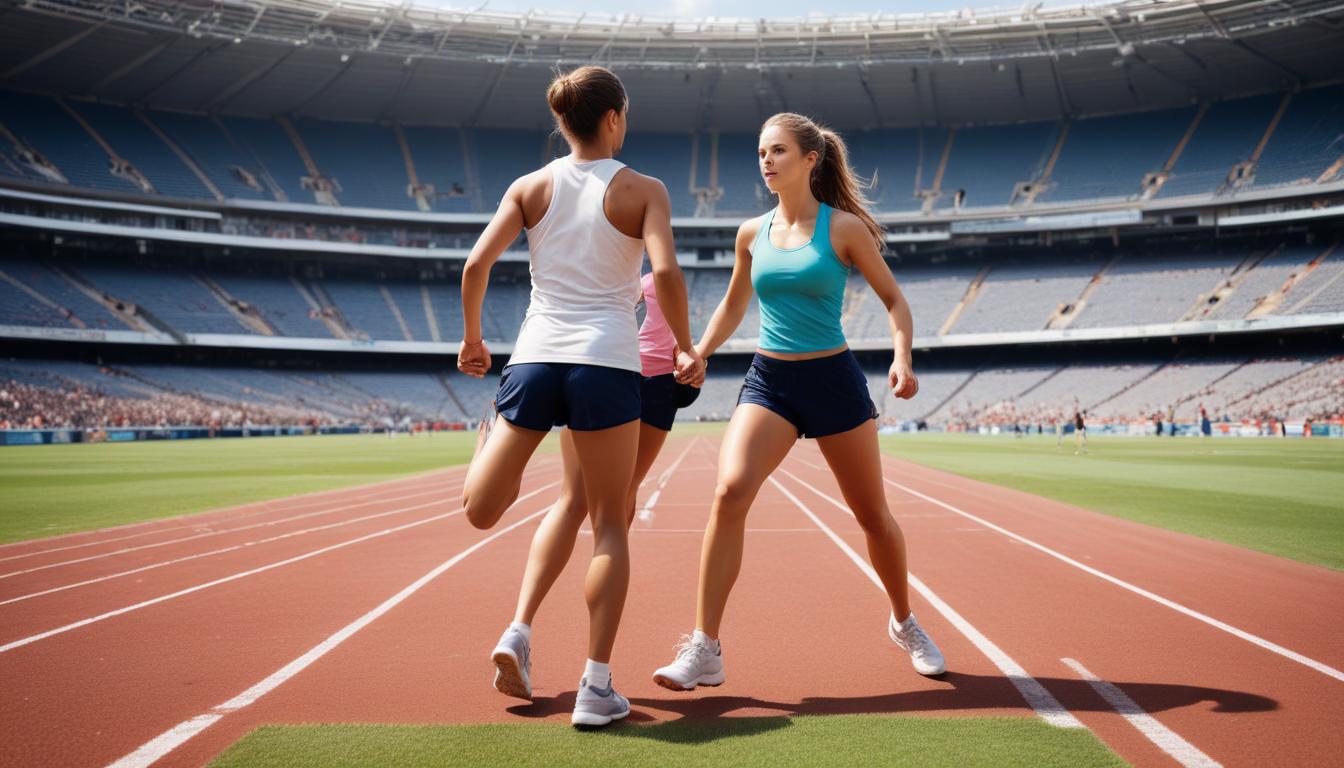
Walk past any park in Brooklyn on a Sunday morning and you'll see it: dozens of runners stretching in matching club kits, recreational soccer teams warming up on Prospect Park's open fields, volleyball nets strung across dusty courts in Williamsburg. This scene has become so commonplace it's easy to forget how remarkable it is—a city once defined by hustle culture is now hustling to get healthier together.
The numbers tell a compelling story. The New York Road Runners Club reports membership has grown 34 percent since 2020, with participation in recreational races reaching nearly 85,000 last year. Central Park's cycling communities have expanded similarly, with clubs like TIME Cycling and Prospect Park's own organized rides pulling in hundreds of weekly participants. Meanwhile, amateur soccer leagues operating across the five boroughs—from the Upper West Side Adult Soccer League to Bay Ridge's competitive divisions—now register over 12,000 active players annually, up from roughly 8,500 five years ago.
What's driving this? For many New Yorkers, the answer lies in community. Monthly membership fees for recreational leagues typically range from $40 to $120, making organized sport more accessible than boutique fitness studios that charge $30-40 per class. A runner joining a club in Astoria or a recreational basketball league in Washington Heights gains more than fitness—they gain a social infrastructure that urban life often lacks.
The geographic spread matters too. While Manhattan clubs remain popular, growth is strongest in outer boroughs. The Sunset Park Running Club, which barely existed a decade ago, now counts 400 regular members. Similar trajectories appear in Forest Hills and the Bronx, where volunteers have rebuilt community sports traditions damaged by decades of disinvestment.
New York Parks Department data shows recreational permits for amateur league play increased 28 percent between 2021 and 2025. Facility managers at pools, courts, and fields from Flushing to the Lower East Side report waitlists for league slots they haven't seen in years.
Perhaps most telling: amateur leagues skew increasingly diverse. Registration data shows broader gender participation across traditionally male-dominated sports, while age distribution has spread, with participants now ranging from their late teens to their sixties. This isn't just fitness culture—it's a sign that New Yorkers are deliberately choosing community over isolation, even as the city's costs and pace push in the opposite direction.
The recreation league boom suggests something deeper about urban health priorities. We're not just running faster or lifting heavier; we're running and lifting together.
This article was compiled by AI from the sources linked above and screened before publishing. See our editorial standards.
How does this story make you feel?
Spread the word
About this article
Published by The Daily New York
Daily brief
Free, in your inbox before 7am. Weekdays.
More in Sport