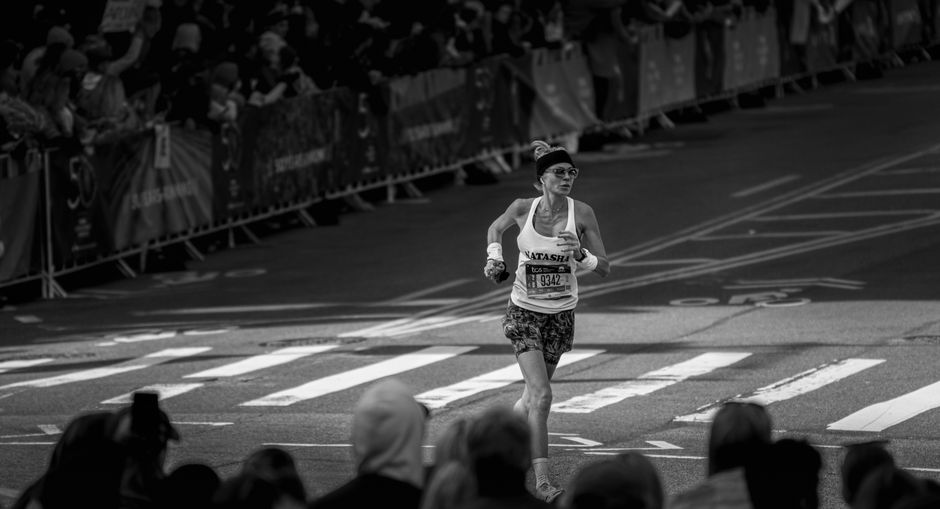
The numbers are staggering. Registrations for the New York Road Runners' races have surged 34 percent since 2023, with the 2026 summer series attracting nearly 85,000 participants across all events. Meanwhile, Equinox and boutique cycling studios across Manhattan report membership wait-lists stretching months into 2027. And triathlon clubs from Brooklyn to the Upper West Side are bursting at the seams with athletes chasing iron-distance dreams. What's driving this endurance boom, and what does it tell us about who we are as a city?
The data sketches a portrait of aspirational New York. The typical participant in major running events skews younger—ages 25 to 44—with household incomes exceeding $150,000, according to NYRR demographic surveys. Triathlon participation, traditionally niche, has widened considerably: women now comprise 42 percent of finishers in local sprint-distance races, up from 28 percent a decade ago. Cycling, too, has democratized beyond the spandex-clad weekend warriors. Commuter bike registrations through the Department of Transportation have climbed 67 percent since 2019, while Citi Bike membership now exceeds 450,000 active users.
This shift reflects something deeper than Instagram aesthetics. The rise of endurance sports participation tracks closely with mental-health awareness and corporate wellness programs. Major employers from McKinsey to Goldman Sachs now subsidize triathlon coaching and cycling club memberships, recognizing that burnt-out employees need outlets. The Prospect Park Running Track, Prospect Park Loop, and the Hudson River Greenway have become de facto corporate therapy sessions.
Yet the numbers also expose fault lines. While participation among affluent communities climbs steadily, entry costs remain prohibitive for many. A triathlon wetsuit runs $300 to $600; coaching packages at Gotham Triathlon Club cost $250 monthly. These barriers mean endurance sports remain coded as elite pursuits, even as they proliferate across visible parts of the city.
Infrastructure strain is real. The Parks Department has received 47 requests for additional cycling lanes in outer-borough neighborhoods since 2024, yet funding remains flat. Ferry services to weekend rides in the Hamptons—once niche—now book solid weeks in advance.
The participation surge suggests New York's fitness culture is bifurcating: an explosion of commitment among those with time, money, and access, and relative stagnation elsewhere. That's worth noting as the city markets itself as a global wellness destination. True inclusive fitness culture requires more than viral Strava segments and sold-out race bibs.
This article was compiled by AI from the sources linked above and screened before publishing. See our editorial standards.