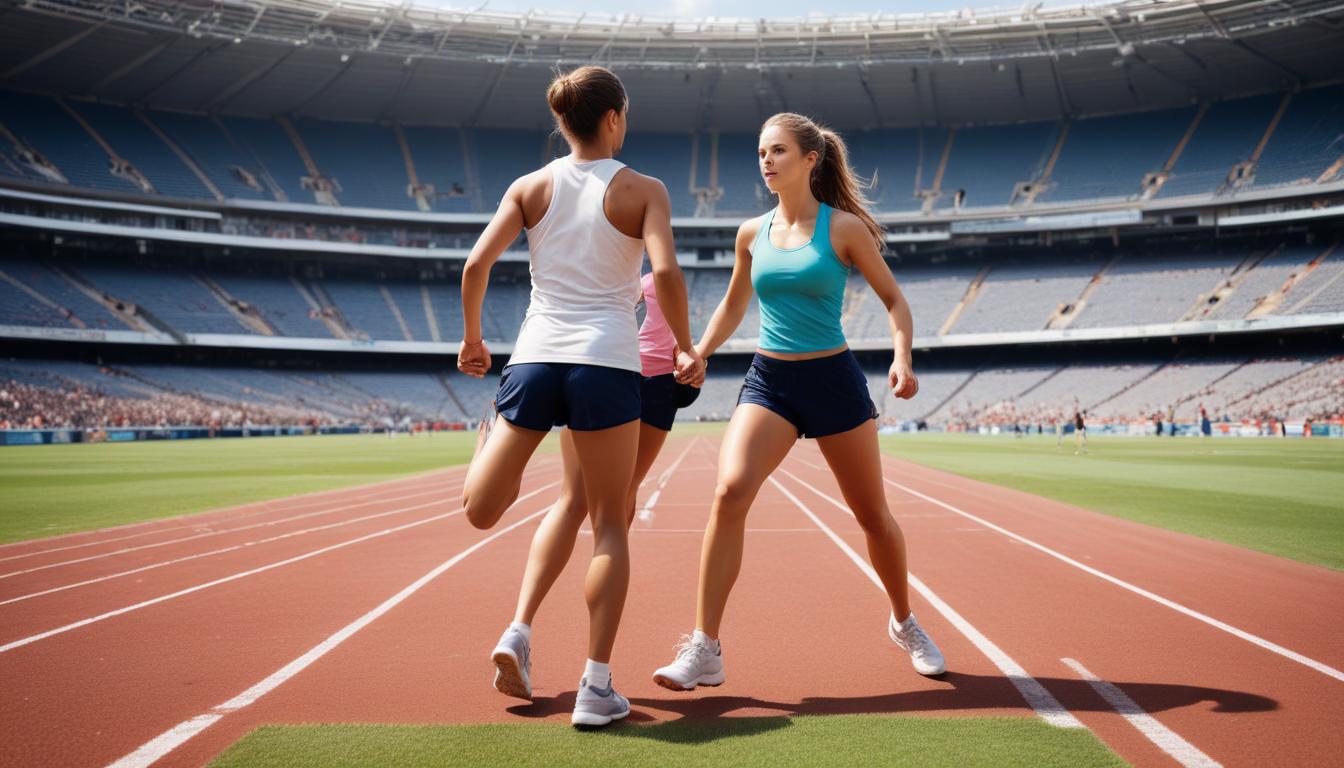
Walk past Riverside Park on any Saturday morning and you'll find the fields teeming with life: soccer leagues, ultimate frisbee tournaments, and touch football games stretching from 96th Street down to the Hudson. It's a scene repeated across New York's five boroughs, where amateur sports clubs are experiencing unprecedented growth, evolving far beyond their traditional role as simple recreational outlets.
The numbers tell a compelling story. The Parks and Recreation Department reported a 34 percent increase in league registrations across community centers since 2024, with youth participation climbing to 127,000 annually. Adult amateur leagues have seen similarly robust growth, with the Metropolitan Amateur Sports Association tracking over 8,000 registered teams across all sports.
In Astoria, Queens, the Astoria Pool Complex has become the epicenter of a thriving swim league that now boasts 600 active members—a far cry from the 200 it served five years ago. The club's expansion reflects a broader trend: New Yorkers are investing in local community infrastructure in ways that extend far beyond membership fees.
These clubs now function as genuine neighborhood anchors. The Brooklyn Pickleball League, operating out of courts near Prospect Park, grew from 60 members in 2023 to over 400 today. Members report that friendships forged on the courts have evolved into carpools, dinner groups, and mutual aid networks. Similarly, the Upper West Side Running Club, which meets Wednesday evenings along the Hudson Greenway, has become a social institution where newcomers find their footing in the city while clocking miles.
What's driving this renaissance? Partly, it's the desire for affordable community in an expensive city. League memberships typically range from $150 to $400 per season—a bargain compared to private gyms. But equally important is the psychological rebound from isolation. After years of disrupted seasons and limited gatherings, New Yorkers appear hungry for structured, recurring social contact organized around shared passion.
The economic impact shouldn't be overlooked either. Local businesses near active sports centers report increased foot traffic. Bagel shops around Forest Park in Queens, for instance, have become postgame gathering spots for the area's expanding baseball leagues.
Club organizers emphasize inclusivity as central to their mission. Many leagues now offer adaptive sports divisions, scholarship programs for lower-income participants, and multilingual communications. The Bronx Youth Basketball League recently launched a mentorship program pairing young athletes with college-bound peers.
As New York continues evolving, these grassroots organizations remind us that community isn't built through grand gestures—it's forged through weekly meetings, friendly competition, and the simple act of showing up together.
This article was compiled by AI from the sources linked above and screened before publishing. See our editorial standards.