From Brooklyn to the Bronx, Running and Cycling Clubs Are Building the City's Strongest Communities
As New York's endurance sports scene explodes, local clubs are transforming neighbourhoods and forging bonds that extend far beyond the finish line.
As New York's endurance sports scene explodes, local clubs are transforming neighbourhoods and forging bonds that extend far beyond the finish line.
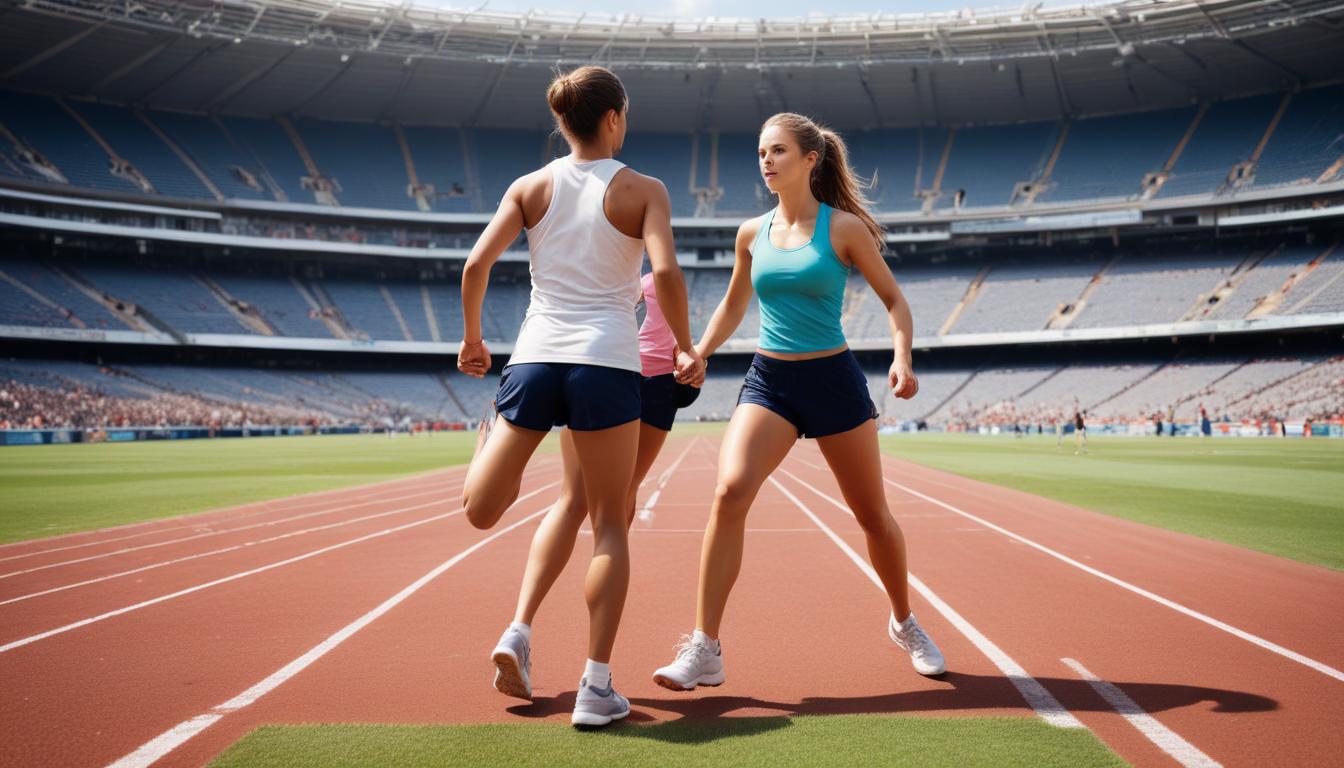
On any given Tuesday evening, Prospect Park pulses with the sound of running shoes hitting pavement as members of Brooklyn-based endurance clubs gather for their weekly workouts. What began five years ago as small meetups has evolved into a thriving ecosystem of running, cycling, and triathlon groups that have fundamentally reshaped how New Yorkers engage with fitness and community.
The numbers tell a compelling story. According to data from the Road Runners Club of America, New York membership has grown 34 percent since 2022, with the majority of new recruits joining through neighbourhood-based organisations rather than traditional gyms. Clubs operating across Manhattan's Hudson River Greenway, the East River Waterfront Trail, and the Bronx's Van Cortlandt Park now boast combined memberships exceeding 12,000 active participants.
The appeal runs deeper than cardiovascular benefits. Local cycling clubs like those operating out of Red Hook and Astoria have evolved into social anchors, organising weekend rides that double as neighbourhood tours and food stops at family-owned restaurants. Entry fees typically range from free to $15 per session, a stark contrast to boutique fitness studios charging upwards of $30 per class. Triathlon clubs spanning from Forest Hills to Washington Heights have democratised a sport long perceived as exclusive, offering coaching and mentorship at fraction of traditional coaching rates.
"What we've witnessed is the reclamation of public space," says community development analyst Jordan Martinez, who studies grassroots sports participation in New York. "These clubs aren't just improving individual fitness—they're activating parks, creating economic spillover for local businesses, and building social infrastructure that our city desperately needs."
The environmental impact cannot be overlooked. A June survey by the Tri-State Transportation Campaign found that 62 percent of cycling club members in New York neighbourhoods have reduced car usage, with the average participant cutting weekly drives by 3.2 trips. Running clubs based in Williamsburg, Park Slope, and the Upper West Side have similarly shifted commuting patterns.
Perhaps most significantly, these clubs have filled a void in mental health and social connection—particularly acute post-pandemic. Weekly group rides and runs provide structured accountability, friendship networks, and purpose beyond individual achievement. Many clubs now integrate family participation, with junior members joining parents on modified routes through Central Park and Jamaica Bay.
As summer approaches and race season intensifies, New York's endurance sports landscape continues evolving. What started as informal meetups has become something more: the infrastructure of community itself.
This article was compiled by AI from the sources linked above and screened before publishing. See our editorial standards.
How does this story make you feel?
Spread the word
About this article
Published by The Daily New York
Daily brief
Free, in your inbox before 7am. Weekdays.
More in Sport