From Concrete to Champions: How Grassroots Soccer Is ...
Community-led youth programs across the five boroughs are proving that access to the beautiful game doesn't require million-dollar facilities—just commitment and heart.
Community-led youth programs across the five boroughs are proving that access to the beautiful game doesn't require million-dollar facilities—just commitment and heart.
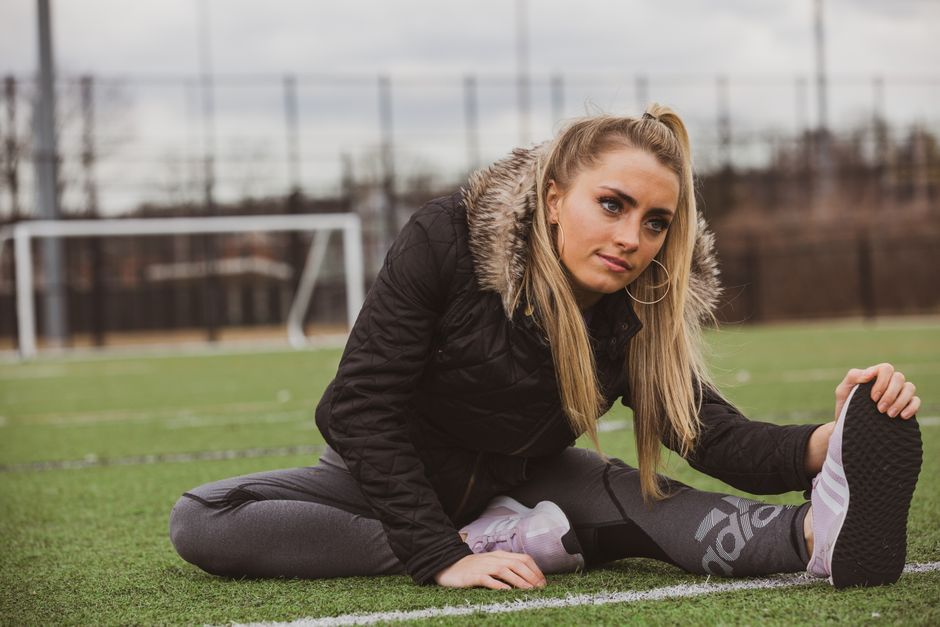
On a blistering Tuesday evening in Astoria, Queens, forty teenagers lace up their cleats on a repurposed basketball court at Rainey Park. The rectangular patch of cracked asphalt has been marked out with white paint and plastic cones—makeshift goals fashioned from PVC pipes. To any casual observer, it's modest. To these players, it's everything.
This is where organized youth soccer in New York's grassroots movement truly lives. While Manhattan's elite academies charge upwards of $3,000 per season, and the city's professional spotlight fixates on NYCFC's bronx-based home at Yankee Stadium, the real revolution is happening on the margins—in converted lots, school fields, and community centers across neighborhoods from Sunset Park to the South Bronx.
"We started with twelve kids and a dream," says the coordinator of Astoria United Youth, a nonprofit that has grown to serve over 600 children annually without paid staff or corporate sponsorship. Operating on donations and municipal permits, the organization exemplifies a broader movement reshaping soccer access across New York's five boroughs. Similar initiatives—Dyckman Soccer Club in Washington Heights, Red Hook United in Brooklyn, and dozens more—have quietly become the city's most vibrant athletic infrastructure.
The numbers tell a compelling story. According to a recent survey by the New York City Parks Department, youth participation in community soccer programs has increased 34 percent since 2022, even as private club memberships stagnated. Investment, however, remains inadequate: municipal funding for grassroots programs totals roughly $4.2 million annually, compared to the $18 million the city allocates to professional sports partnerships and stadium maintenance.
What these programs lack in resources, they compensate with authenticity. Players learn in languages reflecting their neighborhoods' demographics. Matches become cultural celebrations, with families from Dominican, Colombian, West African, and Eastern European communities gathering on sidelines. The coach shortage remains critical—most volunteer instructors juggle day jobs—yet retention rates exceed 78 percent, suggesting something more powerful than winning records drives participation.
The ripple effects extend beyond the pitch. Organizations like Dyckman report that 89 percent of participants improve academically, while community violence in program neighborhoods has declined measurably in recent years. These aren't just soccer clubs; they're youth development engines addressing the city's chronic inequality.
As professional soccer consolidates in wealthy enclaves, New York's true soccer revolution unfolds in plain sight. On fields from Flushing Meadows to Pelham Bay, young athletes are discovering that belonging—not elite credentials—defines the beautiful game.
This article was compiled by AI from the sources linked above and screened before publishing. See our editorial standards.
How does this story make you feel?
Spread the word
About this article
Published by The Daily New York
Daily brief
Free, in your inbox before 7am. Weekdays.
More in Sport