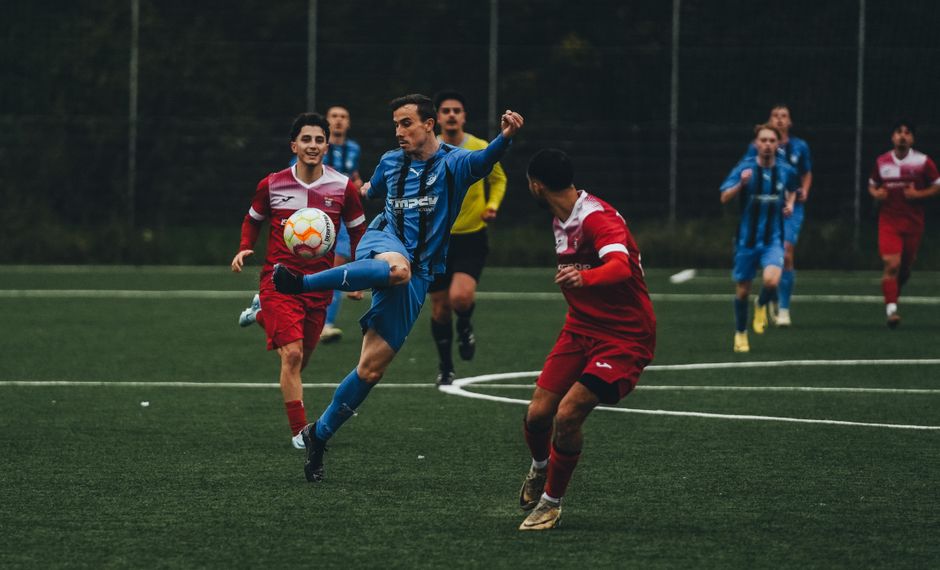
So You Want to Play Soccer in New York: Everything You Need to Know to Get Started
From pickup games in Astoria to competitive adult leagues in the Bronx, the city's soccer scene is bigger and more accessible than most New Yorkers realize.
From pickup games in Astoria to competitive adult leagues in the Bronx, the city's soccer scene is bigger and more accessible than most New Yorkers realize.
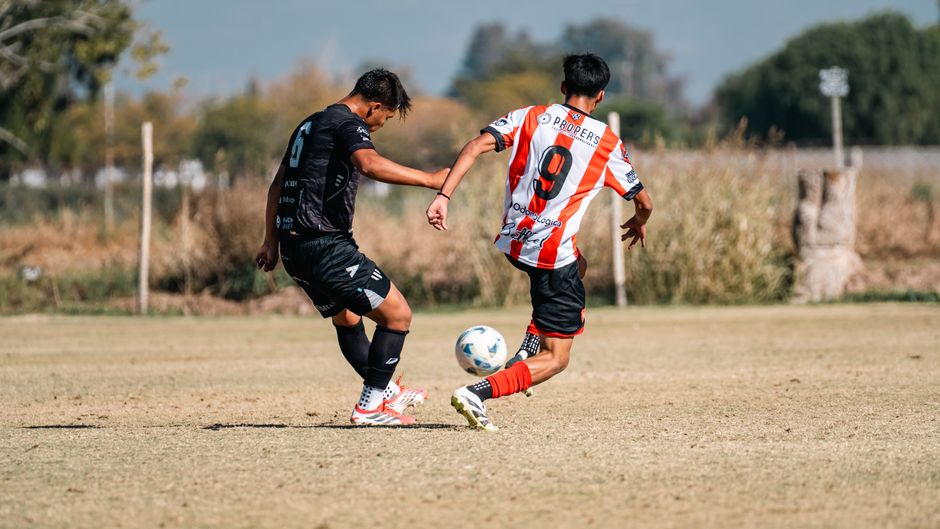
New York City has more than 1,700 public parks, and on any given summer evening, a significant chunk of them smell like cut grass and sound like Spanish, Wolof, Portuguese, and a dozen other languages shouted across a soccer pitch. The sport isn't coming to New York — it's been here for generations. What's changed in 2026 is the infrastructure around it, making entry easier and cheaper than at any point in recent memory.
The timing matters for a specific reason. The 2026 FIFA World Cup, co-hosted by the United States, Canada, and Mexico, brought 11 matches to MetLife Stadium in East Rutherford between June and July, with the final played on July 19. Participation inquiries to New York City recreational leagues jumped sharply in the weeks surrounding those games, according to figures compiled by the New York City Parks Department, which oversees more than 60 soccer fields across the five boroughs. The surge mirrors what happened after the 1994 World Cup, when U.S. Soccer registered a 34 percent increase in adult players nationally in the following 12 months.
Randalls Island is the most obvious starting point for anyone serious about playing regularly. The Icahn Stadium complex on the island hosts structured adult leagues through New York Soccer League, one of the oldest amateur organizations in the country, founded in 1914 and still running divisions from beginner through competitive. Registration for fall leagues opens August 1, with team fees running approximately $850 to $1,200 depending on division — roughly $55 to $75 per player on a full 16-person roster.
For people who aren't ready to commit to a full team, Astoria Park in Queens runs free pickup games on the two main grass fields every Saturday morning starting at 8 a.m. The games are informal, self-organized, and have been happening continuously since at least 2018. The crowd skews male and 20s-to-40s, but the organizers who show up around the south end of the park near the Hell Gate Bridge view have been actively trying to make sessions more inclusive. Inwood Hill Park at the northern tip of Manhattan runs a similar Saturday pickup, with a longer history and a heavily Dominican and Mexican crowd that takes the games seriously but welcomes new faces.
The New York Red Bulls operate a community outreach arm — Red Bulls Grassroots — that partners with roughly 40 community organizations across the metro area. Their clinics are free, aimed at ages 6 through adult, and run out of facilities including the Red Bull Training Center in Whippany, New Jersey, and several Brooklyn-based satellite locations including the turf fields at Commodore Barry Park in Fort Greene. Dates for the remainder of summer 2026 are listed on the club's official website.
You do not need much to start. Cleats or flat-soled turf shoes, shin guards, and appropriate shorts cover 95 percent of situations. A basic setup from a shop like Soccer Post on West 45th Street in Midtown runs around $80 to $120 new; the same gear from Play It Again Sports in Bay Ridge runs closer to $40 used. Most pickup environments will lend you a pinnie. Nobody expects a beginner to arrive in full kit.
The city's indoor soccer scene offers a year-round alternative for those put off by summer heat or winter cold. Pier 40 in Hudson Square has indoor turf space that books through HudsonRivePark.org, with hourly rates around $150 for a small-sided field — split among 10 players, that's $15 a session. Chelsea Piers Field House on West 23rd Street runs structured futsal leagues that accept individual registrations, meaning you don't need a full team to join.
Anyone starting from scratch should expect to spend the first several sessions getting comfortable with basic ball control and positional awareness. Most recreational leagues don't care about your skill level — they care that you show up on time and don't argue with referees. Find a Saturday pickup first, play a few times, and then decide whether a league makes sense. The fall season registration windows close fast, typically by mid-August, so the next two weeks are the right moment to make a decision.
How does this story make you feel?
Spread the word
About this article
Published by The Daily New York
Daily brief
Free, in your inbox before 7am. Weekdays.
More in Sport