New York City FC confirmed this week that construction work at their long-awaited Willets Point stadium in Queens remains on schedule for a 2027 opening, with the $780 million project now past its structural steel phase. The announcement landed quietly amid a holiday weekend, but it carries real weight for a club that has spent eleven seasons borrowing time at Yankee Stadium in the Bronx—a venue never designed for soccer and one that costs NYCFC an estimated $5 million annually in operational compromises alone.
The timing matters because Major League Soccer's profile has shifted dramatically. The league's new domestic broadcast deal, which kicks in fully in 2027, is worth roughly $2.5 billion over ten years and will push club revenues higher while simultaneously raising expectations for match-day experience. Ownership groups across the league are being asked a pointed question: are your facilities ready for prime time?
Queens Rising, New Jersey Holding Steady
The Willets Point site, wedged between the old US Open tennis grounds in Flushing and the ruins of the 1964 World's Fair footprint, will seat 25,000 and include a 450-unit affordable housing block as part of the city's broader redevelopment deal signed with the Bloomberg-era agency successor, the Queens Development Group. That community benefit component—negotiated hard by Queens Borough President Donovan Richards' office—is what got the project over the finish line politically after years of stalled proposals.
Across the Hudson, Red Bull Arena in Harrison, New Jersey, remains the gold standard for dedicated soccer infrastructure in the metro area. The 25,564-seat stadium, which opened in 2010 at a cost of $200 million, underwent a $40 million renovation completed in 2023 that added premium club seats along the eastern sideline and modernized its video board to a 4K system stretching 60 feet wide. On matchdays, the Path train from Newark Penn Station drops supporters within a four-minute walk of the turnstiles—a logistical advantage that Willets Point, accessible via the 7 train, is designed to match.
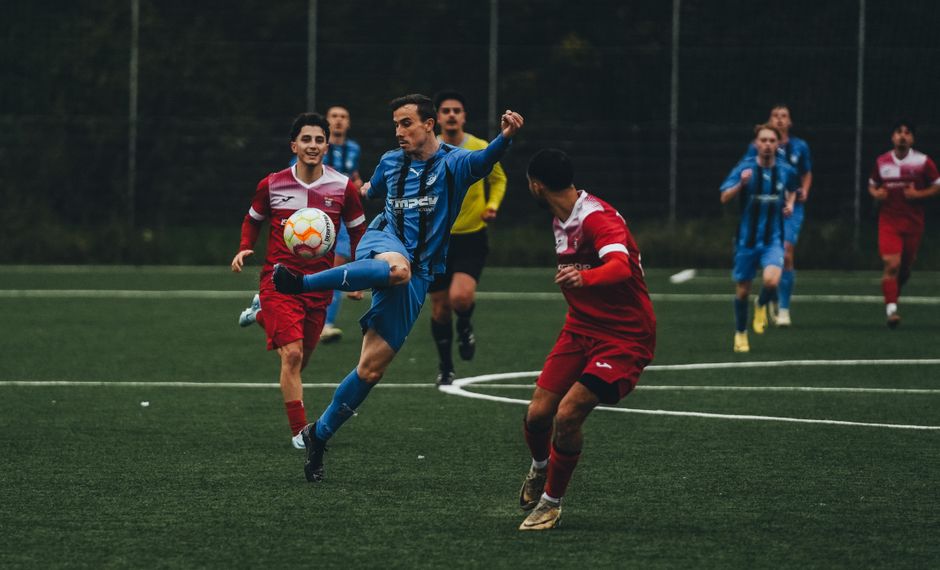
The grassroots layer is where the gaps are most visible. In Brooklyn, the Metropolitan Oval in Maspeth—technically straddling the Queens border—hosts dozens of amateur league fixtures each weekend through the Cosmopolitan Soccer League, one of the oldest amateur competitions in the country, founded in 1923. Field conditions there have drawn complaints from club administrators for two consecutive seasons, with drainage problems on Pitches 3 and 4 forcing postponements as recently as last April. The CSL submitted a formal facilities review request to the New York City Department of Parks and Recreation in March; that request is still pending.
Training Grounds Remain the Weak Link
At the professional level, NYCFC trains at Chelsea Piers in Manhattan and at a secondary facility in Orangeburg, New York, roughly 25 miles north of Midtown. Neither site was purpose-built for a top-flight soccer club. The Red Bulls operate out of their training complex in Whippany, New Jersey, a purpose-built campus that includes six natural grass pitches and an indoor facility opened in 2016. The infrastructure gap between the two clubs at the training level is significant and has factored into player recruitment conversations, according to people familiar with both operations.
The broader city picture includes 63 synthetic turf fields managed by NYC Parks across the five boroughs, a number that has grown from 41 in 2015 following a $250 million capital investment program. Advocates at the Soccer Without Borders New York chapter argue that access to those fields, particularly in the Bronx and Upper Manhattan neighborhoods where youth soccer participation is highest, remains uneven—with permit costs running up to $90 per hour for organized league play.
The next six months will clarify several open questions. The city's Fiscal Year 2027 capital budget, due for a Council vote in September, includes a line item for $18 million in additional turf field replacements in the Bronx and Staten Island. At Willets Point, NYCFC's project team faces a key structural inspection milestone before the end of the third quarter. And the CSL's parks request, if it moves through the normal 90-day review window, should produce a written response by mid-October—though anyone who has dealt with the Parks Department bureaucracy before will know that timeline is optimistic.