Yankee Stadium opened its gates on July 4th weekend for something beyond baseball. The Bronx venue — a $1.5 billion structure that seats 47,309 — hosted its second consecutive summer block-party series on Thursday, drawing more than 4,000 residents from the surrounding Concourse Village and Melrose neighborhoods for free youth clinics, health screenings, and a night game against the Rays. It was, by attendance count, the largest community activation the club has run outside of a scheduled Major League Baseball date.
The timing matters. With brutal heat forcing Fourth of July celebrations from Washington D.C. to Philadelphia to cancel or scale back, New York's major venues stepped in as air-conditioned, accessible alternatives for families. The Metropolitan area's three NFL stadiums, both MLB ballparks, and Madison Square Garden all reported increased foot traffic over the holiday weekend compared to the same period in 2025. Sports infrastructure, it turns out, is also civic infrastructure — and the clubs running it are increasingly being asked to act like it.
The Boroughs Are the Bench
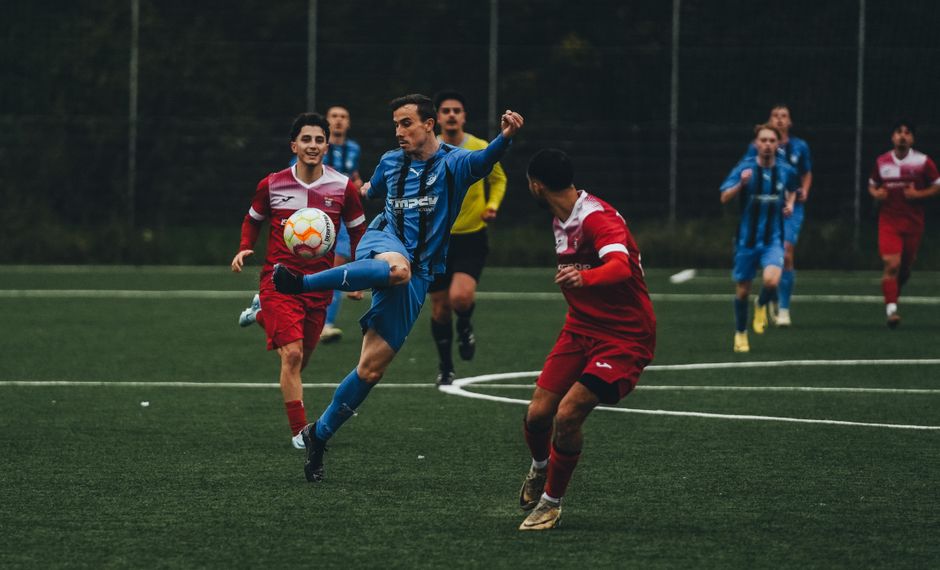
Nowhere is that dynamic sharper than in Queens. The New York City Football Club's push to build a soccer-specific stadium in Willets Point, adjacent to Citi Field on Roosevelt Avenue, has moved further along than at any previous point in the project's stop-start decade-long history. The $780 million, 25,000-seat facility broke ground in late 2025 and is scheduled to open in 2027. But NYCFC isn't waiting for the ribbon-cutting. The club's Community Foundation ran 38 free coaching clinics across Corona, Jackson Heights, and East Elmhurst between January and June this year, enrolling roughly 1,100 children aged 6 to 14.
Down in Brooklyn, Barclays Center and its surrounding Atlantic Yards footprint have become a template of sorts for the kind of mixed-use, community-integrated model that city planners have been pitching since the Bloomberg era. The arena's operator, BSE Global, partnered with the Bed-Stuy-based nonprofit Athletic Skills Development in March to run Saturday-morning basketball sessions for teenagers, using the arena's practice courts on Flatbush Avenue. Enrollment hit capacity — 240 kids per session — within 72 hours of the program being announced.
Madison Square Garden, meanwhile, relaunched its Garden of Dreams Foundation's school-year tutoring program in September 2025 with a $3 million funding commitment, extending services to 14 public schools within a two-mile radius of the Penn Station complex on Seventh Avenue. The program served 6,200 students in the 2025-26 academic year, up from 4,900 the year before.
Numbers That Tell the Story
The data behind these programs reflects something real. A 2025 report from the Aspen Institute's Sports & Society Program found that youth sports participation in low-income urban ZIP codes increases by 22 percent when a major professional venue operates a subsidized access program within three miles. New York's density means nearly every neighborhood in the five boroughs falls within that radius of at least one major facility.
Ticket prices remain an obstacle to organic community connection. A lower-level Mets seat at Citi Field now averages $87 on the secondary market, and Knicks playoff seats at MSG routinely exceed $400. That gap between what venues charge and what surrounding communities can pay is precisely why the community program model has grown — it lets clubs maintain financial and goodwill ties to neighborhoods they would otherwise price out.
For New Yorkers looking to tap these programs, most registration happens through club websites and, in several cases, through the NYC Parks Department portal at nyc.gov/parks. NYCFC's fall clinic series for Queens residents opens registration on August 1. The Garden of Dreams Foundation accepts school partnership applications on a rolling basis through September. At Yankee Stadium, the weekend community events run through August 30, with free entry for Bronx residents presenting a borough-issued ID. The venues are there. The programs are real. The question, as always in this city, is whether you know where to look.