Why New York's AI Boom Looks Nothing Like Silicon Valley's
From Wall Street to Madison Avenue, the city's oldest industries are rewriting the rules of artificial intelligence—and that's reshaping how the technology spreads globally.
From Wall Street to Madison Avenue, the city's oldest industries are rewriting the rules of artificial intelligence—and that's reshaping how the technology spreads globally.
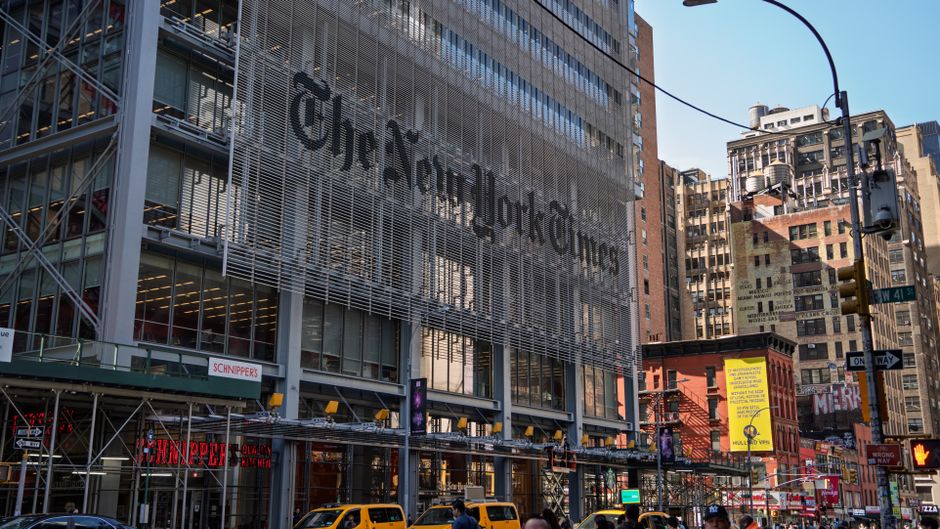
When venture capitalists talk about artificial intelligence clusters, they typically point west. But walk through Lower Manhattan's financial district or SoHo's advertising corridor in 2026, and you'll encounter something Silicon Valley never quite achieved: an AI ecosystem built on centuries of institutional expertise rather than startup speed culture.
The distinction matters. New York's tech scene has always been defined by its proximity to capital, media, and established industries. That proximity is now turbocharging AI adoption in ways that reshape global markets. JPMorgan Chase's AI Research division, headquartered steps from Wall Street, doesn't just build chatbots—it integrates large language models into trading infrastructure serving trillions in assets. When the bank moves, institutional finance worldwide takes notes.
Similarly, the creative agencies clustered along the Flatiron District and Hudson Square—where Ogilvy, WPP, and dozens of mid-size firms rent space in converted factories—are experimenting with AI in ways Madison Avenue never imagined. These aren't startup pivots. They're Fortune 500 companies retraining 50,000-person workforces. A mid-level art director in a SoHo studio in 2026 works alongside generative image tools; the ripple effects shape creative standards across Europe, Asia, and Latin America through client relationships that predate the internet.
Real estate prices reflect this differently than in tech hubs. A 2,000-square-foot office in Tribeca runs $8,000 to $12,000 monthly—expensive, but far cheaper than San Francisco. That affordability allows established firms to experiment without betting the company. It also attracts talent that tech-only cities can't retain: people who want walkable neighborhoods, world-class museums, and proximity to industries beyond startups.
The ecosystem's global influence extends through distribution channels unique to New York. Major publishing houses based in Midtown integrate AI into editorial workflows. Broadcast networks in 30 Rock adopt the technology for newsrooms. Fashion brands in the Garment District use machine learning for demand forecasting. These aren't niche tech decisions—they're decisions watched by counterparts in London, Paris, and Tokyo.
What distinguishes New York isn't AI sophistication—Stanford, MIT, and yes, San Francisco all lead in raw research. It's integration depth. Here, artificial intelligence doesn't supplement existing industries; it rewires them. A JPMorgan innovation touches global finance. An agency campaign using generative tools reaches millions of consumers. A publishing house's AI-driven editorial process becomes an industry standard.
That institutional leverage, built over centuries, may ultimately prove more valuable than any startup incubator.
This article was compiled by AI from the sources linked above and screened before publishing. See our editorial standards.
How does this story make you feel?
Spread the word
About this article
Published by The Daily New York
Daily brief
Free, in your inbox before 7am. Weekdays.
More in tech