New York's Tech Scene Is Reshaping How Startups Work—and Where
As remote work becomes permanent, Brooklyn and Manhattan coworking spaces are evolving into innovation hubs that rival traditional offices.
As remote work becomes permanent, Brooklyn and Manhattan coworking spaces are evolving into innovation hubs that rival traditional offices.
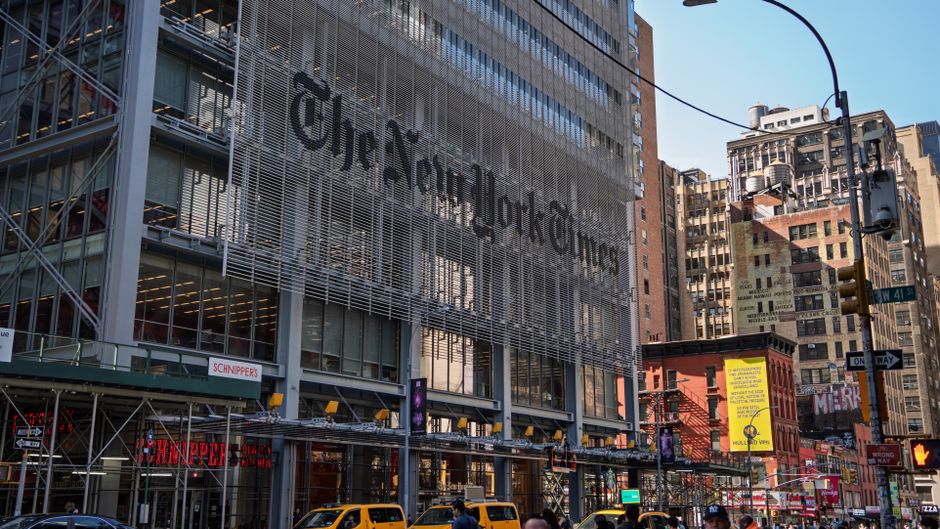
The New York tech scene is experiencing a fundamental shift in how startups think about workspace. Gone are the days when a cramped desk in a crowded Manhattan office tower was a startup's only option. Today, the city's entrepreneurs are experimenting with a hybrid model that blends flexible remote arrangements with strategic in-person collaboration spaces—and it's reshaping the geography of innovation.
The numbers tell the story. According to recent surveys of New York-based tech firms, approximately 68% of startups now operate on a hybrid or fully remote model, up from just 22% in 2019. Yet the coworking market hasn't collapsed as some predicted; instead, it's transformed. Spaces like Industry City in Sunset Park, Brooklyn, have become de facto tech campuses, hosting everything from AI startups to climate-tech ventures. Meanwhile, traditional office towers in Midtown are facing a reckoning, with several landlords converting underutilized floors into micro-coworking suites and event venues.
What's driving this change isn't just post-pandemic flexibility. It's economics. Premium Manhattan office space still hovers around $85-$100 per square foot annually, pricing out most early-stage startups. By contrast, hot-desking at spaces like Serendipity Labs in Brooklyn's DUMBO neighborhood or Impact Hub in Murray Hill costs around $400-$600 monthly—a fraction of traditional lease commitments. The flexibility also allows founders to tap talent across the country without geographic constraints.
The shift has consequences beyond real estate. Venture firms are noticing that their portfolio companies are leaner and more efficient. A startup that might have burned $40,000 monthly on office rent five years ago now spends $8,000 on a hybrid arrangement, reinvesting that capital into product development and hiring. This efficiency has made the New York startup ecosystem more competitive, particularly in fintech and healthcare tech hubs like the Financial District and the growing biotech corridor in East Harlem.
But not everything is remote. The most successful startups are creating intentional gathering spaces—not sprawling offices, but focused collaboration zones. Many companies now allocate one or two days weekly for in-person work, rotating team members to prevent burnout from commuting. Coffee meetings in neighborhoods like Flatiron and Park Slope have become networking staples.
As we head into 2027, the question isn't whether remote work will stick—it clearly has. The real story is how New York's tech community is weaponizing flexibility as a competitive advantage, building a more distributed but deeply connected innovation ecosystem that doesn't require everyone in the same office to change the world.
This article was compiled by AI from the sources linked above and screened before publishing. See our editorial standards.
How does this story make you feel?
Spread the word
About this article
Published by The Daily New York
Daily brief
Free, in your inbox before 7am. Weekdays.
More in tech