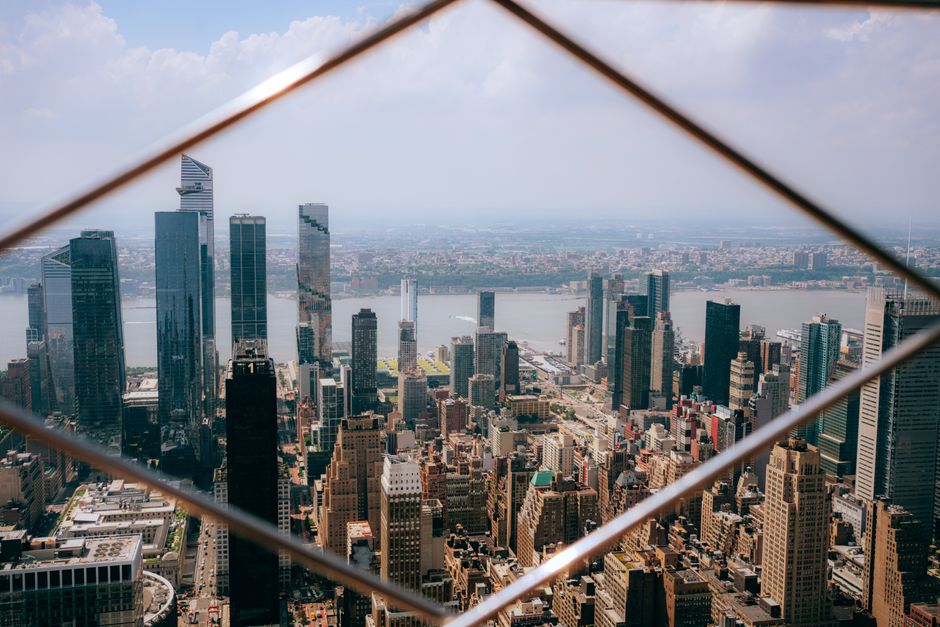
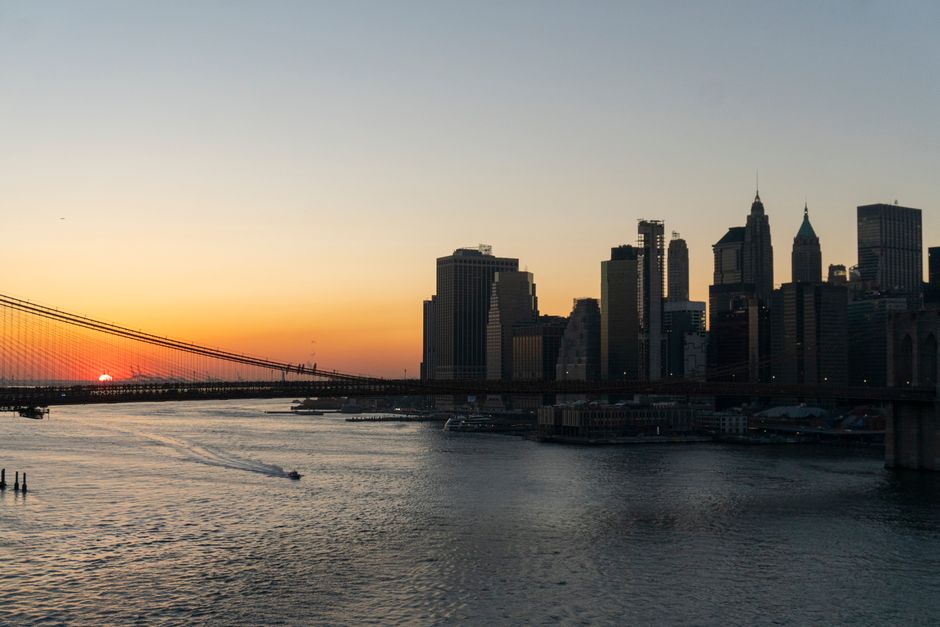
Walk through the Flatiron District on any given Tuesday, and you'll find yourself surrounded by the infrastructure of financial disruption. In the glass-fronted offices along Broadway and Fifth Avenue, fintech entrepreneurs are building the banking systems of tomorrow—and investors are betting billions that New York remains the epicenter of that revolution.
The numbers tell a striking story. New York fintech companies raised $47 billion in venture capital across 2024 and 2025, according to preliminary data from the New York City Economic Development Corporation, cementing the city's position as the world's second-largest fintech hub after San Francisco. That capital influx has transformed neighborhoods from SoHo to Murray Hill into incubators for digital banks, payment processors, and alternative lending platforms.
"We're seeing institutional investors who've never touched fintech five years ago now opening dedicated funds," said one venture capitalist operating out of offices near Madison Square Park, speaking on condition of anonymity about competitive dynamics. The trend reflects a broader maturation: fintech has moved beyond the scrappy startup phase into serious, scalable infrastructure.
The investment surge has had tangible effects on New York's landscape. A Series B funding round for a Brooklyn-based embedded finance platform reached $35 million last month. A Manhattan payment processor just secured $120 million in growth equity. Even more telling: traditional banks have begun spinning up innovation labs in neighborhoods like Long Island City, where JPMorgan and Goldman Sachs maintain research facilities alongside nimble startups.
What's driving the capital flood? Several factors converge. First, regulatory clarity has improved significantly since the Biden administration's stance on crypto clarified market conditions. Second, consumer demand for faster, cheaper financial services remains insatiable. And third, the talent pool here is unmatched—with thousands of engineers, designers, and financial specialists available within the five boroughs.
But the growth story carries complications. Rising rents in traditional tech hubs like Williamsburg and the East Village have pushed some founders toward less glamorous neighborhoods—Astoria in Queens and parts of the Bronx are seeing newcomer activity. Competition for senior engineering talent has become fierce, with salaries for fintech engineers in Manhattan now averaging $185,000 to $250,000, depending on seniority.
As the city heads into the second half of 2026, the bet appears clear: New York's future as a financial capital depends not on managing old money, but on financing new ideas. The venture capital flowing into these companies suggests institutional investors believe that bet is sound.
This article was compiled by AI from the sources linked above and screened before publishing. See our editorial standards.