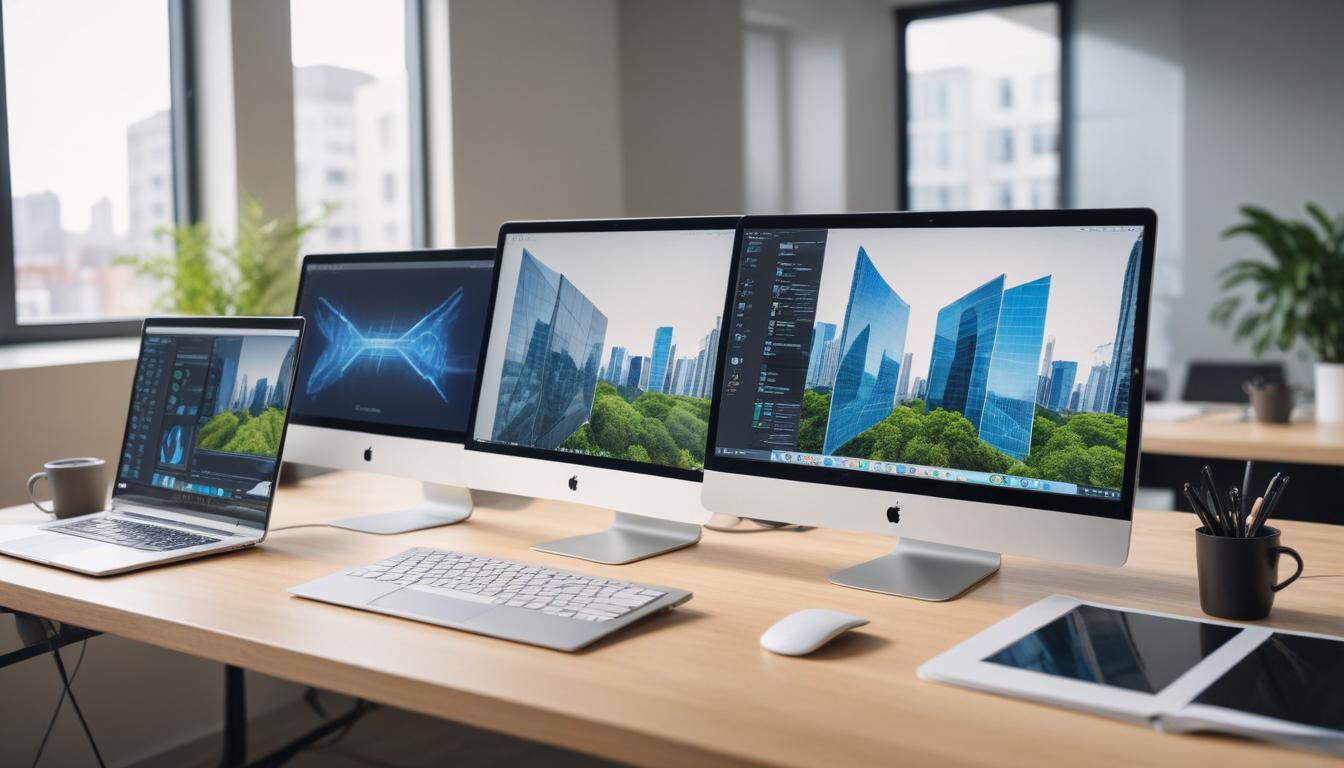
The coworking boom that transformed SoHo and Brooklyn's industrial warehouses into open-plan offices is entering its next phase. By late 2026, the competitive landscape has shifted from square footage and coffee quality to something far more sophisticated: AI-powered workspace ecosystems that promise to eliminate friction from distributed work.
WeWork's pivot toward smaller, neighborhood-based "pods" across Manhattan—including new locations on the High Line's edges and in Long Island City—signals industry-wide recognition that the sprawling office park model has peaked. But the real innovation isn't real estate; it's the software layer beneath it.
Several startups operating from Flatiron District tech hubs are shipping products that integrate calendar management, room booking, and real-time team presence across physical and digital spaces. One emerging player, backed by venture firms with offices near Madison Square Park, is launching an ambient AI system that automatically adjusts lighting, temperature, and noise levels in coworking spaces based on occupancy patterns and user preferences—addressing the sensory fatigue that remote workers cite as their top complaint.
The data tells a revealing story. According to a June 2026 survey of 2,000 New York professionals, 67 percent now split time between home and shared workspace weekly, up from 41 percent in 2023. Yet 58 percent report dissatisfaction with "finding the right environment for different types of work." That gap is where the next wave of products is targeting investment.
Developers are also tackling asynchronous collaboration. Several teams across New York's tech corridor are building spatial recording platforms—imagine recording a whiteboard session in three dimensions—that colleagues can step into later, wherever they are. One firm demo'd the technology at a recent event at Betaworks in the Meatpacking District.
Perhaps most intriguingly, a coalition of architecture and software firms based in Tribeca is prototyping "nomadic offices"—modular, sensor-equipped workspaces that can reconfigure themselves based on team needs. The first pilot launches in a Williamsburg creative hub this fall.
The consensus among founders and operators is clear: the future of remote work isn't about choosing between home and office. It's about creating environments intelligent enough to adapt to how knowledge work actually happens—which, for New York's increasingly distributed workforce, means anywhere and everywhere at once.
This article was compiled by AI from the sources linked above and screened before publishing. See our editorial standards.