New York's Digital Shield: Why Cybersecurity Promise Masks Growing Ethical Minefields
As the city's tech sector booms, security experts warn that protecting data and privacy increasingly means sacrificing one or the other.
As the city's tech sector booms, security experts warn that protecting data and privacy increasingly means sacrificing one or the other.
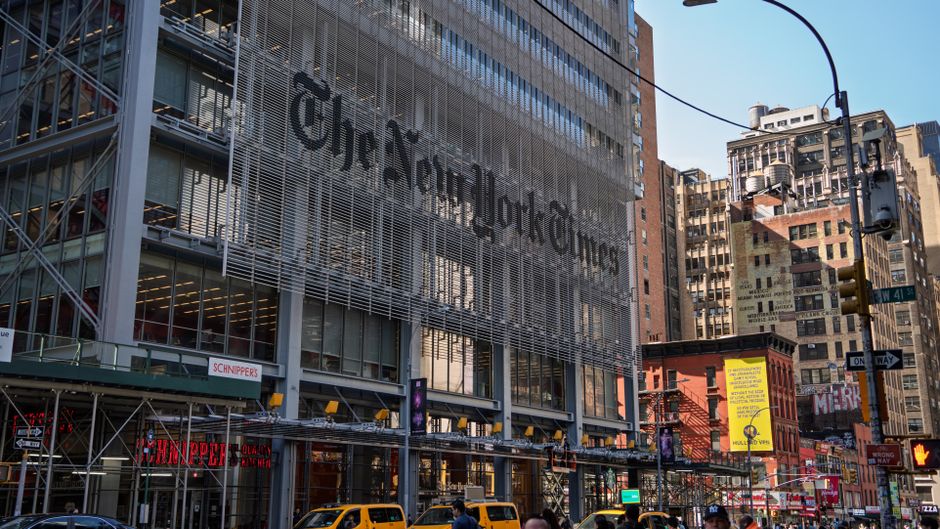
Walk through the gleaming office parks of Hudson Yards or the startup-packed floors of WeWork's Flatiron location, and you'll hear the same refrain: cybersecurity is non-negotiable. Yet behind that confidence lies a troubling paradox that keeps New York's Chief Information Security Officers awake at night.
The numbers tell part of the story. According to a 2026 survey by the New York Technology Council, 73% of Manhattan-based companies increased security spending this year, with the average firm now budgeting $2.4 million annually on defense systems. That's a 41% jump from 2024. The promise is seductive: impenetrable firewalls, AI-powered threat detection, zero-trust architecture. Silicon Alley's venture capitalists are betting big—over $840 million flowed into New York cybersecurity startups in the first half of 2026 alone.
But the ethical reckoning is arriving faster than the technology can mature. Consider the surveillance creep. To catch bad actors, companies increasingly deploy monitoring tools that track employee keystrokes, monitor bathroom breaks, and log every website visited. The practice is legal in New York—the state has no explicit ban—yet it raises uncomfortable questions about consent and dignity that the tech industry would rather avoid.
Then there's the data itself. Protecting information means collecting vast quantities of it. A single breach affecting New Yorkers—like the 2024 incident at a major healthcare provider in Midtown that exposed 1.2 million records—demonstrates how security measures can paradoxically make us more vulnerable. The more data we guard, the more tempting a target we become.
Dr. cybersecurity programs at NYU's Tandon School of Engineering and Columbia University are grappling with these contradictions in real time. Students in Brooklyn and Morningside Heights are learning technical defenses, yes, but also the thornier questions: Who owns encrypted data? Should government agencies have backdoor access? What happens when security conflicts with equity—when only wealthy companies can afford robust protection?
The most vexing issue may be the false choice we're accepting. Companies in the Financial District and Midtown assume they must choose between privacy and security. In reality, the most resilient systems treat them as partners, not opponents. Yet that approach requires transparency, accountability, and meaningful consent—luxuries that don't fit neatly into quarterly earnings reports.
New York's tech leaders have built something remarkable. Now they face their hardest test: building it responsibly, with eyes wide open to the trade-offs that security demands.
This article was compiled by AI from the sources linked above and screened before publishing. See our editorial standards.
How does this story make you feel?
Spread the word
About this article
Published by The Daily New York
Daily brief
Free, in your inbox before 7am. Weekdays.
More in tech


