Why New York's Remote Work Culture Sets It Apart From Every Other Tech Hub
As companies worldwide embrace hybrid models, the city's unique blend of density, diversity, and deal-making is reshaping how the global workforce thinks about proximity.
As companies worldwide embrace hybrid models, the city's unique blend of density, diversity, and deal-making is reshaping how the global workforce thinks about proximity.
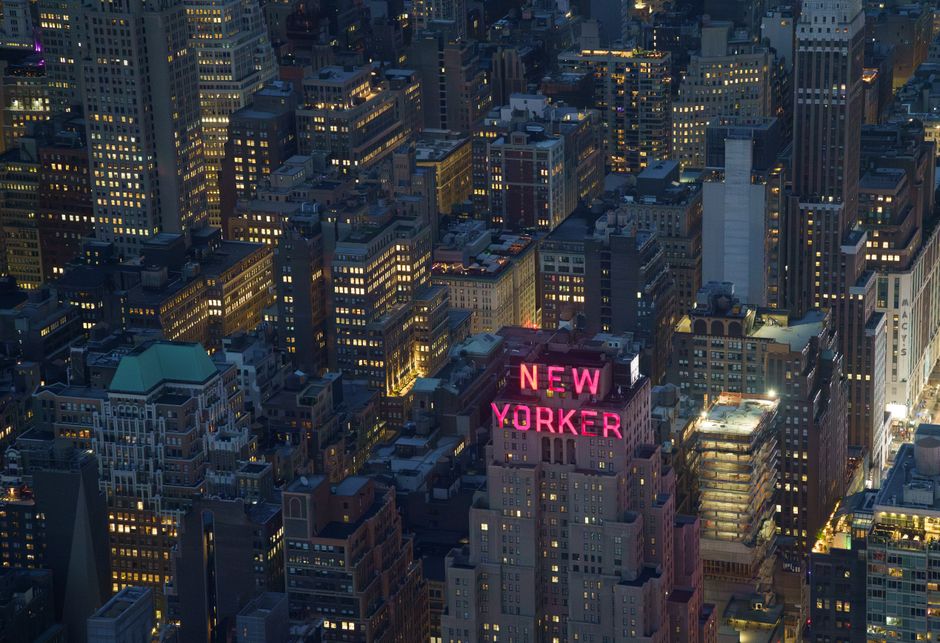
When Stripe announced last year that it would maintain a sprawling Manhattan headquarters despite enabling full remote work, it wasn't purely nostalgic. The decision reflected a peculiarly New York paradox: in an era when engineers can work from anywhere, this city's tech ecosystem has become more geographically concentrated, not less.
Unlike San Francisco's dispersal to Marin County or Austin's suburban sprawl, New York's remote work revolution has intensified clustering. Flatiron, Brooklyn's DUMBO, and Long Island City have become even denser nodes of venture capital, startup density, and talent convergence. Coworking spaces—from established players operating across 15+ Manhattan locations to boutique studios in Williamsburg—are thriving precisely because they've become extensions of company culture rather than cheap office substitutes.
The distinction matters globally. While Silicon Valley treated remote work as an escape from high costs, New York's tech community has weaponized it differently. A developer in New Orleans or Dublin can join a New York startup while maintaining their own timezone and cost of living. The startup gains access to talent pools that would've been geographically impossible five years ago, while the city itself benefits from the gravitational pull of its venture ecosystem—$3.9 billion in VC funding flowed to New York startups in 2025, roughly 40 percent of West Coast totals.
This creates New York's secret advantage: distributed centrality. A startup can operate a core team across Brooklyn and Manhattan while distributing engineering and operations to cheaper metros globally. Meanwhile, the city's unmatched density of institutional capital, legal infrastructure, and Fortune 500 corporate partnerships remains immovable. You cannot replicate the Goldman Sachs partnership office at 200 West Street, or the constellation of law firms around Midtown East, from a laptop in Denver.
Coworking operators have adapted accordingly. Spaces like those in Midtown South are increasingly catering to companies that need flexibility without sacrificing Manhattan's deal-making density. Monthly rates hover around $2,000 per desk—expensive by national standards, but cheaper than maintaining permanent leases. For a startup with six co-founders split across three neighborhoods, it's become the rational choice.
The global pattern is revealing itself: remote work didn't kill geography. It rewrote its rules. New York didn't win by making the office obsolete. It won by making proximity to capital, networks, and regulatory power more valuable than ever—even if fewer people need to physically occupy it every day.
This article was compiled by AI from the sources linked above and screened before publishing. See our editorial standards.
How does this story make you feel?
Spread the word
About this article
Published by The Daily New York
Daily brief
Free, in your inbox before 7am. Weekdays.
More in tech


