New York's AI Boom Shifts Into High Gear: Here's What's Coming Next
From Midtown startups to Brooklyn labs, a wave of enterprise AI tools promises to reshape how the city's small businesses operate—if they can afford the price of entry.
From Midtown startups to Brooklyn labs, a wave of enterprise AI tools promises to reshape how the city's small businesses operate—if they can afford the price of entry.
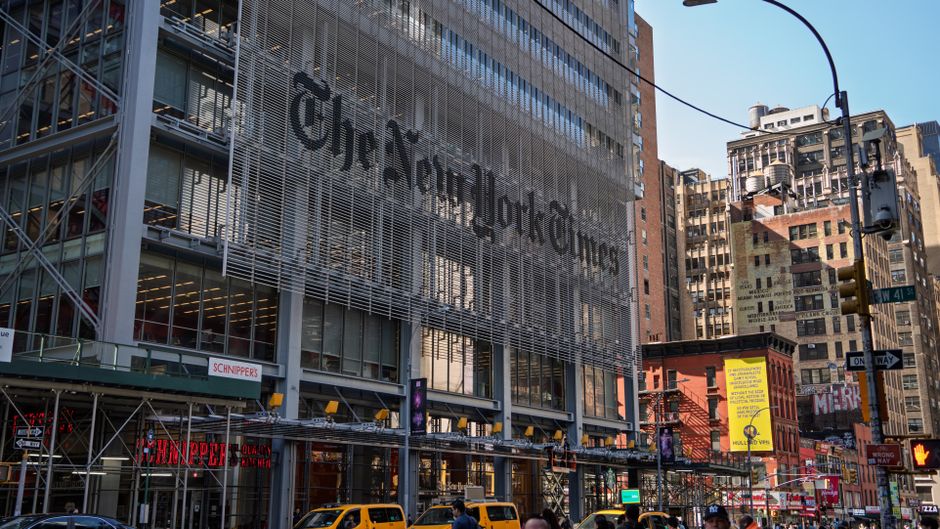
The roster of announcements hitting the AI circuit this summer reads like a tech conference itinerary: autonomous customer service agents, hyper-localized predictive analytics, and what several venture firms are calling the next frontier—vertical-specific AI assistants built for industries most New Yorkers never think about. For the city's business community, the momentum is undeniable, but questions about access and affordability loom large.
Across the city's established tech corridors, the conversation has shifted decisively from "what can AI do?" to "when will it be ready for our operations?" Companies clustering around the Flatiron District and along the High Line are scrambling to integrate what's being billed as the next generation of workplace intelligence. One trend crystallizing in pitch decks and boardrooms: the move away from general-purpose models toward purpose-built tools. A supply chain optimizer for restaurant groups. A lease-negotiation assistant for commercial real estate brokers working the Upper East Side. A staffing predictor for hospitals in Washington Heights.
The economics remain thorny. Initial licensing costs for enterprise-grade AI implementation typically run $15,000 to $50,000 monthly for mid-sized operations, putting sophisticated automation out of reach for the 265,000-plus small businesses operating across the five boroughs. Yet several startups with offices in DUMBO and Long Island City are engineering more affordable entry points, betting that lower-cost, sector-focused versions could capture the underserved market.
What's particularly significant for New York is the hyperlocal angle. Developers are engineering tools that account for the city's distinct regulatory environment—taxi commission rules, building department workflows, the notorious Byzantine permitting process. A startup operating from a Williamsburg loft recently unveiled an AI system designed specifically to help small manufacturers navigate New York City Department of Environmental Protection compliance. It's narrow, unglamorous work, but potentially transformative for the businesses actually doing it.
By early 2027, expect to see announcements around what the industry calls "agentic" AI—systems that can actually execute business tasks autonomously, not just provide recommendations. Whether that means a bot handling appointment scheduling for dental offices across Park Slope, or negotiating with vendors, remains to be determined. But the timeline is remarkably compressed compared to previous tech cycles.
The wildcard: regulation. City Council members and the Manhattan borough president's office have signaled interest in AI governance frameworks. How those rules land could either catalyze innovation or create new barriers for the very small-business ecosystem the technology promises to transform.
This article was compiled by AI from the sources linked above and screened before publishing. See our editorial standards.
How does this story make you feel?
Spread the word
About this article
Published by The Daily New York
Daily brief
Free, in your inbox before 7am. Weekdays.
More in tech