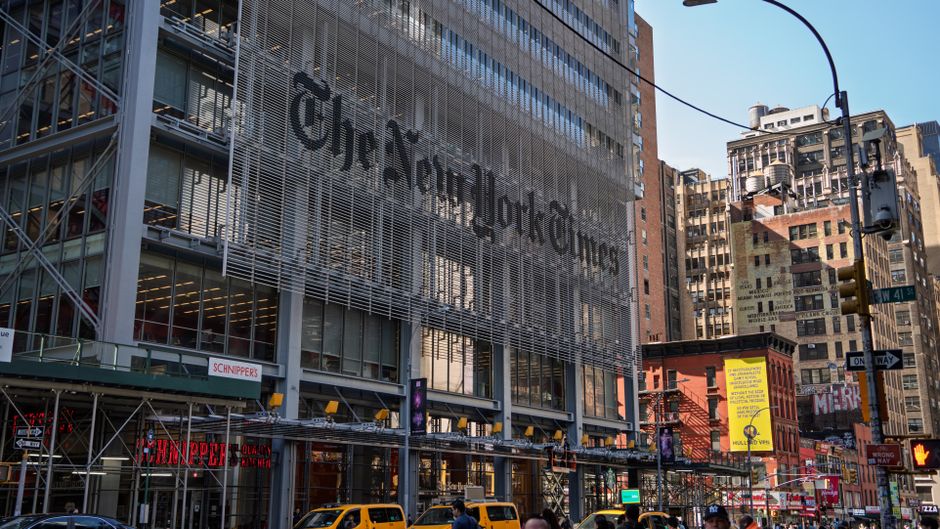
The annual tech summit season is heating up across New York, and major companies headquartered in or operating from the city are pulling back the curtain on ambitious development pipelines that signal where the industry is heading next year. With offices clustered around Hudson Yards, the Flatiron District, and Brooklyn's burgeoning tech corridor, these organizations are racing to launch products that address mounting pressure from regulators, consumer privacy concerns, and workplace transformation demands.
Several major players have signaled that artificial intelligence-driven health monitoring will dominate their 2027 releases. Companies are developing wearable integration systems designed to work seamlessly across multiple devices—a significant shift from today's fragmented ecosystem. Industry analysts tracking announcements from Manhattan-based development teams project these tools could reach mainstream adoption within 18 months, potentially capturing a market valued at $8.3 billion globally.
Meanwhile, enterprise software developers concentrated along the Chelsea and Midtown West corridors are preparing what insiders describe as "generation-three" workplace collaboration platforms. These systems aim to bridge remote and in-office work through advanced spatial computing, allowing teams distributed across continents to interact with unprecedented intimacy. Pilot programs are already underway with financial services firms in Midtown, where the competition for talent retention remains fierce.
Cloud infrastructure providers—many with significant operations in the New York region—are rolling out quantum-resistant encryption standards. This defensive move reflects growing anxiety about future computational threats and regulatory pressure following increased scrutiny from federal agencies headquartered here in Manhattan.
Perhaps most intriguingly, several companies are investing heavily in sustainability-focused technologies. Products designed to optimize energy consumption in data centers and reduce supply-chain emissions are entering advanced testing phases. Given New York's ambitious climate commitments and the city's role as a global financial center, these tools could establish new industry standards.
The convergence of these developments reflects a maturing tech sector increasingly focused on practical utility rather than pure innovation theater. Trade shows and investor presentations scheduled for venues like Javits Center and the New York Palace Hotel this fall will showcase prototypes, but the real test comes when these products reach actual users.
For New York's standing as a global innovation hub—competing with San Francisco, Beijing, and London—2027 may prove decisive. Whether homegrown companies can deliver on these ambitious roadmaps while navigating regulatory complexity could determine whether the city remains a center of technological creation or becomes primarily a market for technologies developed elsewhere.
This article was compiled by AI from the sources linked above and screened before publishing. See our editorial standards.