Walk through Union Square on a Saturday morning and you'll spot something remarkable: hundreds of New Yorkers, canvas bags in hand, queuing at farm stands selling heirloom tomatoes and microgreens. Five years ago, this scene was niche. Today, it's become the default for a significant slice of the city's wellness-conscious population.
The shift toward intentional nutrition in New York isn't driven by a single trend—it's a convergence. The city's 50-plus farmers markets have expanded by roughly 30% since 2020, according to GreenMarket data. The Union Square Market alone now hosts 140 vendors on peak days, up from 90 in 2015. Meanwhile, neighborhoods from Park Slope to the Upper West Side have seen an explosion of nutrition-focused restaurants and meal-prep services, many emphasizing local sourcing and seasonal eating.
"New Yorkers are done with generic wellness," says the growing community of registered dietitians now clustering on the Upper East Side and in Brooklyn Heights, where personalized nutrition consultations—often paired with access to exclusive farm deliveries—command fees of $150 to $300 per session. Companies like Imperfect Foods and local startups have capitalized on this demand, offering weekly boxes of imperfect produce at 30% below supermarket prices, with sustainability as the added benefit.
The restaurants are listening. Venues along the High Line and near Hudson River Park increasingly feature tasting menus built around what's available that week from regional farmers. Even fast-casual chains on Madison Avenue have begun rotating seasonal menus—a nod to the fact that wellness-minded diners now expect nutrition transparency and local sourcing as table stakes, not luxury additions.
Price remains a barrier. A weekly farmers market haul for a family of four—organic vegetables, pastured eggs, local dairy—can easily exceed $100, pricing out many neighborhoods. Yet the trend has democratized slightly; greenmarkets now accept SNAP benefits, and many vendors offer bulk discounts. Community gardens across the five boroughs have also expanded, giving residents direct access to fresh produce regardless of income.
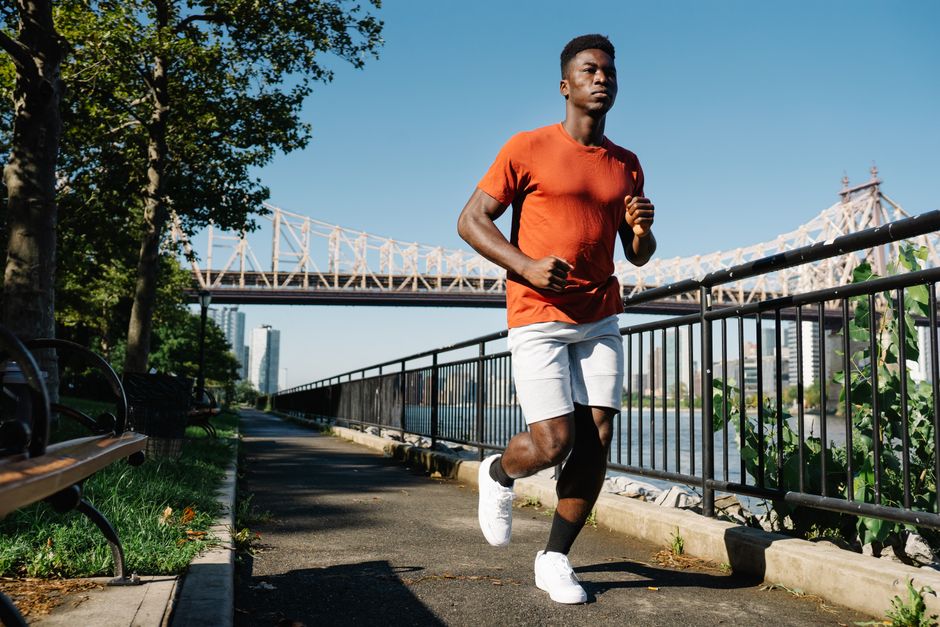
What's striking is the philosophical shift. For decades, New York wellness culture centered on restriction and performance—the marathon runner, the juice cleanse devotee. Today's iteration is about abundance and seasonality. It's about knowing your farmer's name, understanding why May strawberries taste different from August ones, and building a diet around what thrives locally rather than what ships well.
For New Yorkers, this represents a rare moment of alignment: self-care, environmental responsibility, and community connection have converged. The question now is whether the trend can sustain beyond the neighborhoods where it took root.
This article was compiled by AI from the sources linked above and screened before publishing. See our editorial standards.