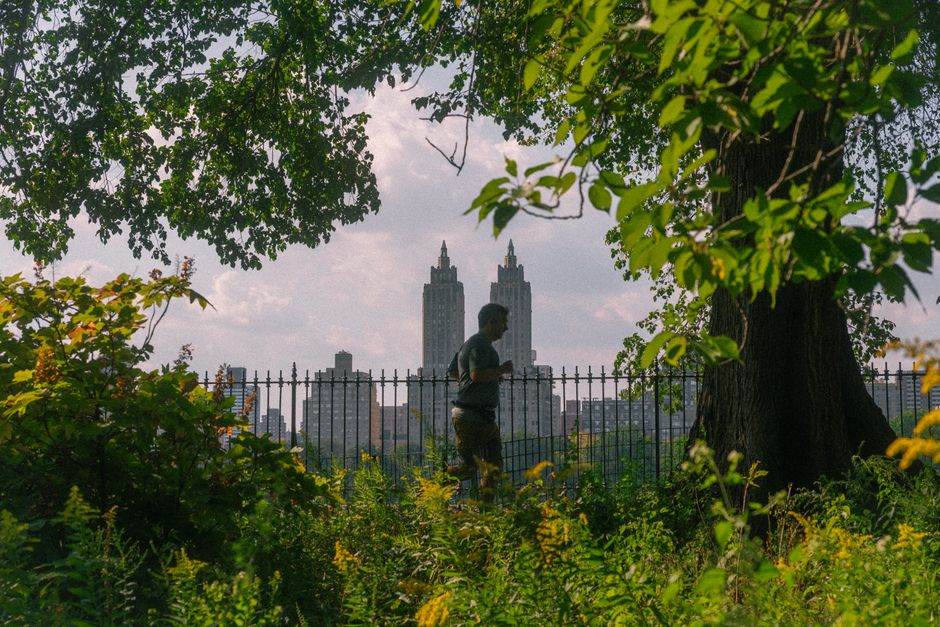
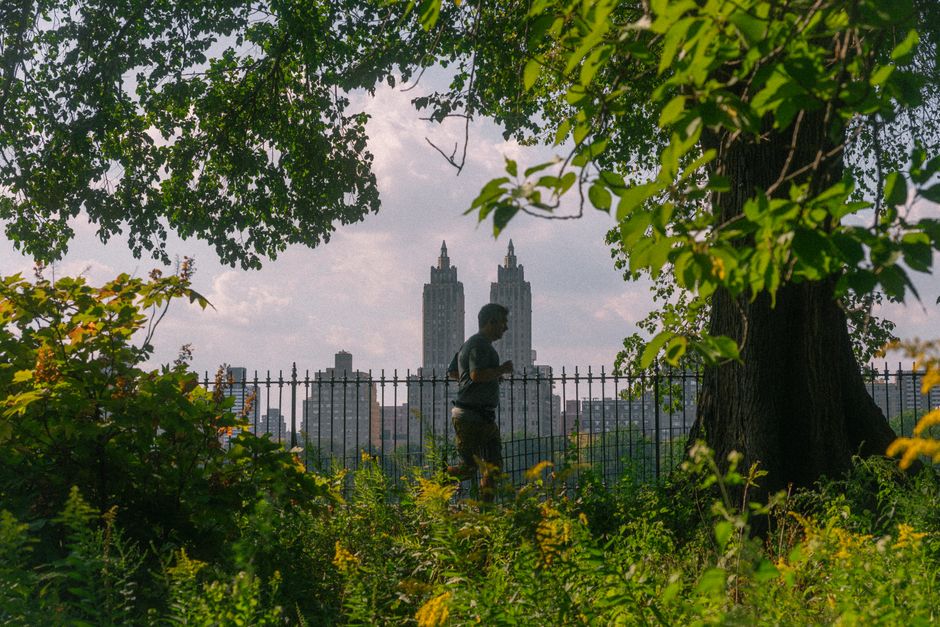
While the world chases sleep optimization, New York is just now catching up
Global wellness movements prioritize rest recovery, but the city that never sleeps is still learning to slow down.
Global wellness movements prioritize rest recovery, but the city that never sleeps is still learning to slow down.
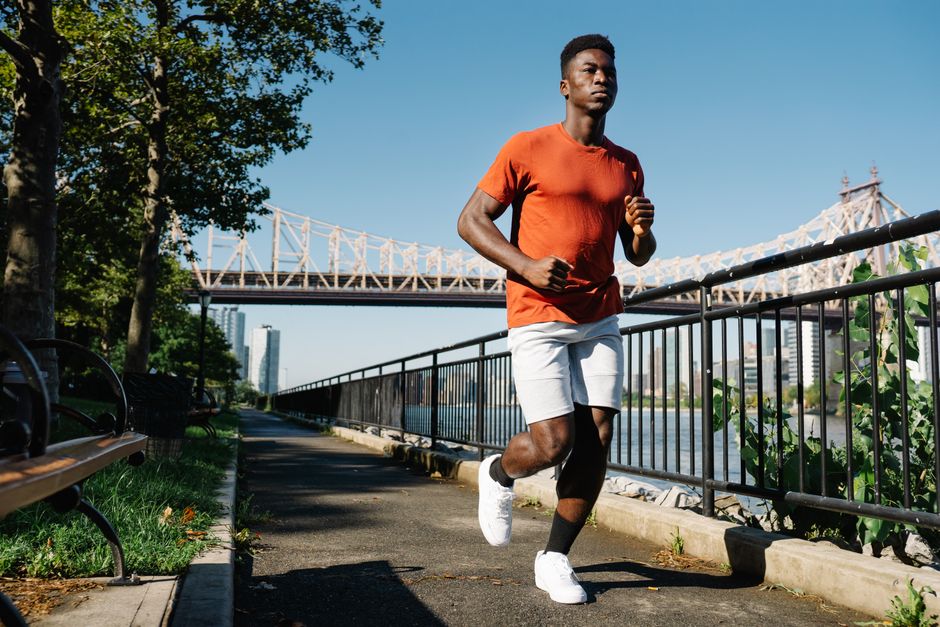
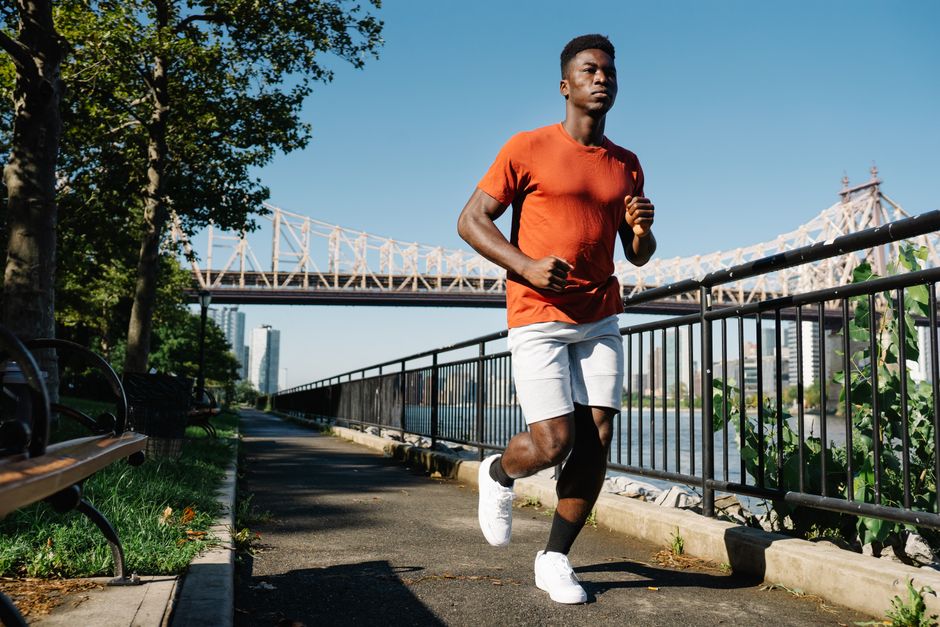
Sleep optimization has become a cornerstone of global wellness culture—from Scandinavian sleep-hygiene retreats to Tokyo's capsule nap pods and Dubai's sleep clinics charging upward of $5,000 for consultations. Yet in New York, a city that has built its identity around relentless productivity, the sleep wellness movement remains fragmented and underfunded, even as local health professionals warn that the oversight is costly.
The contrast is striking. While European wellness centers integrate sleep science into daily programming, New York's boutique fitness landscape—dominated by SoulCycle studios, Peloton concepts, and high-intensity interval training across Manhattan—still treats rest as an afterthought. A 2025 survey by the American Sleep Association found that 35 percent of New York adults report insufficient sleep, compared to a 28 percent national average. Yet dedicated sleep wellness spaces remain sparse outside major hospital networks like NYU Langone and Mount Sinai.
Local adoption is beginning to shift, however, particularly in younger, affluent neighborhoods. Brooklyn's Park Slope and Manhattan's Upper West Side have seen a quiet proliferation of sleep-focused wellness offerings—from meditation studios on Prospect Park West offering sleep-specific classes to sleep consultation services now available through boutique practices on the Upper East Side. The Oura Ring and Eight Sleep mattress, both premium sleep-tracking technologies, have found particular traction among Brooklyn's tech-adjacent wellness crowd, where a smart mattress can run $3,000 to $5,000.
But accessibility remains a barrier. While global wellness trends emphasize sleep as a public health priority, New York's approach remains largely privatized and expensive. Community-based sleep education programs lag behind European models, and the city's 24-hour culture—from all-night diners in Midtown to late-night subway schedules—continues to work against cultural shift toward prioritizing rest.
What's changing locally is the narrative. Where New York once celebrated the sleepless grind, conversations around recovery are gaining legitimacy. Fitness influencers and wellness practitioners across Manhattan increasingly frame rest days not as laziness but as essential recovery architecture. The city's running culture in Central Park and cycling community along Hudson River Greenway are beginning to echo global trends emphasizing periodization and rest weeks, though implementation remains inconsistent.
The gap between global sleep wellness movements and New York's current reality suggests opportunity. As the city matures its wellness infrastructure, sleep science—long relegated to clinical settings—may finally claim its place alongside the boutique fitness empire that already dominates the neighborhood. For now, New York remains caught between its old identity and an emerging one: the city that runs marathons but still hasn't learned to properly rest.
This article was compiled by AI from the sources linked above and screened before publishing. See our editorial standards.
How does this story make you feel?
Spread the word
About this article
Published by The Daily New York
Daily brief
Free, in your inbox before 7am. Weekdays.
More in Wellness