How New Yorkers are staying ahead of illness with simple daily routines
From blood pressure checks at the pharmacy to morning runs in Central Park, locals share the unglamorous habits that catch health problems early.
From blood pressure checks at the pharmacy to morning runs in Central Park, locals share the unglamorous habits that catch health problems early.
When Dr. Rachel Chen moved her practice to the Upper West Side five years ago, she noticed something consistent among her healthiest patients: they weren't waiting for annual appointments. They were building prevention into their daily lives.
"The shift I've seen is that New Yorkers are treating preventive care like they treat their commute," Chen explained. "It's habitual, not aspirational."
Start with the obvious. The Protected bike lanes stretching along the Hudson River Greenway and expanding East Side routes have made morning cycling a genuine lifestyle anchor for thousands of commuters who simultaneously log their aerobic activity. Local data from Citi Bike shows over 150,000 daily trips in summer months—many users pedaling to work while their cardiovascular systems benefit from consistent moderate exercise, a cornerstone of preventive health.
But prevention extends beyond fitness. At pharmacies across Manhattan—including major CVS and Walgreens locations—free blood pressure screenings have become a Tuesday ritual for many. The American Heart Association identifies hypertension as the silent killer; catching elevated readings early costs nothing at neighborhood drugstores but can prevent strokes and heart disease. Several CVS locations in Midtown and Downtown Brooklyn now offer expanded screening services, and locals are adapting their coffee runs to include a two-minute check.
In neighborhoods like Park Slope and the East Village, community health centers affiliated with NYU and Mount Sinai have launched preventive screening programs with sliding-scale fees. Women over 40 scheduling mammograms at facilities like the Breast Cancer Screening Center at Sloan Kettering; colonoscopies becoming normalized conversations at dinner tables rather than taboo topics.
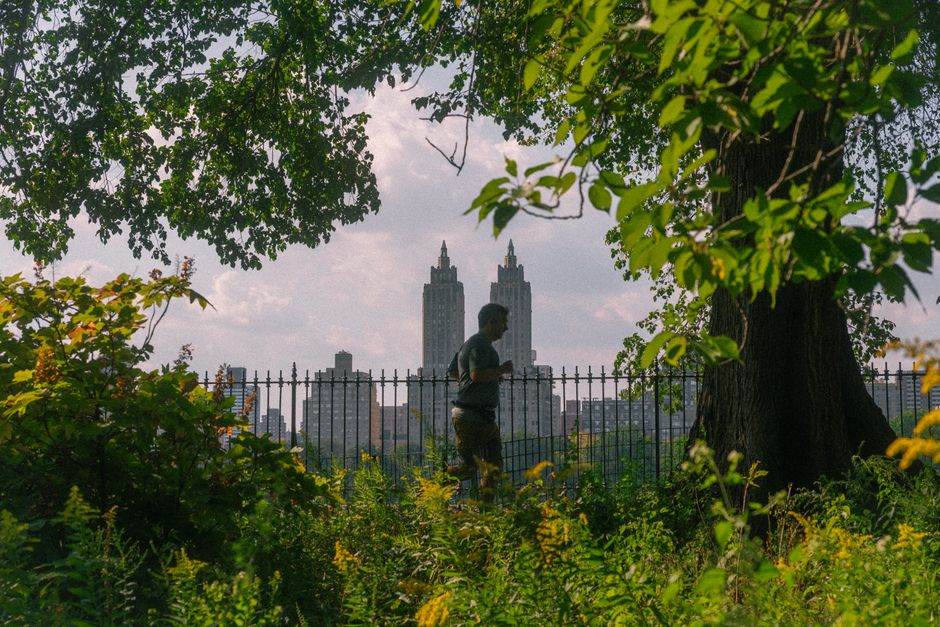
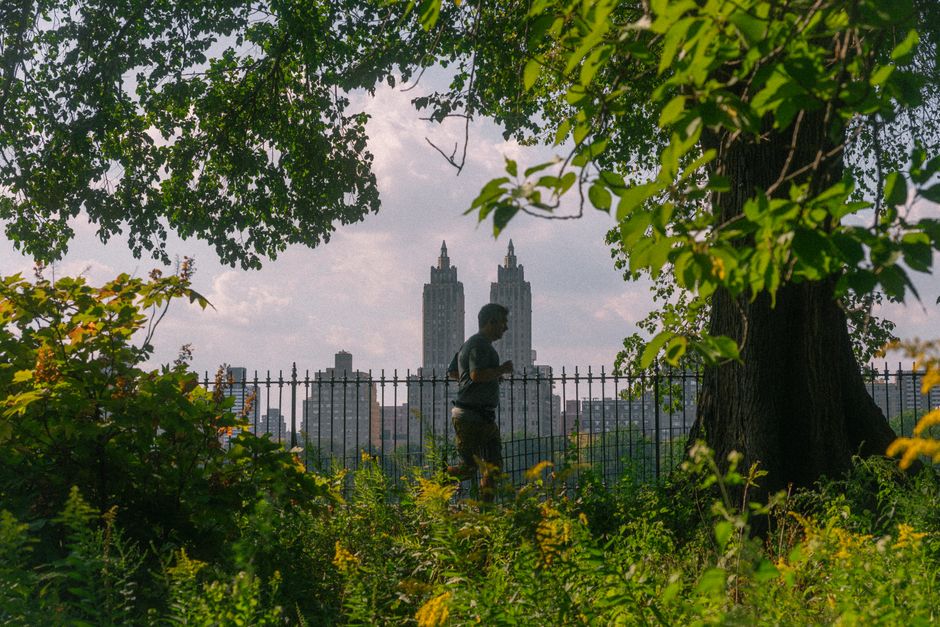
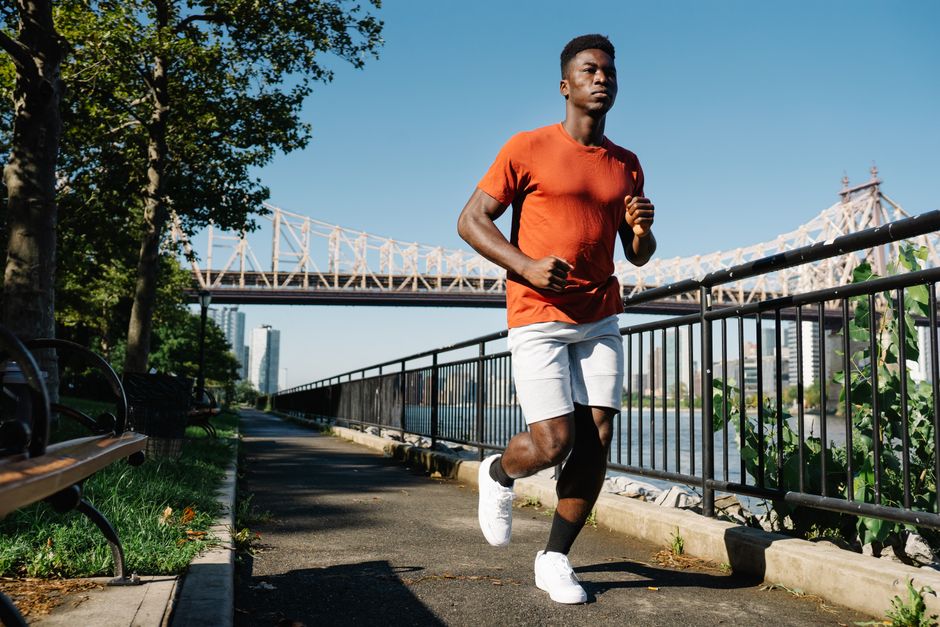
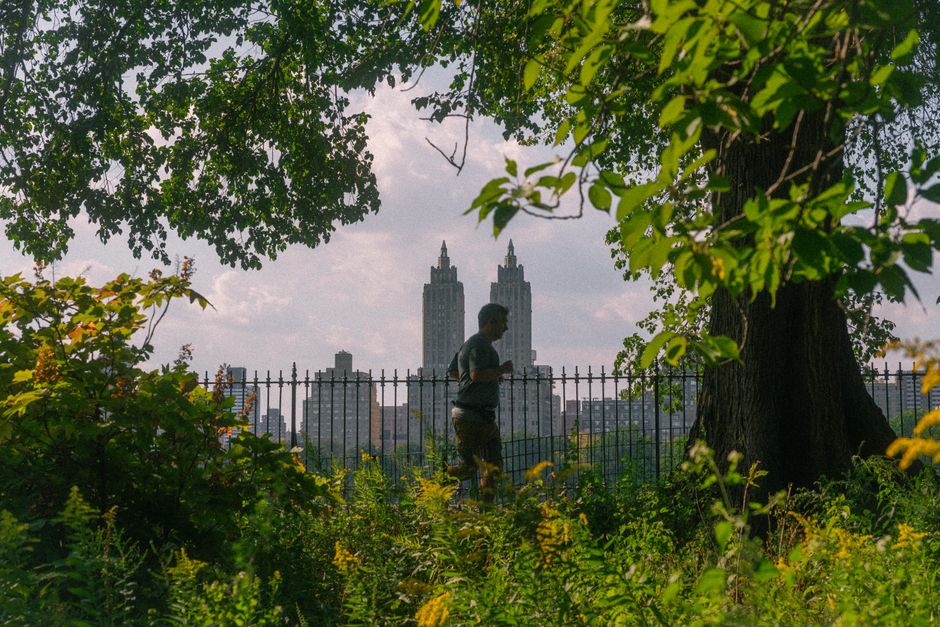
The morning joggers pounding the Central Park loop aren't just running for endorphins. They're establishing the daily movement habit that studies show reduces cancer risk, strengthens bone density, and improves metabolic markers—often catching metabolic syndrome before it becomes Type 2 diabetes.
Perhaps most tellingly, locals are tracking. Apple Watch wearers, Oura Ring users, and simple paper food logs have normalized self-monitoring. Weight fluctuations, sleep patterns, resting heart rate—these early warning signals are now visible to people before they reach doctor's offices.
The common thread: successful prevention isn't about expensive testing or boutique wellness culture. It's about embedding small, repeatable actions into existing routines. A pharmacy visit. A park run. A conversation about family history. A screening scheduled without delay.
Consult your healthcare provider about personalized preventive screening schedules.
This article was compiled by AI from the sources linked above and screened before publishing. See our editorial standards.
How does this story make you feel?
Spread the word
About this article
Published by The Daily New York
Daily brief
Free, in your inbox before 7am. Weekdays.
More in Wellness